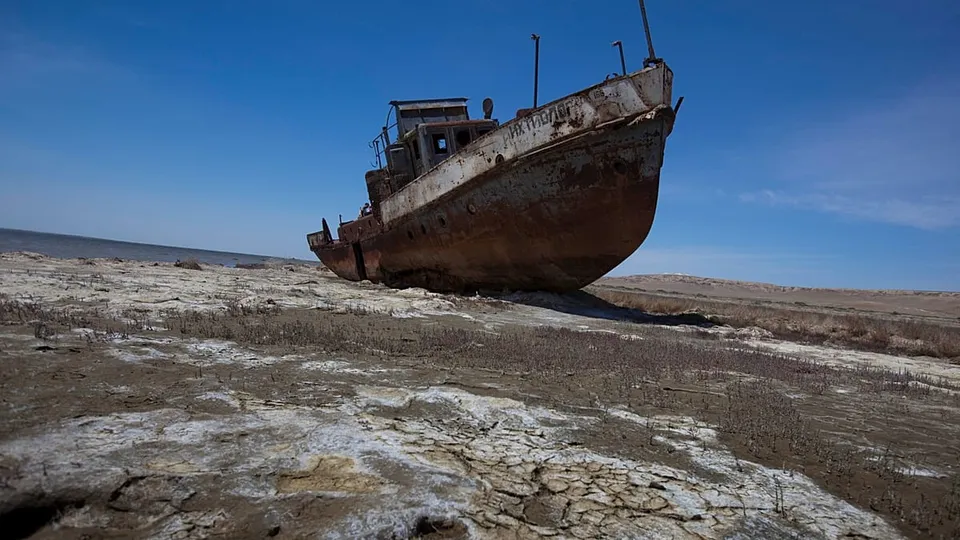
The North Aral Sea, once a symbol of environmental disaster, is experiencing a remarkable comeback. Decades of diversion for irrigation had reduced the lake to a fraction of its former size, splitting into four highly saline bodies.
Kazakhstan has prioritized water management and Aral Sea restoration. President Kassym-Jomart Tokayev highlighted that systematic efforts over 20 years have increased the North Aral's surface area by 36 percent, nearly doubled its water volume, and halved salinity. The country has established a dedicated ministry for Water Resources and Irrigation and adopted new water usage laws.
Recent reports indicate the Northern Aral Sea now holds 24.1 billion cubic meters of water, with 5 billion cubic meters directed into the sea between 2023 and present. World Bank data shows water levels are 50 percent higher than at their lowest point.
Minister of Water Resources and Irrigation Nurzhan Nurzhigitov stated that key restoration targets are being met ahead of schedule. Projects under consideration include raising the Kokaral Dam and constructing hydraulic complexes to stabilize water levels in associated lake systems. These efforts aim to improve water volume and quality, restore the Syr Darya River delta, and boost the local fishing industry.
Life is returning to the North Aral Sea, with 20 fish species reappearing. The region now boasts 10 fish processing plants, with significant exports to various countries. However, recovery is limited to the North Aral; the South Aral in Uzbekistan and other parts of the Aral Sea remain critically endangered. The ultimate threat remains global warming, which is shrinking the glaciers feeding the rivers that supply the Aral Sea.