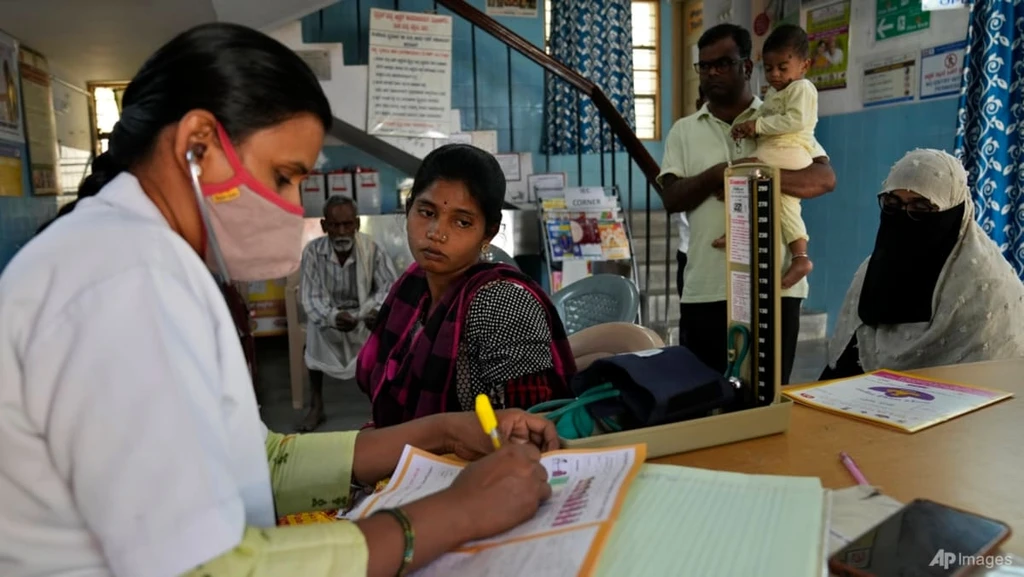
India, the world's largest trainer of nurses with nearly 400,000 graduates each year, faces a significant exodus of its nursing talent. Driven by substantially higher wages and better working conditions overseas, Indian nurses are increasingly seeking employment in countries like the United States, Europe, and Gulf nations, where salaries can be up to ten times higher than in India.
While private sector nurses in India earn between US$200 and US$600 monthly, overseas positions offer a far more lucrative career path. This migration is exacerbated by limited vacancies in India's competitive government nursing sector and a perception of lower professional regard compared to doctors.
The global healthcare system relies heavily on migrant nurses, with approximately one in seven nurses working outside their birth country. This trend, accelerated by the COVID-19 pandemic, projects a global shortage of about 4 million nurses by 2030, a gap that India's vast nursing pool is positioned to help fill, albeit through its professionals moving abroad.
Kerala, a southern state in India, has been a long-standing hub for nurse migration, with half a million of its nurses already working overseas. Initiatives like the "Triple Win" program with Germany aim to create a mutually beneficial scenario, providing talent for the hiring country, better earnings for nurses, and remittances for the home state. However, critics argue this institutionalizes brain drain, especially as India's nurse-to-patient ratio remains below WHO benchmarks.

Despite the outward flow, there are efforts to encourage reverse migration and specialized training. While some nurses express a desire to serve their home country, the economic realities and global demand for skilled nursing professionals continue to shape the future of healthcare staffing both in India and worldwide.