Demand for medical imaging is soaring, straining healthcare systems globally. While workforce growth lags behind service needs, a critical bottleneck in training diagnostic radiography students is the availability of clinical placements. Higher education institutions are exploring alternatives, with clinical simulation emerging as a significant area of interest, driven by technological advancements and the need for training solutions during events like the COVID-19 pandemic.
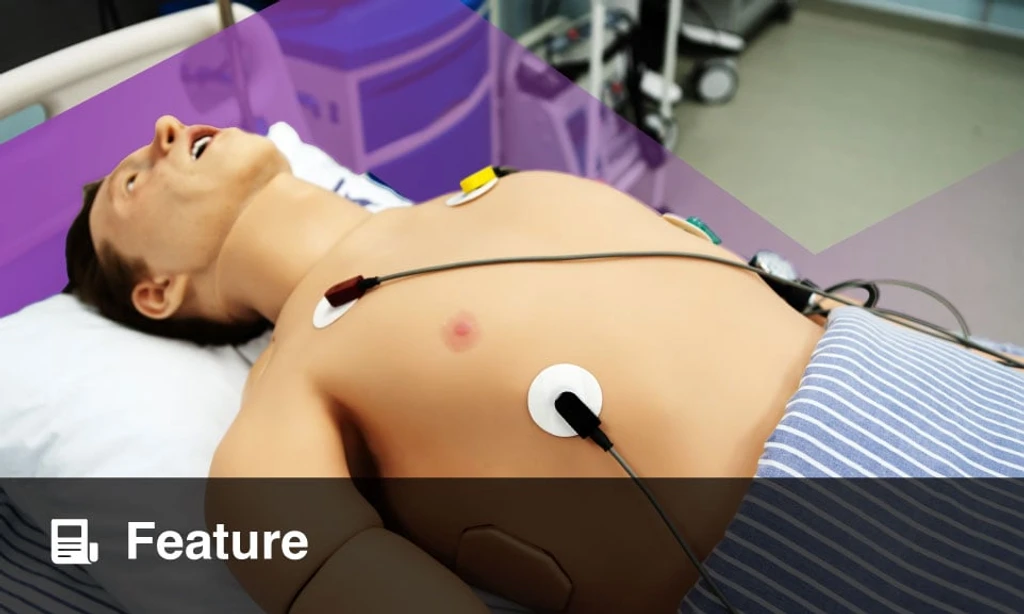
Simulation in radiography offers a diverse range of tools, from part-task trainers to virtual reality and haptic systems. These technologies aim to imitate real patients, anatomical regions, or clinical tasks, providing varied learning experiences. The integration of simulation into curricula is influenced by budgets, simulator quality, institutional culture, and regulatory guidelines. While some jurisdictions have permitted significant hours of simulated practice, others have more restricted recommendations. The Society and College of Radiographers (SCoR) in the UK, for instance, has proposed 120 hours of simulation for pre-registration curricula.
The European Federation of Radiographer Societies (EFRS) has highlighted challenges in simulation, including the need for efficacy evidence in competency assessments and educator training. Despite these hurdles, simulation's role is evolving. In Ireland, the State regulator CORU has reduced formal clinical placement hours, reflecting a broader trend. Institutions are increasingly advertising training as a composite of clinical departments, university simulation suites, and other pedagogical approaches.
While the exact capacity expansion simulation can provide remains unknown, some institutions report increased student intake due to its integration. Studies outside radiography show simulation can improve clinical skills. In aviation, simulators train for rare scenarios, and in healthcare, virtual reality is used in surgical training, while anaesthesia and nursing education have long utilized simulation. A Delphi study suggested that 11-30% of clinical training time could be replaced by simulated placements, though not a complete substitute.
Public perception generally favors simulation, particularly high-fidelity models, though many view it as supplementary. Patients are often more accepting of procedures performed by students who have trained on simulators. As simulation technology advances and guidance from professional bodies grows, its role in diagnostic radiography is likely to expand, offering a vital educational tool alongside traditional clinical experience to meet rising healthcare demands.