
Telegram has formally challenged the Indian government’s decision to temporarily ban the messaging platform in the Delhi High Court. The legal action follows officials blocking access to the app over concerns it was used to distribute leaked papers for the National Eligibility-cum-Entrance Test (NEET). Telegram CEO Pavel Durov condemned the ban as a strategic error, asserting it penalizes millions of legitimate users while failing to disrupt organized cheating rackets that have likely migrated to other encrypted platforms.
The National Testing Agency defended the restriction as a necessary measure against fraud, citing the organized use of Telegram by cheating syndicates. However, the Central Bureau of Investigation continues to probe the leak, with over a dozen arrests made so far. The controversy triggered nationwide protests and forced the cancellation of the initial exam, prompting authorities to schedule a retest where Air Force aircraft will transport question papers to ensure security.
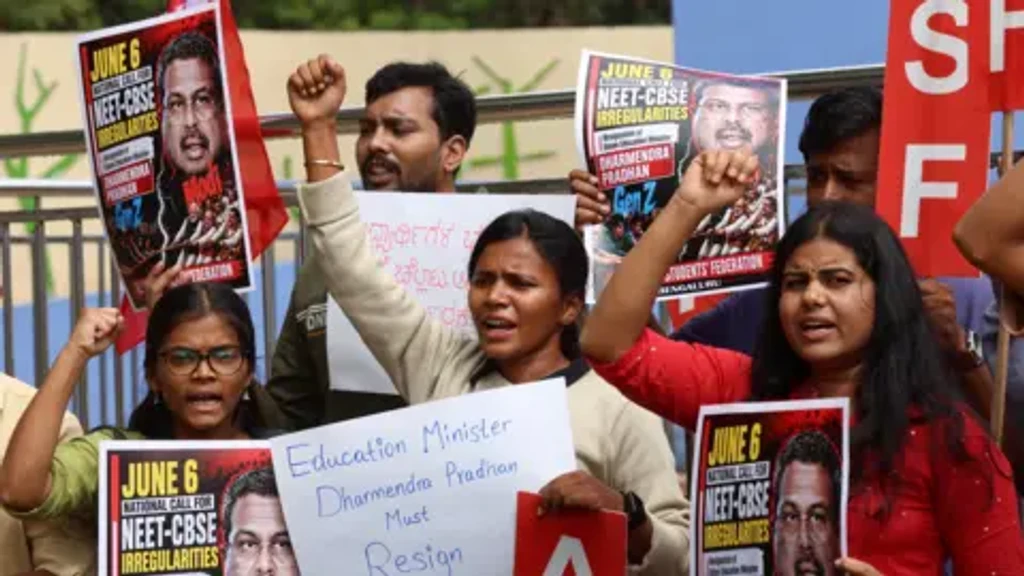
This marks the first time India has blocked a major messaging platform under IT sovereignty provisions. With over 150 million active users, Telegram serves as a critical infrastructure for education and business in the region. Critics argue the ban is disproportionate and ineffective, noting that similar illicit activities occur on WhatsApp and Discord without facing nationwide blocks. Opposition leaders have demanded accountability from the Education Ministry, while students remain divided between supporting anti-cheat measures and condemning the loss of essential free study resources.