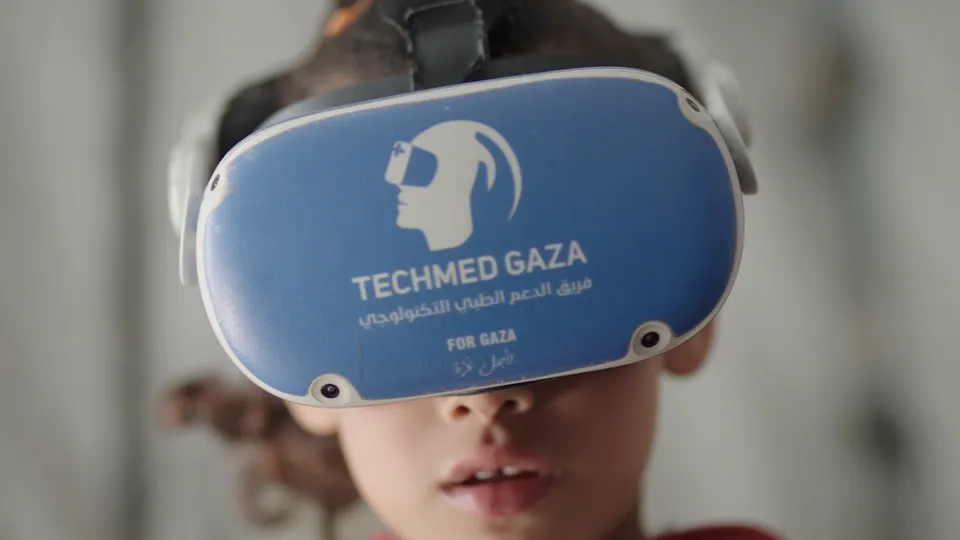
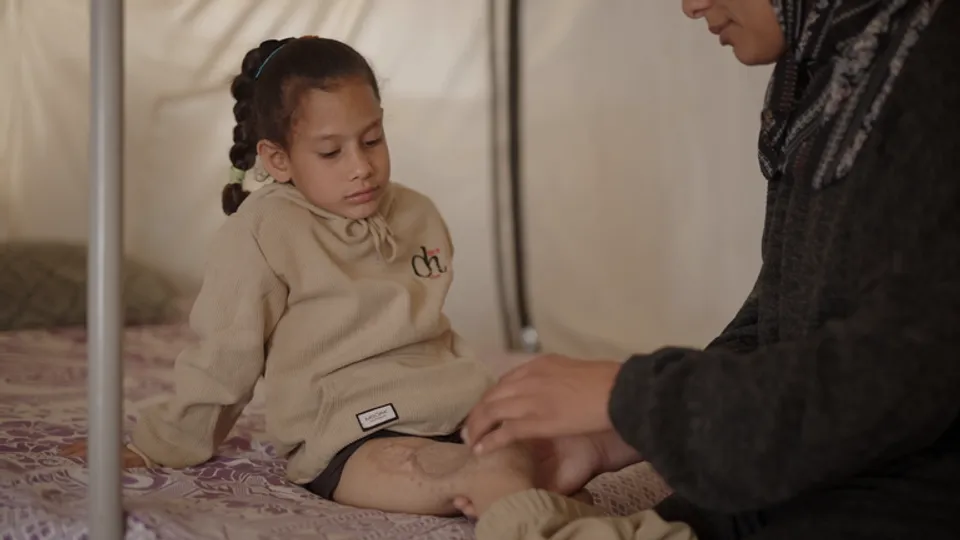
In a cramped office in Gaza City, children are finding refuge through virtual reality. Seven-year-old Razan, recovering from a severe leg injury sustained during an explosion, uses a VR headset for therapy. The immersive technology allows her to interact with virtual environments, a stark contrast to the harsh realities of her life. Doctors advised Razan's family that proper treatment required leaving Gaza, a daunting prospect given the war's impact on medical facilities.
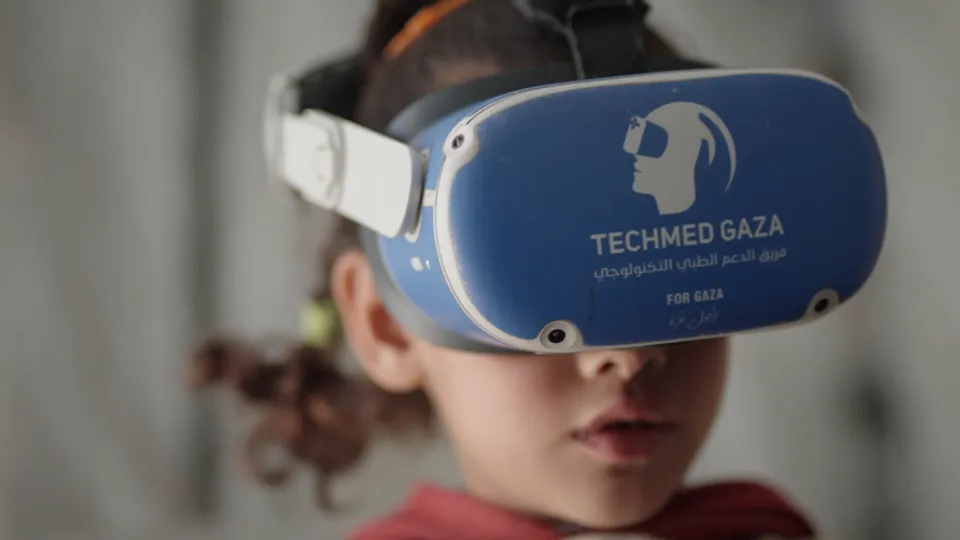
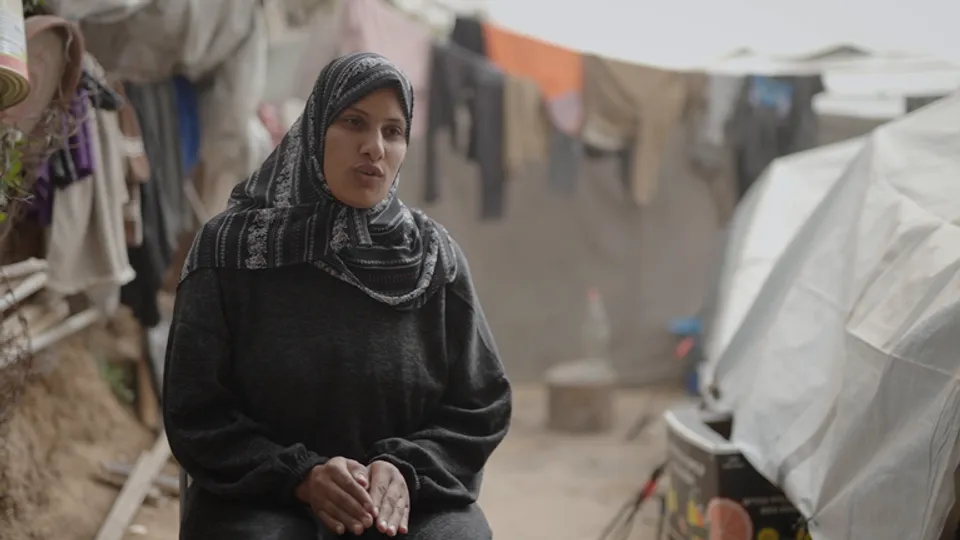
Razan's mother, Rana Abu Harbid, describes the deep trauma her daughter endured, including days without eating and persistent nightmares. While Razan's mental health is slowly improving, the progress is fragile.
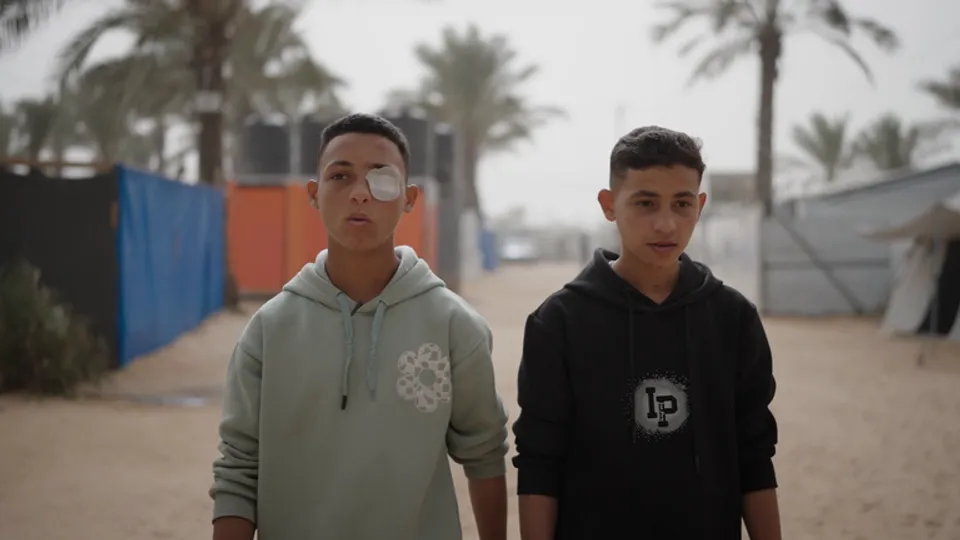
Brothers Ahmad, 17, and Amjad, 13, also utilize VR sessions. Both sustained injuries when their home was hit by an airstrike. Ahmad, blinded in one eye by shrapnel, finds the headset helps him cope with the war's pressure. Amjad, who was mistakenly presumed dead after the attack, uses VR to escape into natural settings.
Their mother, Nissma, recounted the harrowing experience of finding her sons amidst the rubble. Both boys still have shrapnel in their bodies, and Amjad requires surgery unavailable in Gaza. Accessing medical treatment abroad remains a significant challenge for most families.
The VR project, run by TechMed Gaza, has assisted around 180 children. Lama Abu Dalal, a staff member, notes that VR has helped children overcome psychological barriers, enabling some to walk for the first time. The program faces limitations due to a scarcity of headsets and the inability to import replacement parts, restricting its reach.
Despite the ongoing instability and conflict, these VR sessions provide children a temporary respite, allowing them to momentarily escape the devastation and find solace in virtual worlds before returning to the challenging reality of life in Gaza.