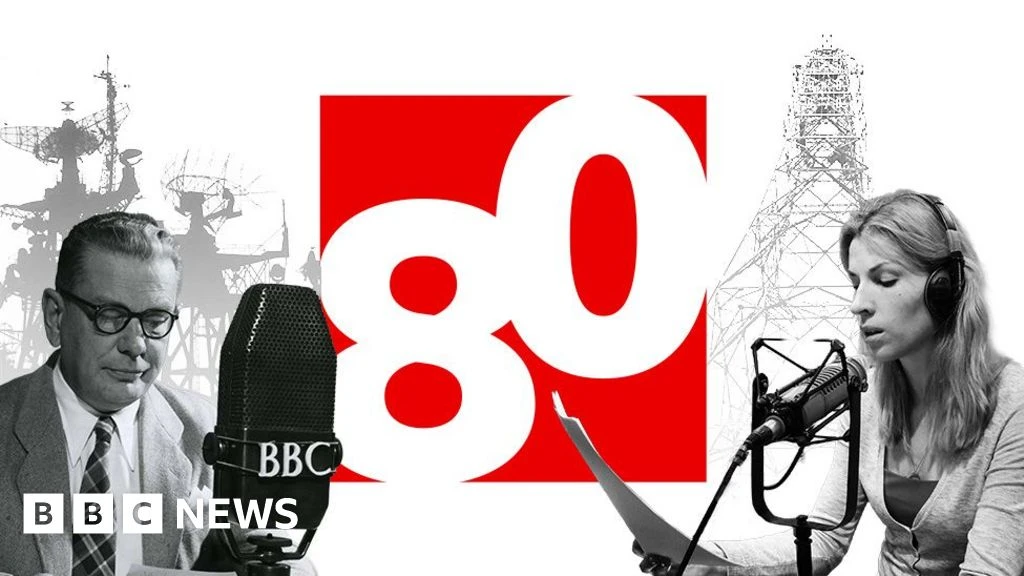
For 80 years, BBC Russian has battled state censorship-from Soviet-era radio jamming to modern internet blackouts-delivering uncensored news to audiences behind the Iron Curtain and now within Putin’s Russia.
The service launched its first regular Russian-language broadcast on March 24, 1946, offering an alternative to Soviet propaganda. By 1949, Moscow was jamming its signals. Listeners risked punishment to hear Western music, banned literature, and independent reporting-often trekking into remote areas with radios strapped to their chests.
During the Cold War, the BBC repeated its 90-minute bulletin three times weekly to outmaneuver jammers. In 1982, it briefly bypassed Soviet jamming after Leonid Brezhnev’s death by resuming transmission minutes after its scheduled sign-off.
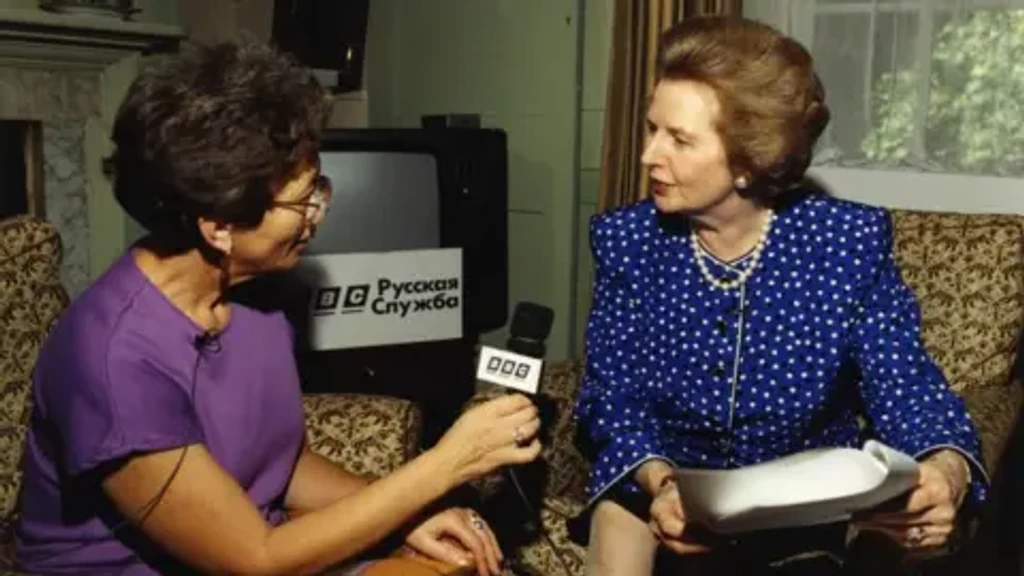
Glasnost brought relief: in 1987, jamming ceased, and BBC Russian opened its first Moscow bureau. By 1988, listeners across the USSR called in live during a Margaret Thatcher interview.
The digital era revived the struggle. After Russia’s full-scale invasion of Ukraine in February 2022, the Kremlin blocked the BBC’s website, branding it a purveyor of “false information.” Reporting the war as anything other than a “special military operation” became illegal.
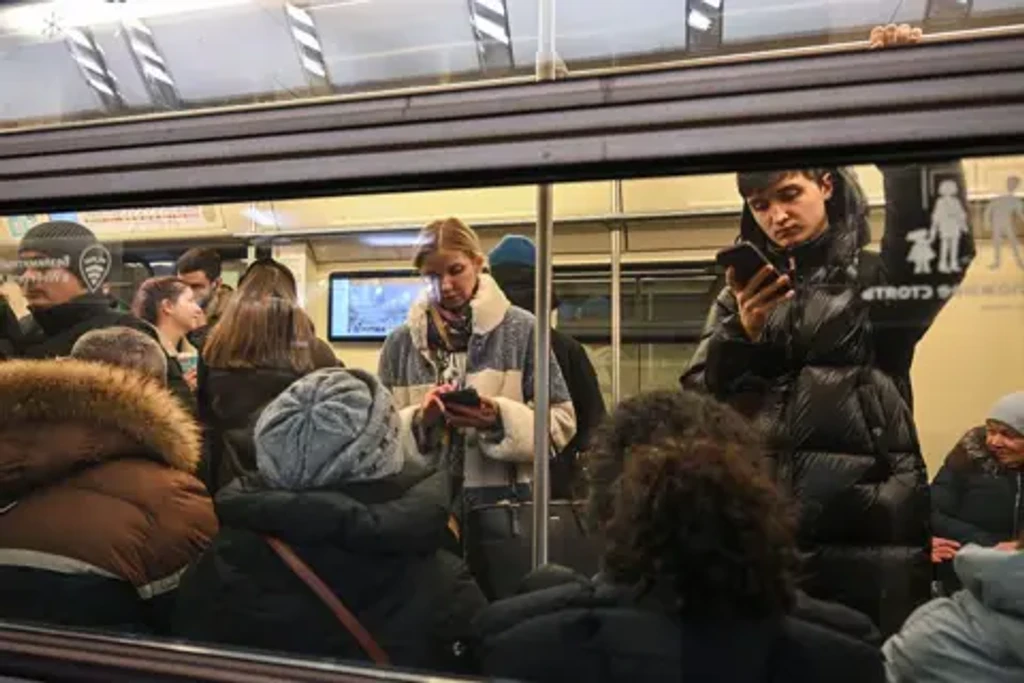
Most BBC Russian journalists fled to Riga, Latvia, to report safely. Eight have been labeled “foreign agents”-a designation echoing Stalinist repression. Despite VPN crackdowns and mobile internet shutdowns, weekly audience reach has grown to 12 million.
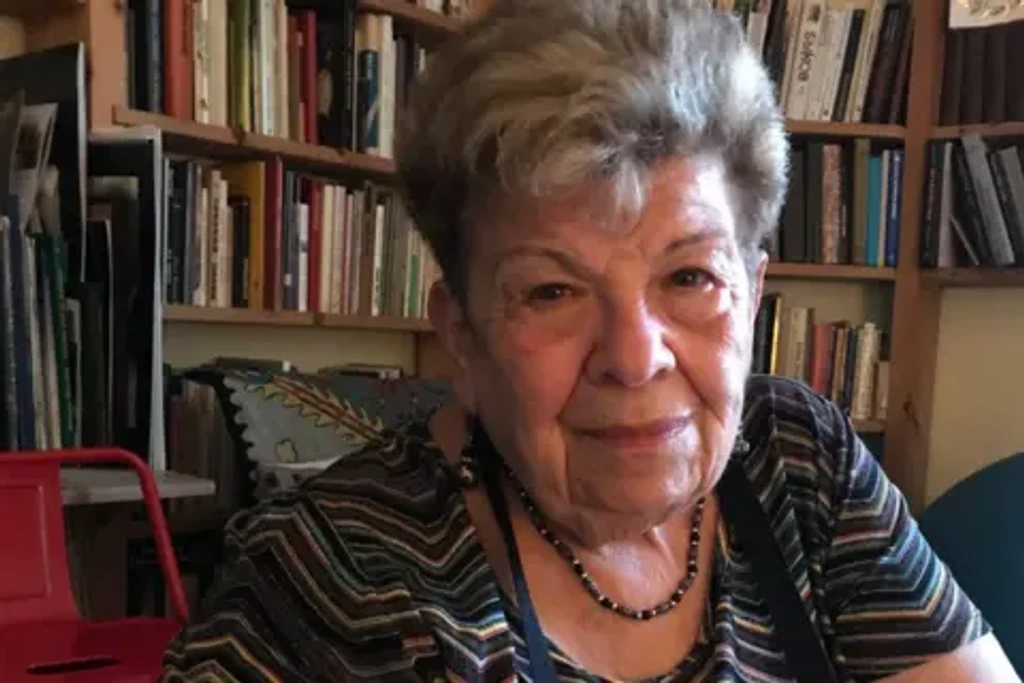
"A new generation of Russians are now having to fight to stay connected to the world," says Jenny Norton, head of BBC News Russian. With U.S. international broadcasting shrinking and independent Russian media under siege, the BBC’s role has never been more critical.