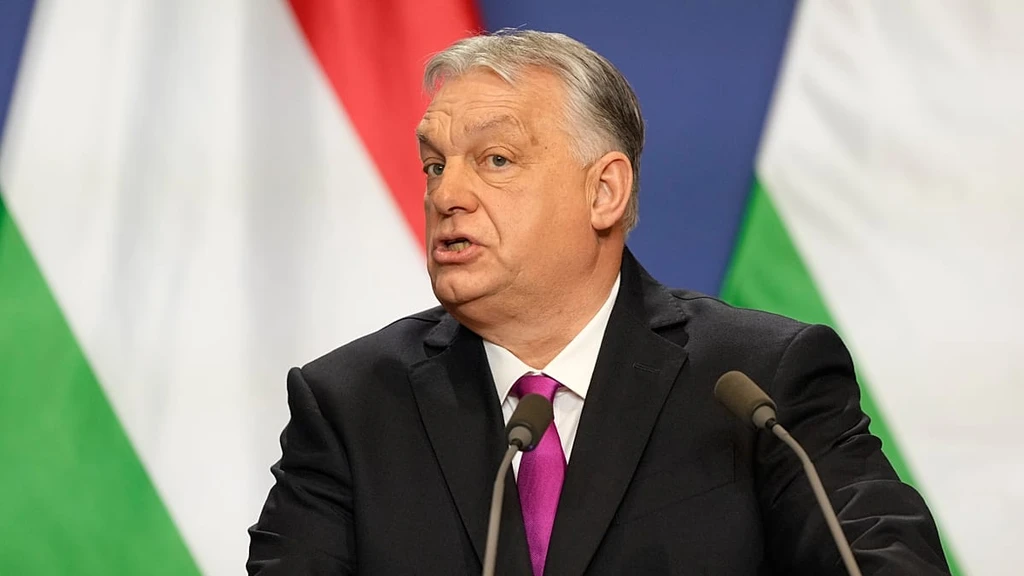
Hungary has raised its terror threat level, citing fears of retaliatory action following reports of strikes on Iranian targets. Prime Minister Viktor Orbán convened a national security meeting, stating, "We must expect an increase in the likelihood of terrorist acts throughout Europe, particularly in countries with large migrant populations."
The move coincides with ongoing tensions over the Druzhba pipeline, which was struck in a Russian air attack. Hungary and Slovakia accuse Ukraine of stalling repairs and using the disruption for political leverage, leading Budapest to block EU financial aid and sanctions against Russia.
Orbán reiterated calls for Ukraine to permit Russian oil transit to Hungary and Slovakia. He stated, "The conflict is likely to trigger a significant rise in energy prices on world markets. In this situation, it is crucial to end the oil blockade imposed by President Zelenskyy against Hungary."
Analysts suggest Orbán could leverage the escalating threat and energy security concerns to bolster domestic support and reposition himself as a national defender ahead of political campaigns. The developments could fundamentally impact Hungary's energy security and influence voter intentions.