
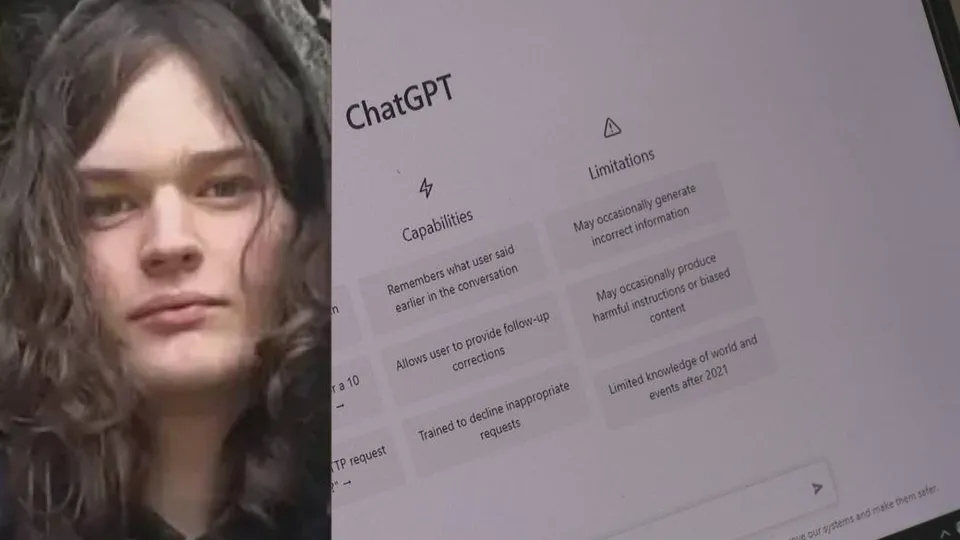
OpenAI's handling of information concerning the Tumbler Ridge shooter months before the tragedy is prompting discussions on regulating artificial intelligence companies in Canada. The company confirmed it banned an account in June 2025 for misusing its AI chatbot for violent activities, but did not notify police, deeming the threat not "imminent."
OpenAI eventually contacted the RCMP after the alleged shooter killed eight people and injured 25 on February 10, before taking her own life. Canada's Artificial Intelligence Minister has summoned OpenAI representatives to discuss safety practices, stating "all options are on the table" for AI chatbot oversight. Heritage Minister Marc Miller emphasized the need for legislation ensuring responsible platform behavior, though acknowledged the complexity and lack of easy answers.

Canadian privacy legislation allows companies to disclose personal information if they believe there's a risk of significant harm, but it is not mandated, leaving internal thresholds like OpenAI's "imminent" threat policy in play. Experts express concern over AI developers self-regulating safety frameworks, especially as users increasingly turn to AI for sensitive discussions.
The situation unfolds amid multiple lawsuits in the U.S. accusing AI platforms of contributing to suicides and self-harm. OpenAI denies these allegations, citing its safety evaluations. Reports indicate company employees raised concerns about the shooter's posts involving gun violence, but the company opted not to alert authorities last summer.
Canada's privacy commissioner noted difficulties in investigating tech companies without a local business presence. Experts suggest a trend of deprioritized internal safety regulation in the tech industry, potentially allowing companies to avoid responsibility by claiming ignorance. Investigations are underway into other AI chatbots for spreading harmful content, with critics arguing these probes stifle free speech.
Privacy lawyers highlight the challenge of balancing individual privacy with the duty to warn of potential threats, emphasizing the critical nature of the "imminent" threshold. A desire for transparency regarding companies' reasoning for not contacting law enforcement is strong, alongside a need for data on individuals flagged for threats and any real-world follow-up.

Suggestions for Canadian regulation include modeling after California's law requiring large AI companies to report potentially catastrophic activities, though defining such risks remains a point of discussion. Calls for external oversight over AI activities are growing, advocating against allowing AI developers to be their own judges of safety.