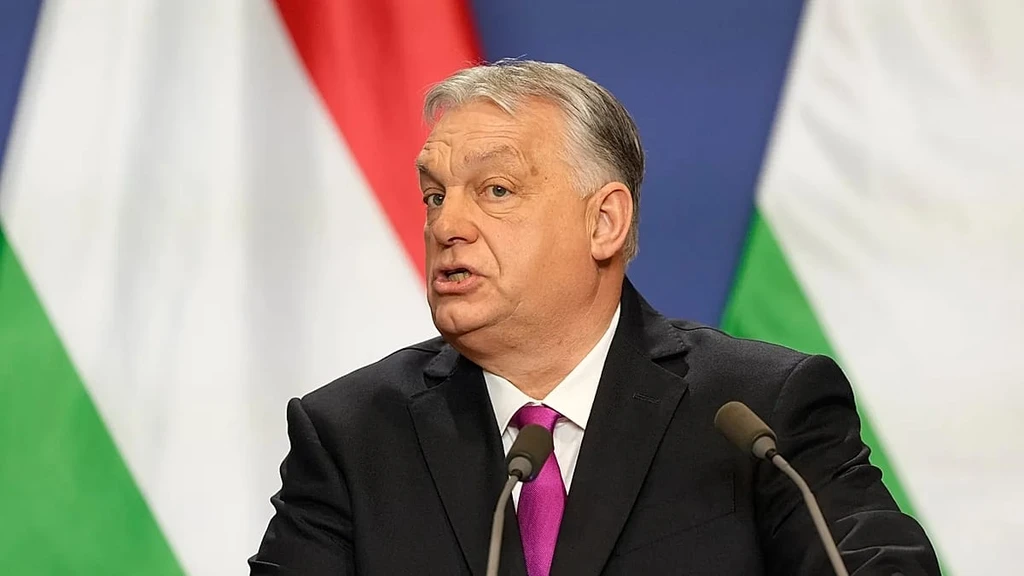
Hungarian Prime Minister Viktor Orbán has ordered tighter border controls for foreign nationals following US-Israeli strikes on Iran, integrating security concerns into his election campaign.
Orbán asserts that the Middle East conflict risks Hungary's energy prices and national security, a narrative analysts suggest could benefit him electorally.
Simultaneously, Orbán is engaged in a dispute with Ukraine over the Druzhba pipeline, a vital energy artery damaged in late January and unrepaired.
Hungary faces a parliamentary election on April 12, with the opposition Tisza party currently polling ahead of Orbán's Fidesz party. Orbán has held a parliamentary majority since 2010.
Péter Magyar, Orbán's main challenger, is campaigning on cost of living and inflation issues.
Orbán raised the country's terror alert and ordered border checks after convening his security cabinet, citing concerns about terrorist organizations in Western Europe activating cells across the continent.
Soldiers and police have also been deployed to protect Hungary's key energy infrastructure amid fears of an attack from Ukraine.
Political analyst Bulcsú Hunyadi noted that the Iran conflict deepens uncertainty, aligning with Orbán's narrative of government-provided security and the importance of Russian oil imports.
Hungary is currently blocking an EU loan package to Ukraine over the Druzhba pipeline dispute, with Budapest accusing Kyiv of political blackmail and Ukraine demanding a ceasefire with Russia for repairs.
Dániel Hegedűs of the Institute for European Politics in Berlin suggested the Druzhba issue could also favor Orbán, as it highlights threats to Hungary's energy security and the potential need for Ukraine to resume transfers.
However, an ongoing European energy crisis could negatively impact the government if prices remain high, potentially benefiting Magyar's campaign focus on inflation. Analysts warn that failing to deliver on promises of protection could turn voters against the government.
The messaging around former US President Donald Trump's image as a peacemaker versus the current military campaign in the Middle East could create cognitive dissonance, though the opposition Tisza party has largely focused on domestic issues.