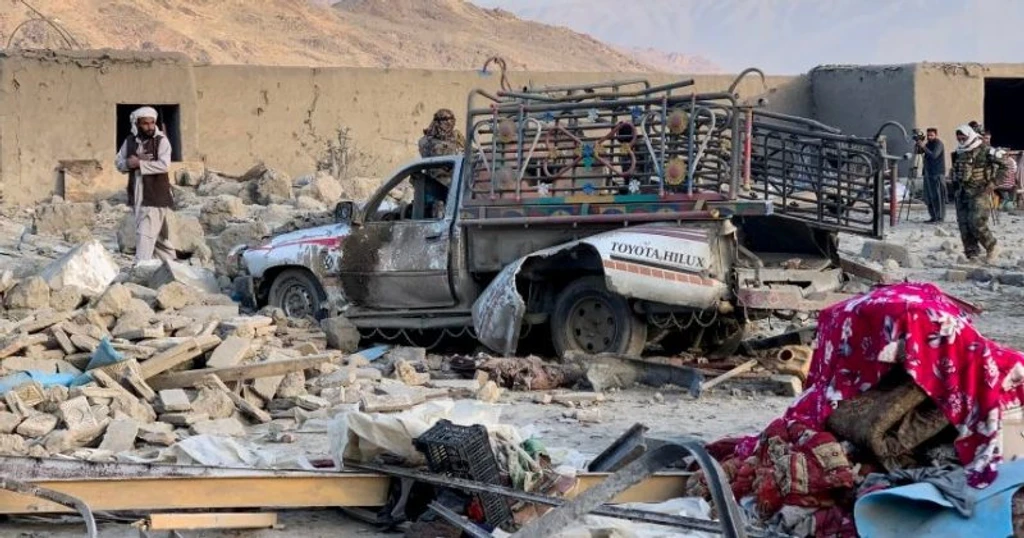
On June 10, 2026, Pakistan launched air strikes across three Afghan provinces: Khost, Kunar, and Paktika. This marks a significant escalation in months of simmering conflict between the two neighbors.
Casualty reports remain deeply contested. The Afghan Taliban stated that at least 13 people were killed, including 11 children, one woman, and one elderly man, describing the attacks as strikes on residential areas. Conversely, Pakistan’s military reported killing 26 militants linked to the Tehrik-i-Taliban Pakistan (TTP) across seven camps.
This violence follows earlier strikes in late February 2026, which prompted the Taliban to declare a state of open war. Pakistan subsequently initiated Operation Ghazab lil Haq, aiming to root out TTP fighters allegedly using Afghan territory as a staging ground for cross-border attacks.
The conflict has evolved from isolated border skirmishes into an active military engagement between a recognized state and a de facto government. While crypto markets have shown no immediate reaction, the sustained campaign adds fiscal strain to Pakistan’s economy, which is already navigating IMF bailout conditions and currency instability. Tighter formal channels could drive increased reliance on alternative financial rails in the region.