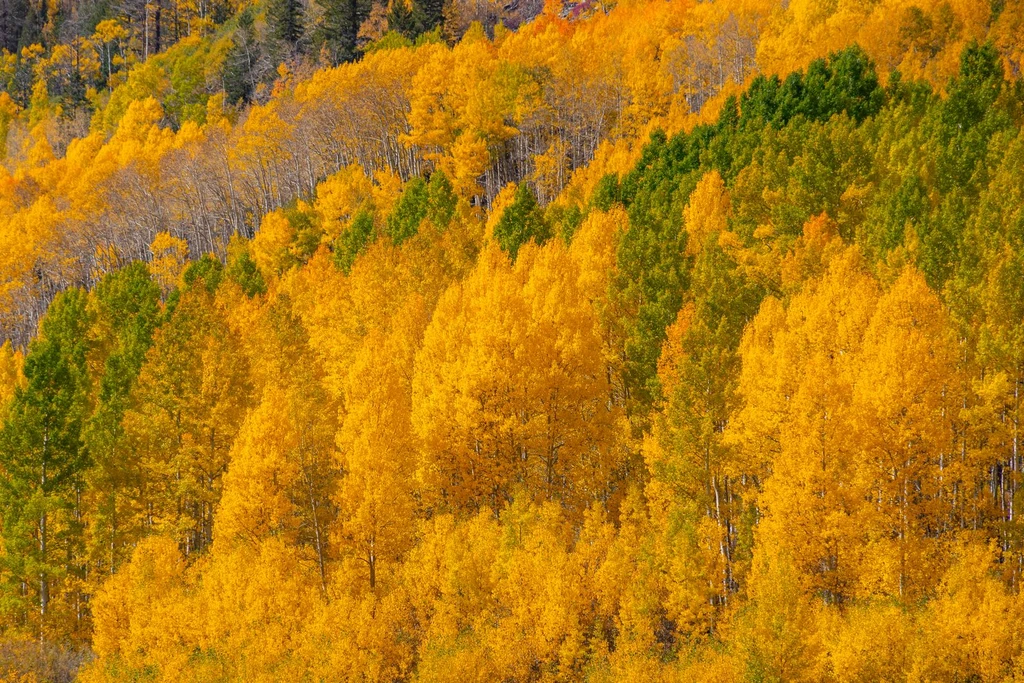
Deep in south-central Utah's Fishlake National Forest lies Pando, a single quaking aspen organism spanning 106 acres and weighing 6,000 tons. Estimated at up to 14,000 years old, this clonal colony of 47,000 genetically identical trunks is now being killed by mule deer browsing its young shoots.
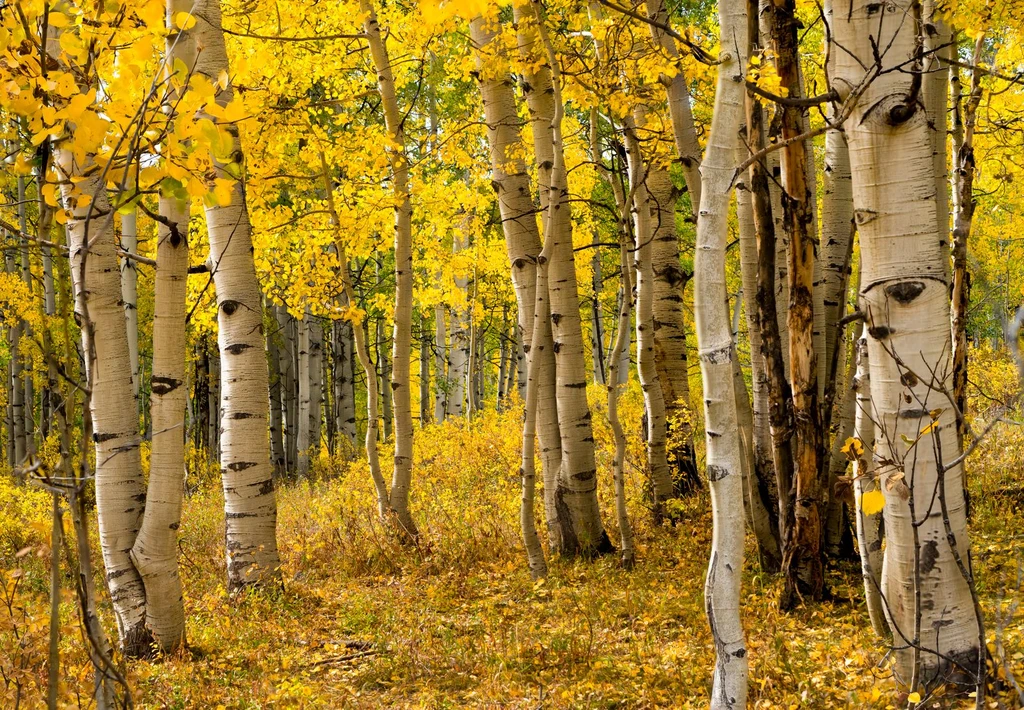
Each trunk is a ramet, all connected by a shared root system. While individual stems live about 130 years, the organism has survived since the last ice age by sending up new suckers. But now, overbrowsing by mule deer-due to the absence of predators like wolves-is preventing regeneration.
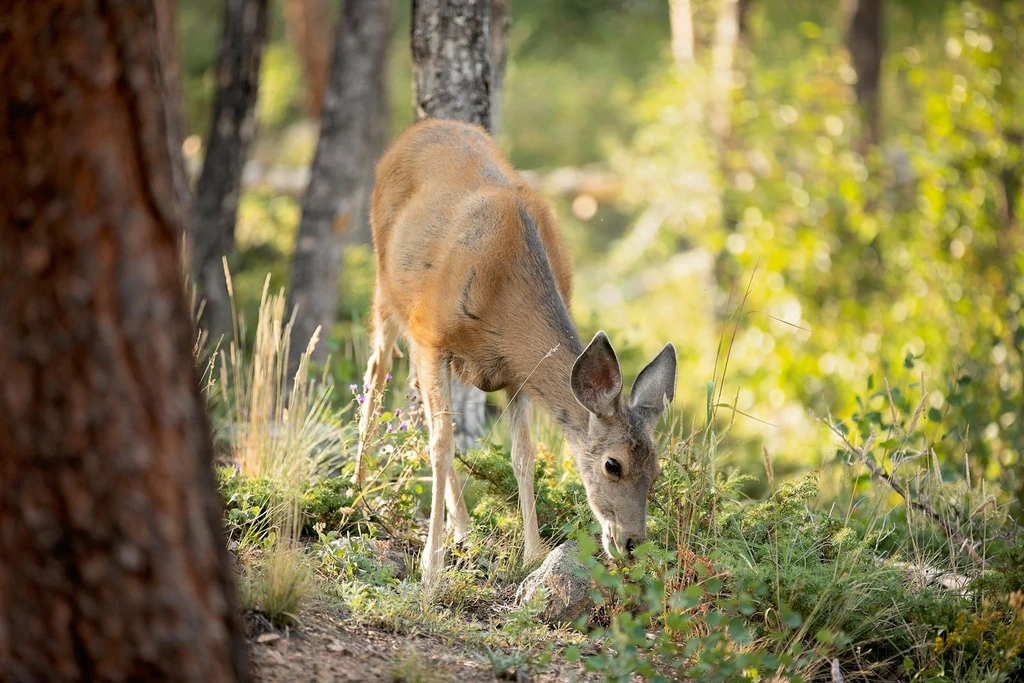
Fenced areas show the stark contrast: inside, thickets of young aspens thrive; outside, cropped stubs litter the ground. Despite management efforts like culling deer and prescribed burns, recruitment has not been restored across the entire colony. The crisis highlights a global pattern: when large predators are removed, mid-sized herbivores suppress forest regeneration. Without intervention, Pando's visible forest may die off, leaving only its patient root system underground.