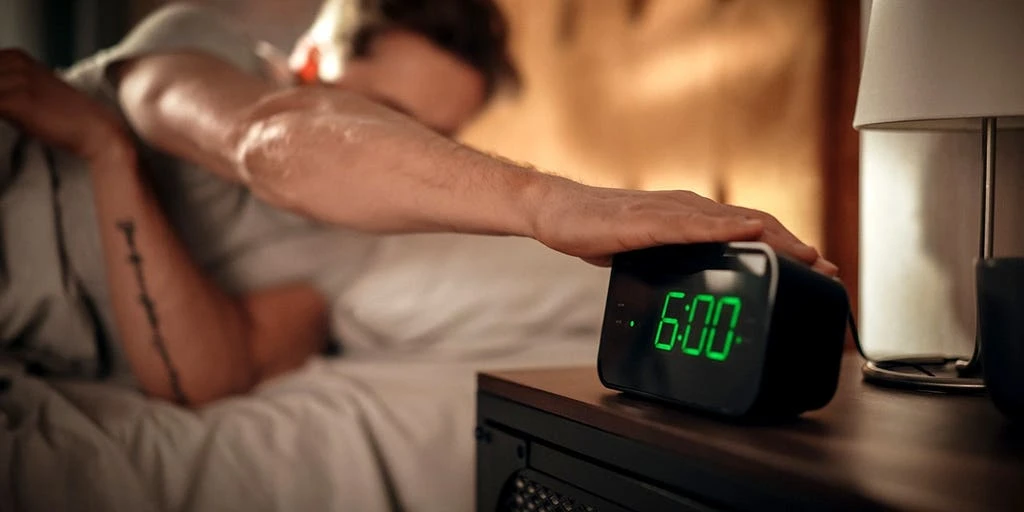
The Trump administration is advancing legislation to make daylight saving time (DST) permanent, ending biannual clock changes. However, sleep experts warn this move could have serious health consequences.
Dr. Wendy Troxel, a clinical psychologist and senior behavioral scientist at RAND, told Fox News Digital that while ending clock changes is widely supported, adopting permanent DST goes against scientific evidence. She stated, "Standard time is more closely aligned with human circadian biology."
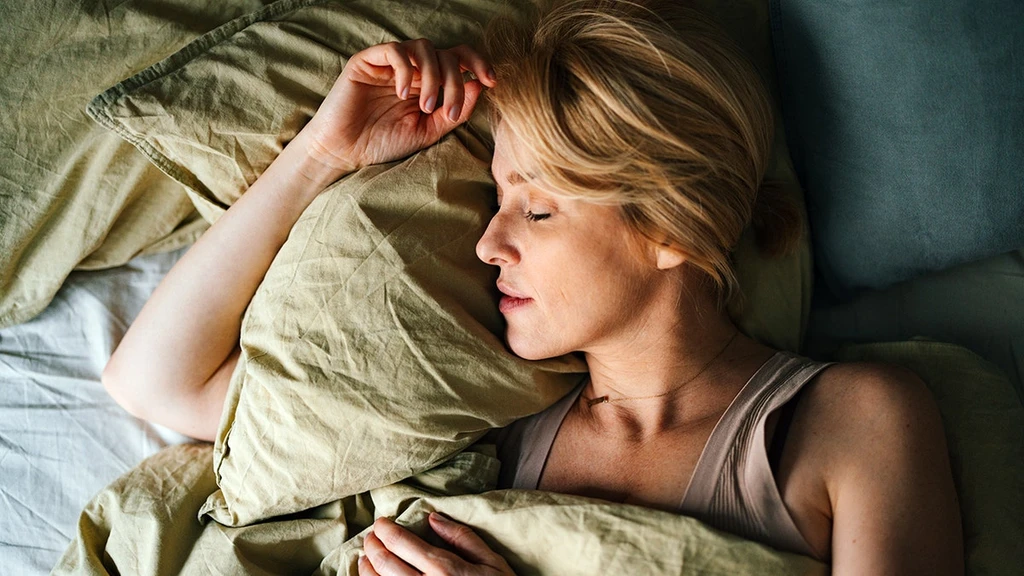
"Permanent DST shifts morning sunlight to the evening, disrupting the body's internal clock," Troxel explained. Major sleep organizations, including the American Academy of Sleep Medicine, support permanent standard time instead.
The U.S. tried permanent DST in the 1970s but repealed it within a year due to public discontent over dark mornings and increased car crashes.
Morning light is critical for regulating sleep and mood. Under permanent DST, many would wake in darkness, causing "chronic misalignment" with natural rhythms. Teens, already in a mental health crisis, are particularly vulnerable.
"More evening light may feel enjoyable, but permanent DST does not mean permanent summer," Troxel warned. The trade-off could worsen sleep deprivation and health outcomes.