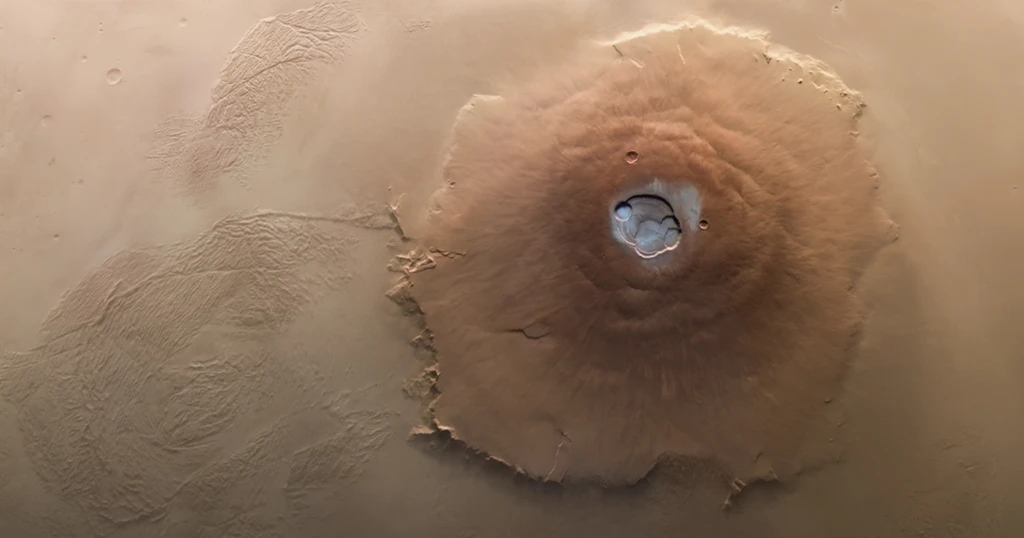
Olympus Mons on Mars rises approximately 22 kilometers above the surrounding plains, roughly three times the height of Mount Everest. It covers an area comparable to the state of Arizona. Yet, its slopes average between 2 and 5 degrees, gentler than most wheelchair ramps. An astronaut on its flanks would not realize they were on a mountain at all.
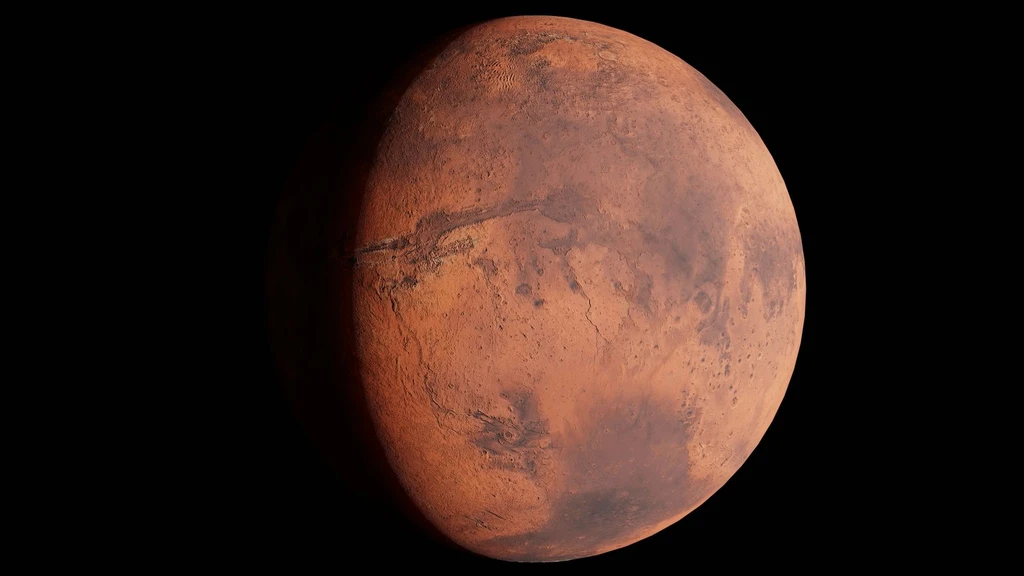
The volcano is a shield volcano, formed by low-viscosity basaltic lava flowing for vast distances over billions of years. Mars’s static crust, lower gravity (38% of Earth’s), and sustained volcanism allowed the mountain to reach this record height without collapsing. The result is a profile resembling a slightly raised lens, not a sharp peak.
The human body cannot perceive such a shallow incline. The vestibular system and proprioception are tuned by evolution for Earth’s steeper gradients. A 2-degree slope creates signals barely above the noise floor, making the climb feel like a walk across flat terrain.
Vision fails, too. The Martian horizon is closer than on Earth. From the volcano's flank, the curvature bends the horizon downward, and the summit is never visible. The landscape appears deceptively flat in every direction.
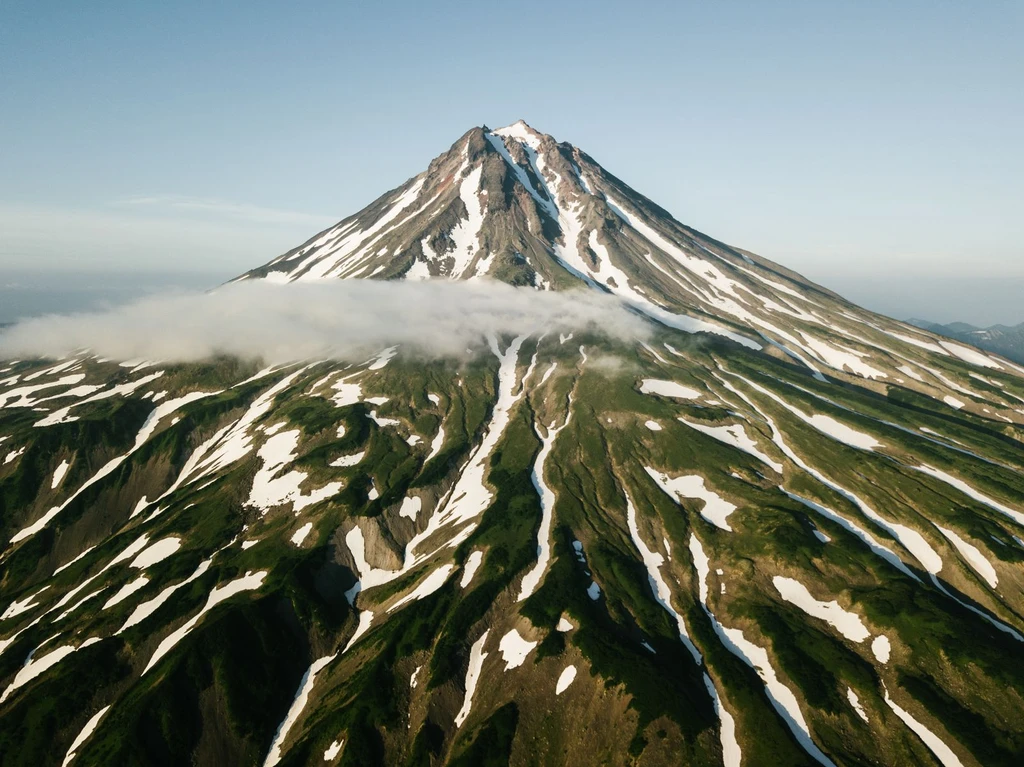
The only dramatic feature is the basal escarpment, a cliff up to 6 kilometers high ringing the mountain. The summit caldera is 80 kilometers across and 3 kilometers deep. Walking from the base to the summit would be a 300-kilometer horizontal journey, taking weeks with life support. The environment is harsh, with virtually no atmospheric pressure at the summit.
Olympus Mons is part of the Tharsis bulge, a volcanic province the size of North America. The true scale of this geographic feature is only perceptible from orbit, where it resolves into a dark, caldera-topped bulge ringed by ancient landslides. On the surface, it is not a climb of effort, but an imperceptible tilt across geography so vast it ceases to feel like terrain.