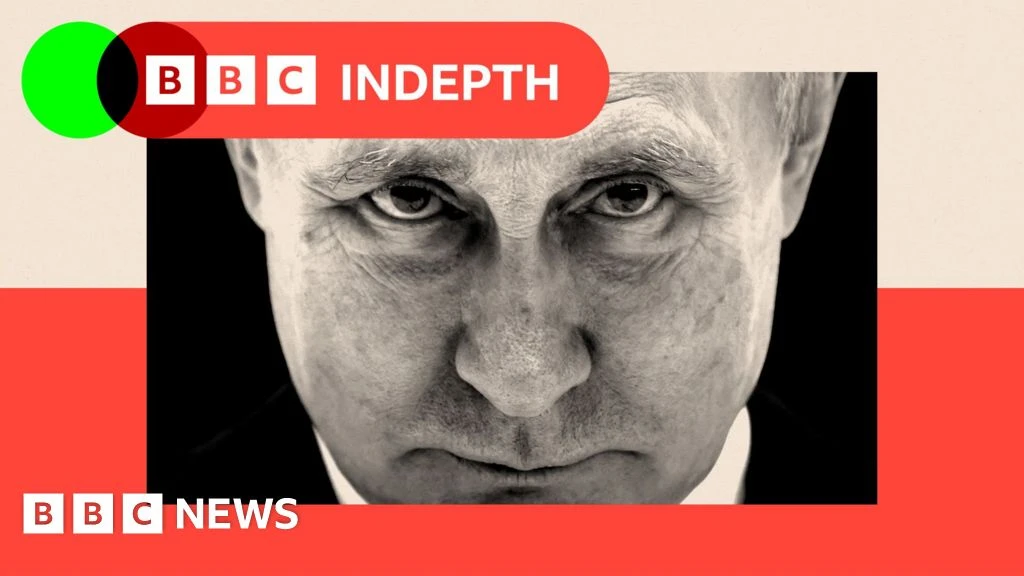
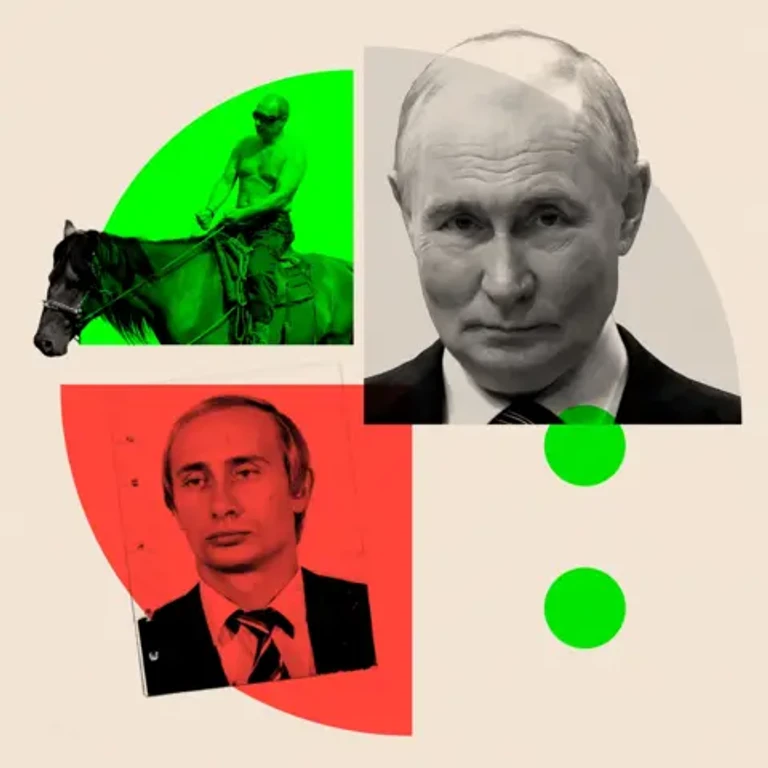
Throughout his presidency, Vladimir Putin has masterfully used visual imagery to consolidate power. From a quiet KGB background to a bare-chested horseback riding icon, he reinvented himself multiple times.
An aide once snatched water glasses before a 2001 interview, fearing they could be mistaken for vodka. 'Television is a nuclear bomb when it comes to publicity,' Putin’s team believed. He cultivated a teetotal image, contrasting sharply with predecessor Boris Yeltsin's public drinking.
His early career in the KGB and later as a St. Petersburg official saw him blend into the background. But as president, he embraced the limelight. Staged photos of him piloting fighter jets, judo matches, and topless horseback riding projected machismo and vitality.
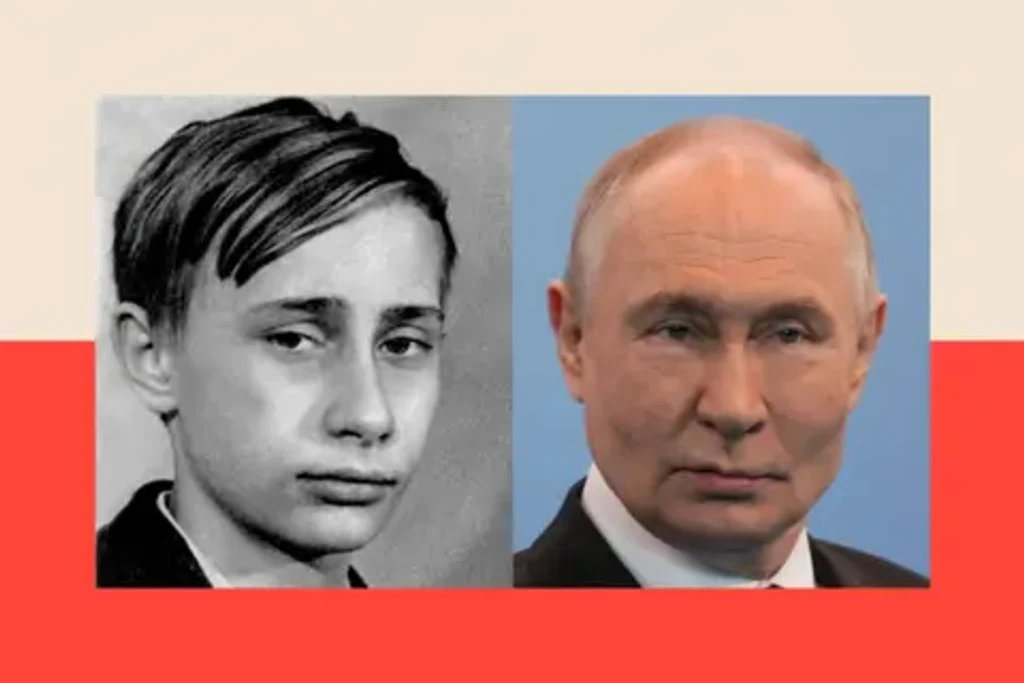
Putin even shed tears at a post-election rally in 2012. Some analysts called it a performance of a weeping icon. From then on, public dissent became illegal, and Russia grew increasingly authoritarian.
Now 73, with the war in Ukraine central to his legacy, Putin appears less frequently and more paranoid. He has become trapped in the roles he created, a far cry from the dynamic action hero he once portrayed.