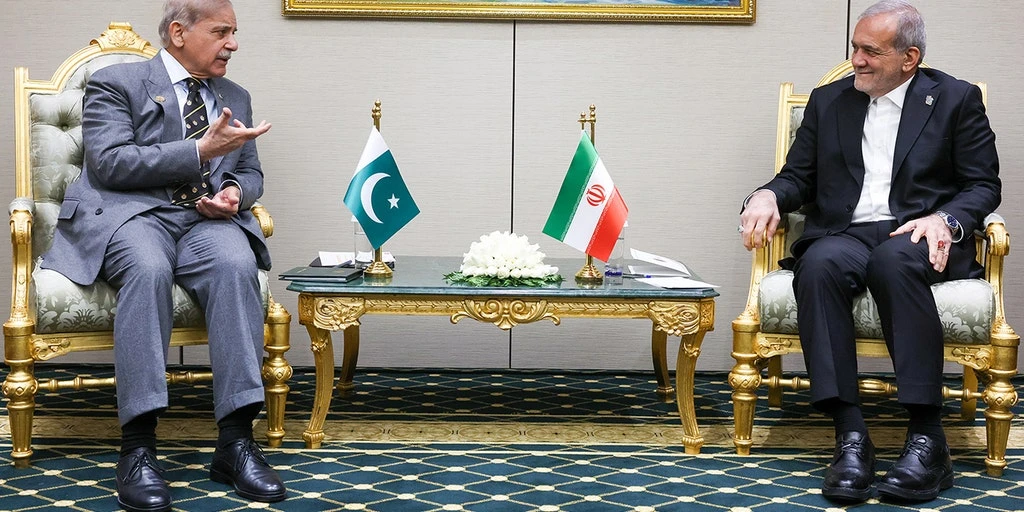
Pakistan is navigating a perilous geopolitical moment, caught between escalating conflict with Iran, ongoing border violence with Afghanistan, and deepening defense ties with Saudi Arabia.
The country has positioned itself as a potential mediator between the U.S. and Iran, even as it enforces a new mutual defense pact with Saudi Arabia. Islamabad condemned Iranian strikes while urging de-escalation, but analysts question its neutrality.
Pakistan’s army chief made an emergency visit to Riyadh days after hostilities began-the first test of the bilateral security agreement. Saudi Arabia remains a critical economic partner, providing energy support amid war-driven supply disruptions.
Yet ties with Iran are equally vital. The two share a 565-mile border, significant trade links, and Pakistan hosts the world’s second-largest Shiite population. Protests following Supreme Leader Ayatollah Ali Khamenei’s assassination turned violent, prompting military intervention.
Pakistan recently backed a Gulf-led UN resolution condemning aggression-drawing quiet disapproval from Tehran. Still, a Pakistani oil tanker became the first non-Iranian vessel to cross the blockaded Strait of Hormuz, signaling possible backchannel coordination.
In Washington, officials are assessing Pakistan’s stance, with Press Secretary Karoline Leavitt highlighting India as a "good actor" amid growing strategic competition.
Meanwhile, Pakistan faces intensifying conflict with Afghanistan. Recent airstrikes reached Kabul, exacerbating tensions with the Taliban regime, which Islamabad accuses of harboring terrorists.
With military commitments stretching east and west, any further regional destabilization risks overwhelming Pakistan’s capacity. Experts warn that instability in a nuclear-armed state could have global consequences.