In a year marked by climate concerns, 2026 delivered a wave of positive environmental developments. These stories offer a counter-narrative to climate doom, highlighting human ingenuity and nature's resilience.
New UK banknotes will feature native wildlife, celebrating biodiversity. Conservation efforts are showing promise, with ultrasound technology potentially saving European hedgehogs and advanced breeding programs aiding the recovery of New Zealand's kakapo and Galápagos giant tortoises. The British Wildlife Photography Awards continue to showcase the UK's natural beauty.
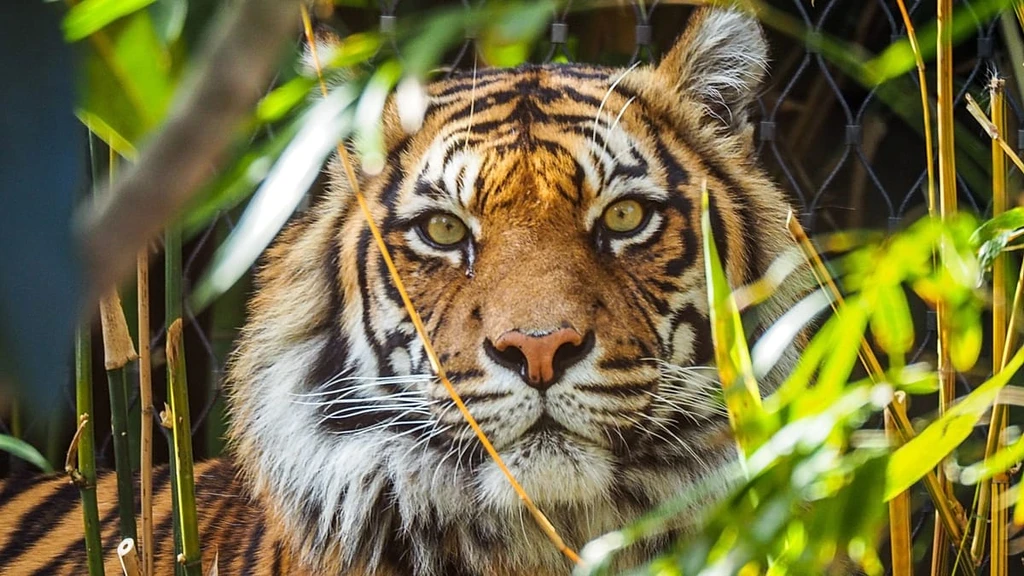
Women are increasingly leading the charge in green politics across Europe, advocating for significant change. Meanwhile, wildlife is being recognized for its role in combating climate change, from carbon-storing tigers to flood-controlling beavers. Indigenous communities in the Amazon are seeing renewed hope with the birth of a child to the Akuntsu tribe.
Technological advancements are driving the green transition. Space-based solar power is emerging as a potential game-changer for renewable energy. Stockholm's waterways are being transformed by quiet, low-emission 'flying' ferries. France is reviving disused railway networks with innovative 'van-to-rail' solutions, and Finland is exploring sand-based technology to decarbonize industrial heat.
Renewable energy is surging across Europe. Portugal led the EU in January 2026 with over 80% of its electricity from renewables, and wind and solar surpassed fossil fuels for the first time in the EU in 2025. Ten European countries have pledged €9.5 billion for North Sea wind projects, aiming for 100GW by 2050.
Conservation efforts are yielding results globally. Sardinia's griffon vulture population has rebounded significantly. The historic High Seas Treaty has entered into force, protecting international waters. Scientists are highlighting the overlooked power of carbon-sucking fungi, and coral reefs are being recognized for their potential to combat food insecurity.
Progress is also being made on combating pollution. France has banned 'forever chemicals,' and research suggests air fryers may improve indoor air quality. Even rare whale species are showing encouraging signs with increased births, though continued conservation is vital.