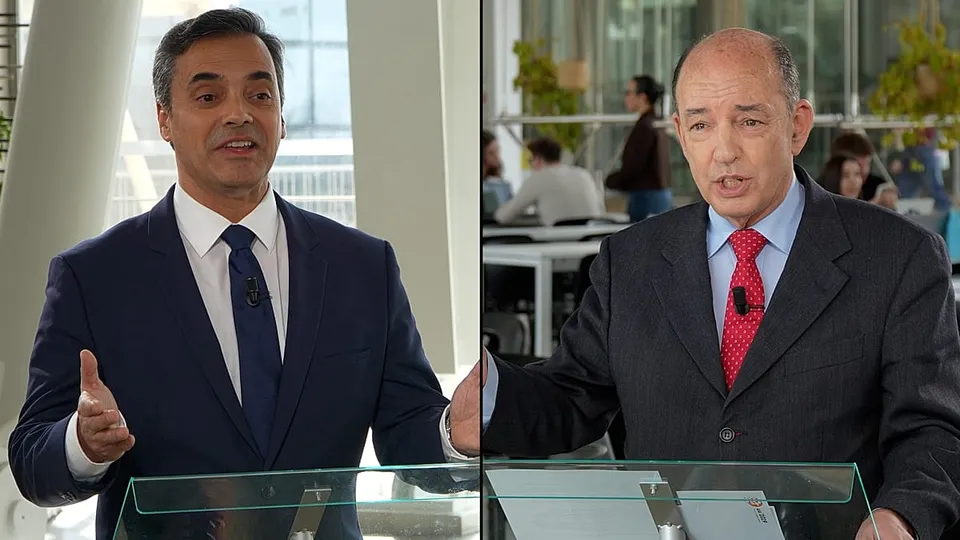
Portugal has delivered a historic verdict, halting the rise of the far-right in its presidential election. António José Seguro secured a landslide victory, defeating André Ventura with approximately two-thirds of the vote. This outcome prevented a populist breakthrough and marked one of the largest electoral margins in the nation's democratic history.
The broad coalition supporting Seguro spanned from the center-left to parts of the center-right. For many, the vote was less an ideological endorsement and more a defense of democratic norms against a backdrop of increasing polarization.
However, André Ventura's significant support highlights ongoing tensions within Portuguese society. Concerns regarding immigration, economic pressures, and a distrust in institutions persist. While the far-right was defeated electorally, it solidifies its position as a notable political force, indicating a structural shift in the country's traditional party system.
In this evolving political landscape, President-elect Seguro faces a moderating role with potential influence over government stability. Questions remain about his capacity to act as a reformist leader, broker agreements on critical issues like healthcare and housing, and ensure stability within a increasingly tripartite political system.
The election's implications extend beyond Portugal. Amidst electoral challenges for socialist parties across Europe, this victory could signal renewed momentum for the social-democratic movement. The broader European context, marked by conflict and rising defense spending, also raises questions about Portugal's role and the strength of a progressive European axis.