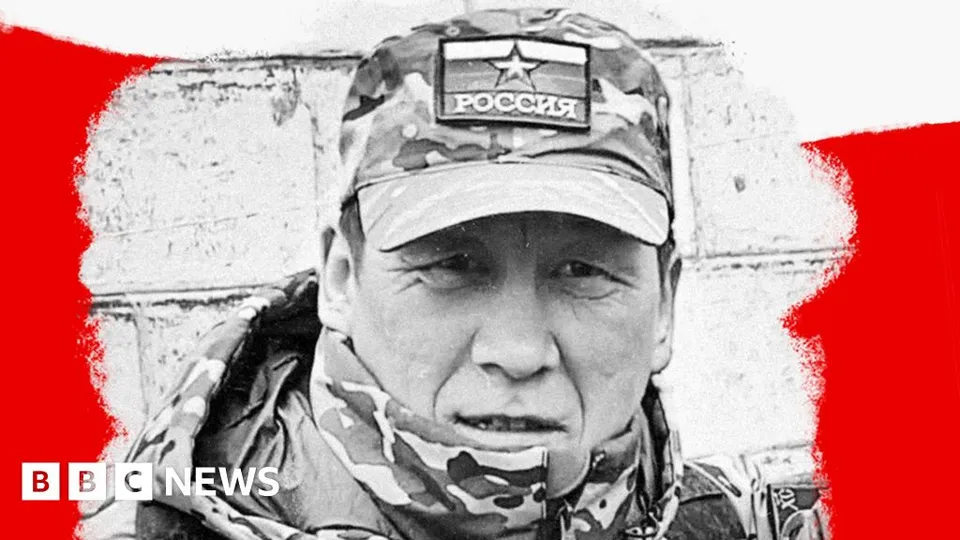
In the remote Russian Far East village of Sedanka, life is a constant struggle. Many homes lack basic amenities, and the village is isolated for much of the year. Now, almost all men aged 18 to 55 have been sent to fight in the Ukraine war.
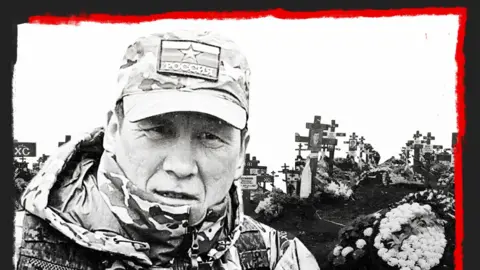
Of Sedanka's 258 residents, 39 signed military contracts. Twelve have been killed, and seven are missing. "It's heartbreaking - so many of our people have been killed," a villager told the BBC. "In almost every family, someone is fighting."
Losses are disproportionately high among indigenous groups, like the Koryaks and Itelmens in Sedanka. Experts suggest state media promotes stereotypes of "born warriors" to encourage recruitment from these communities. Vladimir Akeev, a local hunter and fisherman, signed a contract in summer 2024 and was killed four months later.
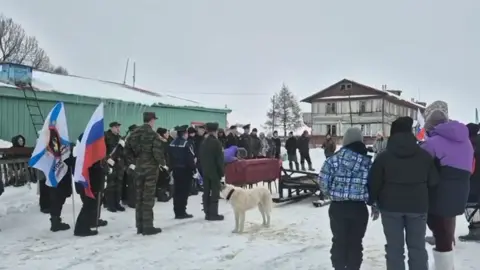
Analysis indicates that 67% of Russian soldiers killed in the conflict are from rural areas and small towns, despite these areas housing less than half of Russia's population. This disparity is linked to economic development, pay, and education differences. Many in these regions feel they have "nothing to lose."
A monument to "participants of the special military operation" was unveiled in Sedanka in autumn 2024, and the regional government pledged a "village of military valour" title and a support program. However, the title has not been bestowed, and promised support has been slow to arrive. The village's sole school is also in a state of emergency, with walls at risk of collapse.