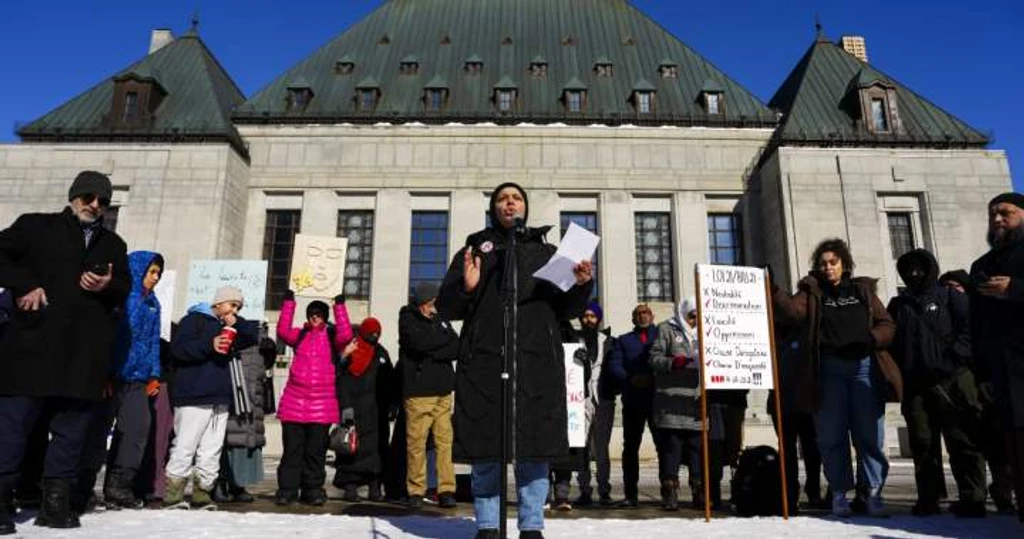
The Supreme Court of Canada is hearing a landmark challenge to Quebec’s Bill 21, a 2019 law banning public-sector workers like teachers, police, and judges from wearing religious symbols.
The case centers on laïcité, Quebec’s model of state secularism rooted in its post-Quiet Revolution identity. The province invoked the notwithstanding clause to shield the law from Charter challenges, sparking national debate over rights and provincial power.
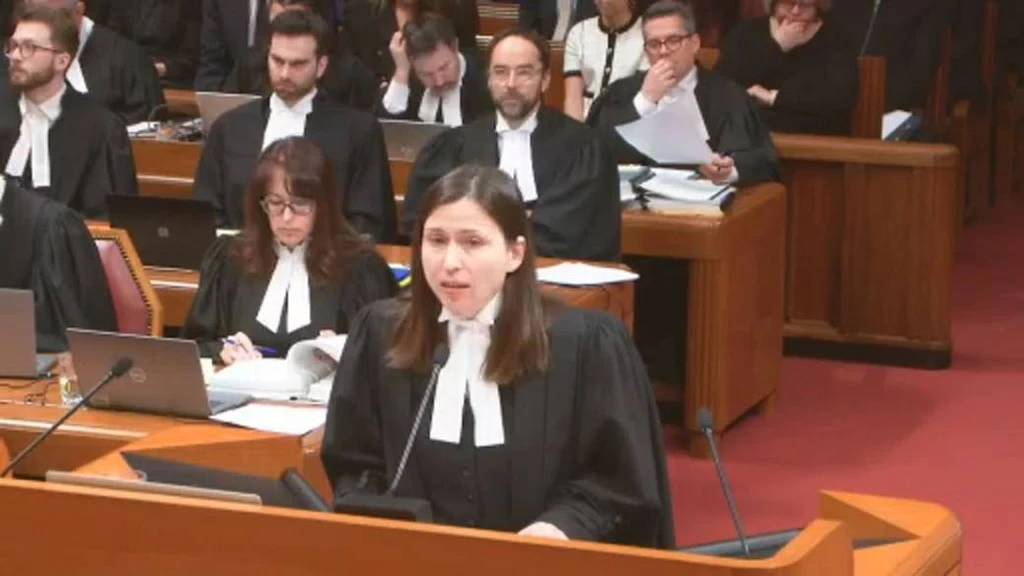
Legal experts say the ruling could redefine limits on the notwithstanding clause, which allows provinces to override fundamental rights but must be renewed every five years. Quebec renewed Bill 21 in 2024.
Critics argue the clause is being used as a 'blank cheque,' especially as other provinces consider it for contentious social legislation. Some courts have criticized Quebec’s broad interpretation, raising questions about judicial guardrails.
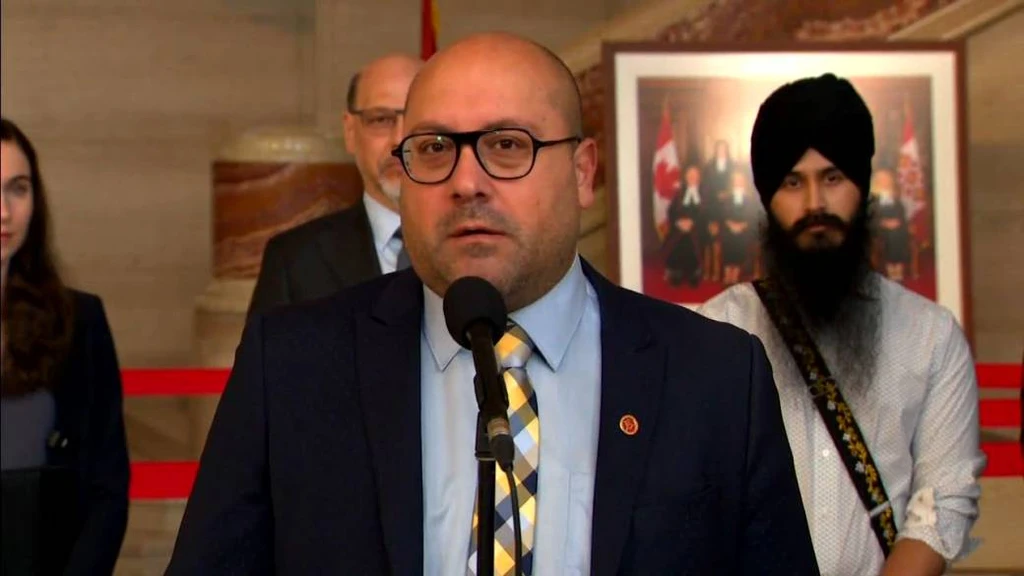
The case also tests whether Bill 21 violates Section 15 equality rights. A ruling for Quebec could empower other provinces to restrict religious expression under secularism claims.
Chief Justice Richard Wagner acknowledged Quebec’s unique history, but plaintiffs stress Canada has one federal Constitution. The decision may determine how far provincial visions can diverge from national norms.
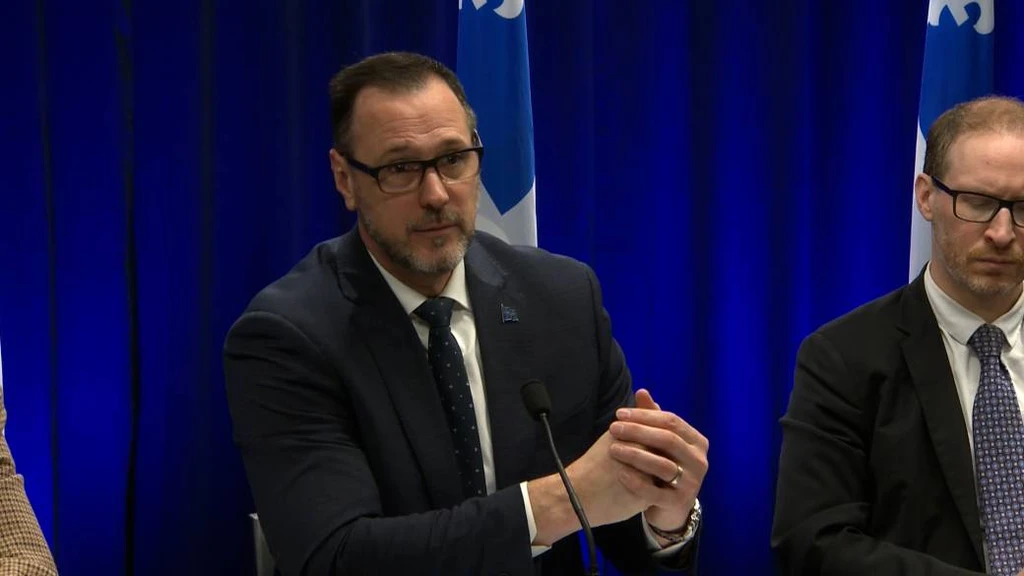
The outcome will set a precedent on both religious freedom and the balance of power between courts, legislatures, and constitutional rights across Canada.