The Supreme Court delivered a significant blow to President Donald Trump's economic agenda Friday, striking down his broad global tariffs in a 6-3 decision.
The ruling centers on tariffs imposed under emergency powers, impacting nearly all U.S. trading partners. This marks the first major piece of Trump's agenda to reach the nation's highest court.
The majority opinion asserted that the Constitution grants Congress the sole power to impose taxes, including tariffs. Chief Justice John Roberts wrote, "The Framers did not vest any part of the taxing power in the Executive Branch."
Justices Samuel Alito, Clarence Thomas, and Brett Kavanaugh dissented. Kavanaugh argued in his dissent that the tariffs were "clearly lawful" based on text, history, and precedent.
This decision does not prevent the administration from imposing duties under other, more restricted laws. However, top officials indicated plans to maintain the tariff framework through alternative authorities.
The ruling comes after a series of recent wins for the Trump administration on the court's emergency docket, which had facilitated expansions of executive power.
Trump had characterized the case as critically important, warning a loss would be an economic body blow. Legal opposition, however, spanned the political spectrum, including libertarian and pro-business groups.
Public polling indicated that tariffs were not widely popular, amidst broader voter concerns about affordability. The Constitution explicitly grants Congress the power to levy tariffs. The administration's argument hinged on a 1977 law allowing presidential regulation of imports during emergencies, a law previously used for sanctions but never for import taxes by a president.
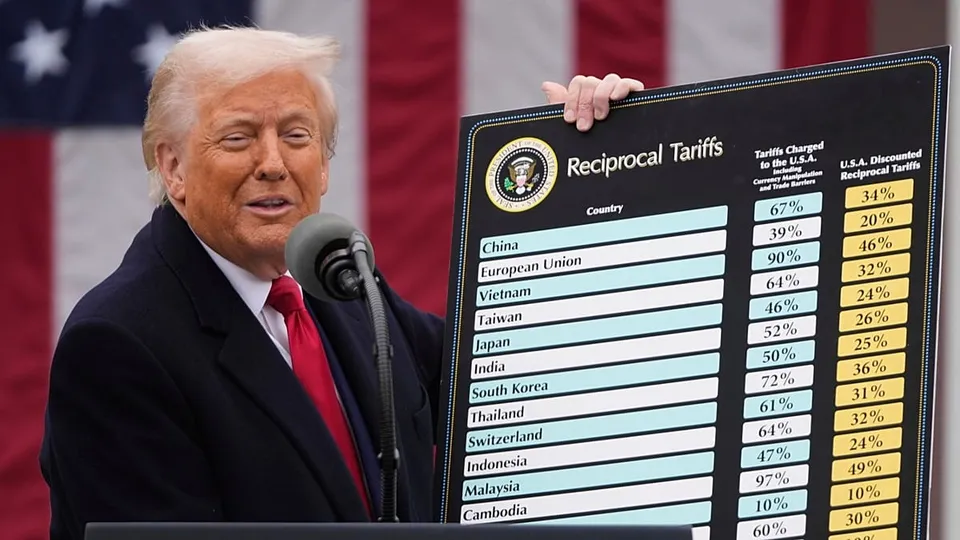
Trump declared a national emergency in April 2025 to justify reciprocal tariffs on most countries, aimed at addressing trade deficits. These followed earlier duties imposed on Canada, China, and Mexico, citing drug trafficking emergencies.
Lawsuits challenging the tariffs argued that the emergency powers law does not mention tariffs and that Trump's application failed legal tests, similar to a previous ruling that impacted a student loan forgiveness program.
Estimates suggest Trump's tariffs could cost the economy $3 trillion over the next decade. Federal data from December indicated the Treasury had collected over $133 billion from these import taxes. Companies like Costco have already sought refunds through legal channels.