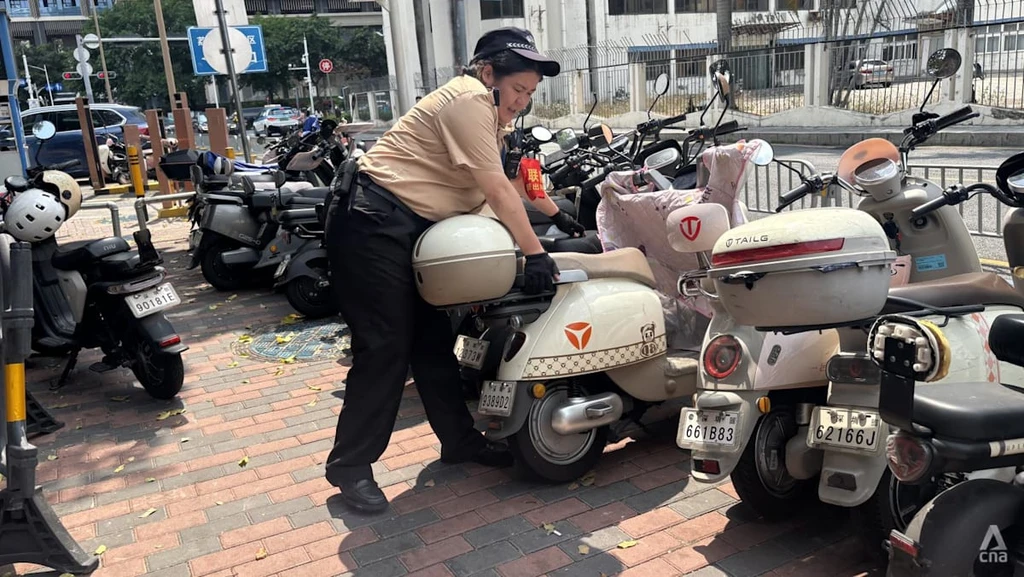
SHENZHEN: Close calls with electric scooters are becoming common in Shenzhen, a city of 18 million where over 6 million registered electric two-wheelers outnumber cars. This boom has led to a rise in traffic violations and safety concerns.
Authorities are now enforcing stricter citywide rules, effective April 1, with fines up to 2,000 yuan for violations. These regulations extend restrictions to pedestrian areas and limit access on certain roads. However, the crackdown has exposed deeper infrastructure gaps and the need for long-term solutions.
In the bustling Huaqiangbei district, known for its electronics markets, e-scooters are essential for moving goods. New metal barriers separate pedestrians from scooters, and enforcement is tightened on previously loosely applied restrictions. Delivery riders face significant disruption, with reduced trips and longer waits.
The campaign, part of a broader traffic enforcement drive, aims to improve order and safety for the upcoming APEC summit in November. Similar changes are occurring in other districts, with designated parking areas and stricter enforcement against unlicensed scooters.
E-scooters are crucial for short-distance travel in Shenzhen, bridging gaps between homes, workplaces, and public transport. They are affordable and widely used for commuting and goods transport, with numbers skyrocketing from 800,000 in 2013 to over six million.
However, safety remains a concern, with electric bikes involved in a significant percentage of traffic and fatal accidents. Dedicated lanes cover only a fraction of Shenzhen's roads, forcing scooters to compete for space. Analysts suggest the current restrictions are a phased approach to improving infrastructure and reallocating road space for non-motorised vehicles.