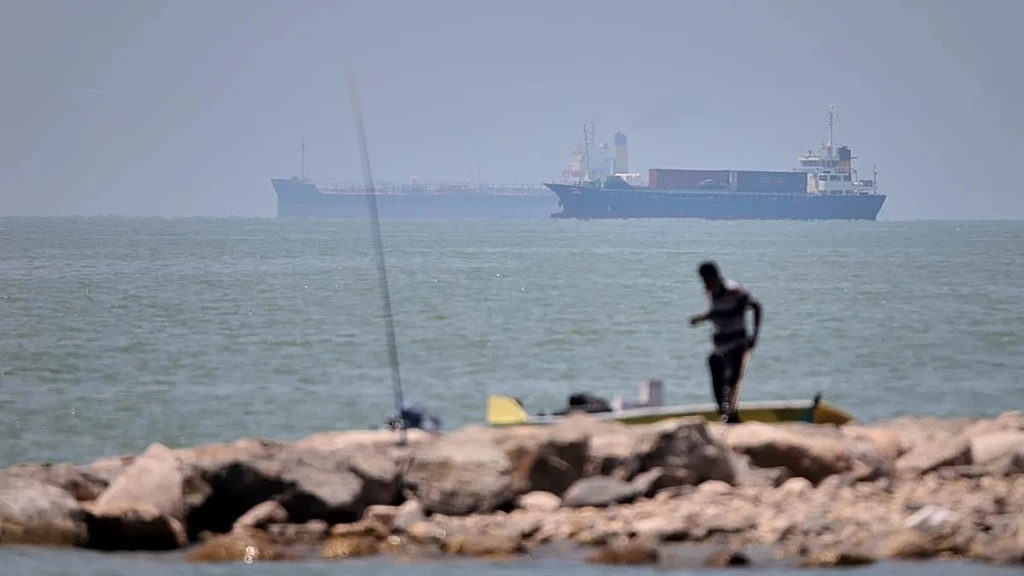
Despite a new peace framework between the United States and Iran, the global shipping industry remains cautious about resuming operations in the Strait of Hormuz. Lingering threats from sea mines, skyrocketing insurance premiums, and eroded confidence suggest the recovery will be as complex economically as it is operationally.
Executives welcomed the agreement unveiled at the G7 summit in Évian, which aims to reopen the strait over 60 days. The deal mandates the US end its naval blockade while Iran facilitates safe commercial passage without charge. However, energy intelligence firm Kpler warns investors to expect a gradual, uneven recovery extending well into 2027 rather than an immediate return to normalcy.
Jotaro Tamura, CEO of Mitsui OSK Lines, stated that a diplomatic agreement alone cannot instantly restore destroyed confidence. He estimates it will take weeks or months for the deal to translate into tangible safety on the water. Similarly, Maersk CEO Vincent Clerc emphasized that normal activity must wait for comprehensive surveys to detect sea mines and map safe routes for large vessels.
Over 100 oil tankers currently trapped inside the Gulf are expected to transit once passage is deemed safe. Analysts project traffic will build slowly from 15 to 40 transits daily over the first month. The International Maritime Organisation also highlighted the urgent need to evacuate thousands of seafarers stranded during the three-month paralysis.
Uncertainty persists regarding operational control. Iran asserts it will solely manage the restoration process, rejecting outside intervention. Conversely, a coalition of 36 nations has committed to defensive missions for mine clearance and ship escorts. Germany is already deploying naval assets toward the Red Sea, and France indicated readiness to secure the waterway within days.