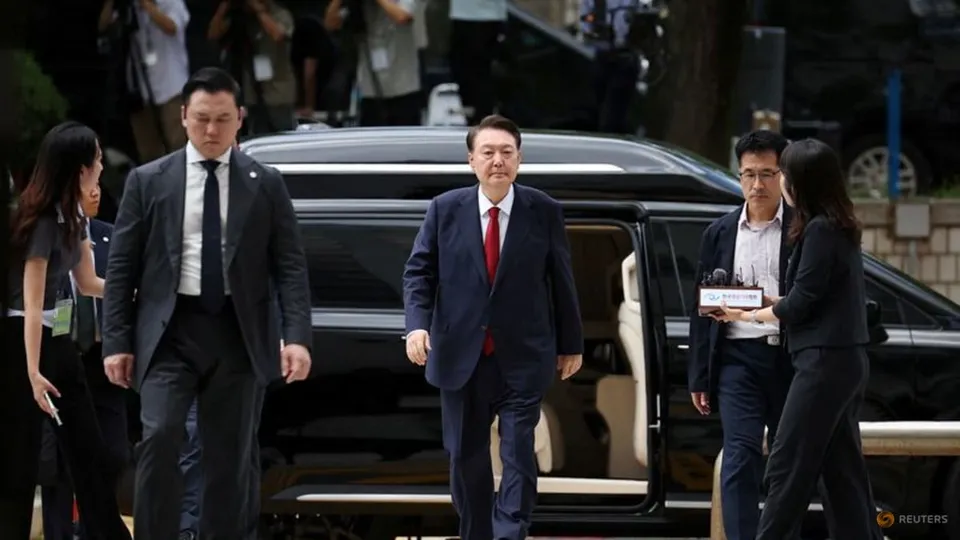
SEOUL: South Korea's capital punishment system is under renewed scrutiny as prosecutors seek the death penalty for former President Yoon Suk Yeol on insurrection charges. This move brings the controversial practice back into the spotlight, particularly in light of the nation's de facto moratorium on executions since 1997.
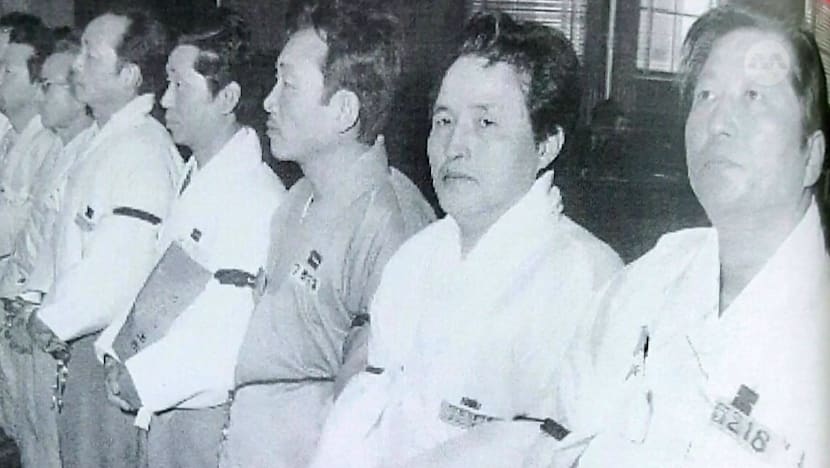
Park Gi-rae, a South Korean who was sentenced to death in 1975 on anti-state charges and later acquitted in 2023, exemplifies the system's complexities. His son, Park Chang-seon, endured years of trauma and social stigma following his father's conviction, which was later overturned due to torture-induced confession. The family received significant compensation, but the emotional scars remain.
Despite ongoing death sentences for approximately 57 inmates, no executions have occurred for nearly three decades, creating a legal paradox. Experts suggest two paths forward: resume executions or abolish capital punishment. Public opinion remains divided, with a majority favoring the death penalty, largely due to concerns about violent crime. Human rights advocates, however, warn of the irreversible nature of executions and the potential for wrongful convictions, echoing cases like Park Gi-rae's.
Park Chang-seon advocates for symbolic death sentences in extreme cases, but insists they should never be carried out, emphasizing the fallibility of human judgment and the finality of execution.