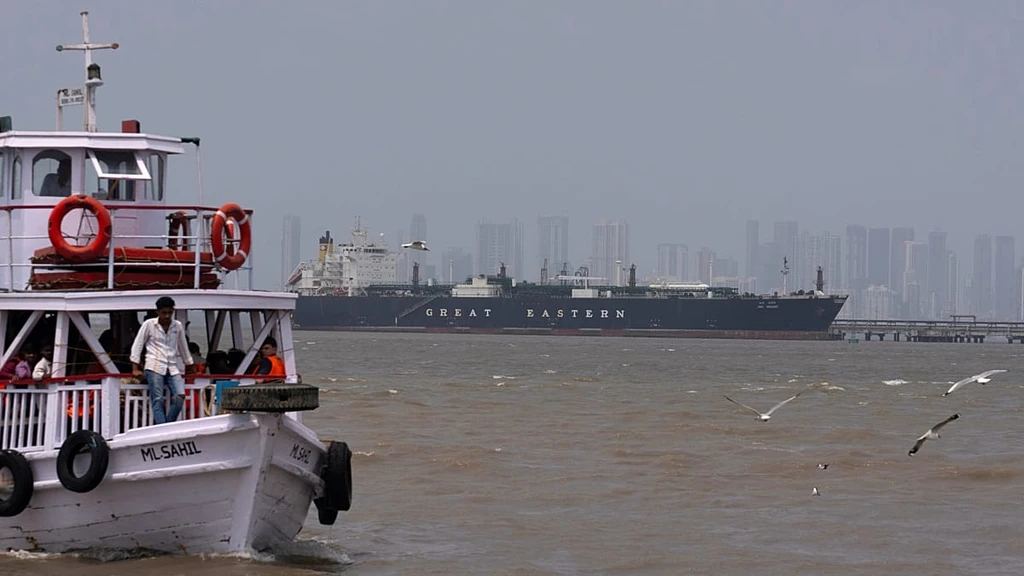
Shipping companies are weighing transit opportunities following a potential two-week ceasefire that could reopen the Strait of Hormuz. However, significant uncertainties persist.
Maersk, the world's second-largest container operator, stated the ceasefire "may create transit opportunities, but it does not yet provide full maritime certainty." The company is urgently seeking clarification on passage conditions, emphasizing that decisions depend on continuous risk assessments and guidance from authorities.
German line Hapag-Lloyd echoed this caution. CEO Rolf Habben-Jansen indicated it's too early to gauge traffic volume, warning a return to normal network operations could take six weeks. The company estimates around 1,000 merchant ships are currently delayed, costing them approximately $55 million weekly.
US President Donald Trump called for the "COMPLETE, IMMEDIATE, and SAFE OPENING" of the Strait as a ceasefire requirement. Iran’s Foreign Minister Abbas Araghchi confirmed safe passage is possible for the two-week period, contingent on cessation of attacks and coordination with Iran’s Armed Forces.
Regional officials suggest both Iran and Oman may introduce transit fees, a departure from the waterway's previous toll-free status. Exact amounts and procedures remain unconfirmed.
Other operators, including NYK Line, are closely monitoring developments. While even limited flows could help clear the backlog and reduce accumulating losses from idle vessels, higher insurance premiums, and demurrage charges, the need for military coordination and new fees add complexity. Meaningful operational decisions await resolution of these uncertainties.