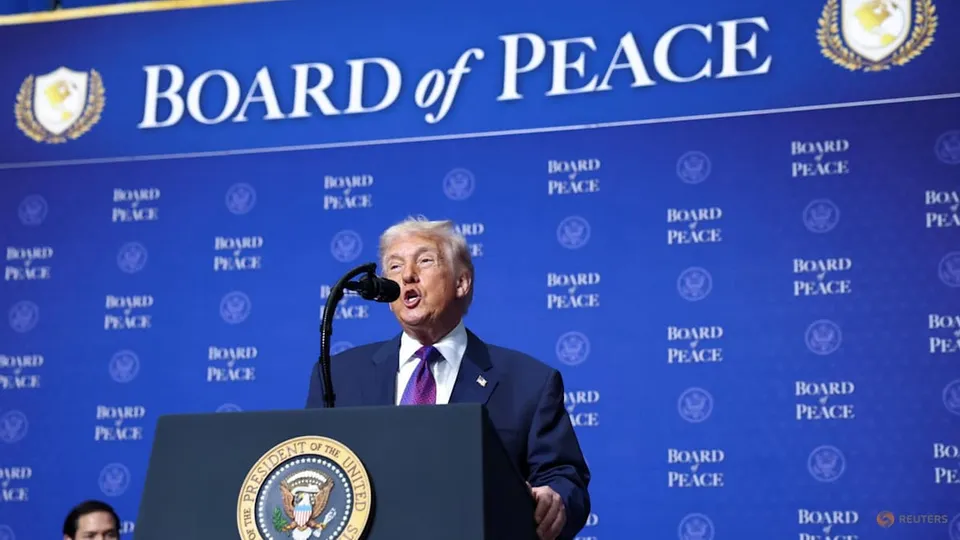
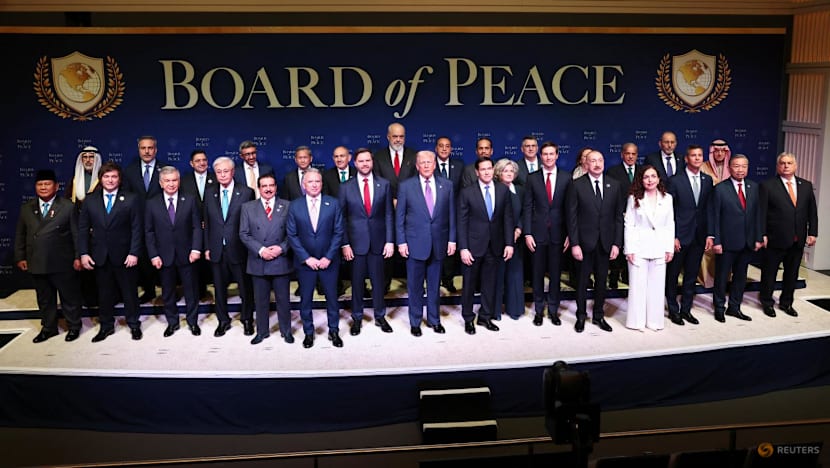
President Donald Trump convened the inaugural "Board of Peace" meeting in Washington with representatives from over two dozen nations. The focus is on reconstruction efforts and establishing an international stabilization force for Gaza, where a fragile ceasefire remains in place.
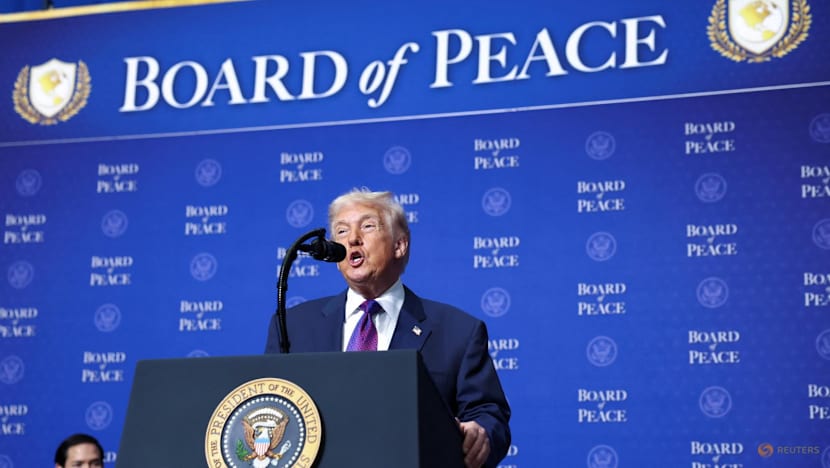
Board members have pledged over US$5 billion for reconstruction, a fraction of the estimated US$70 billion needed. Commitments for thousands of personnel to stabilization and police forces are also expected.
Trump stated the board's purpose is "peace," initiated as part of his 20-point plan. However, concerns have arisen that the board might rival the United Nations, with Trump suggesting it could push the UN to "get on the ball."
While over 40 countries and the EU sent officials, some key allies remain hesitant. Germany, Italy, Norway, Switzerland, and the UK are observing, not participating as members. The Vatican has expressed a preference for the UN to manage crisis situations.
The administration defended the initiative, calling it a "legitimate organization" with broad international backing. Officials emphasized the board is "doing, not talking."
A key discussion point involves creating an international stabilization force to ensure security and the disarmament of Hamas, a demand from Israel. Currently, only Indonesia has made a firm commitment for troops, and Hamas's willingness to disarm remains uncertain. Analysts note that some allies' skepticism is rooted in the board's unclear mandate beyond Gaza.