President Donald Trump announced on Sunday that Iran could directly contact the US for negotiations to end the ongoing war. This statement followed the cancellation of planned talks in Islamabad. Trump stated, "If they want to talk, they can come to us, or they can call us. You know, there is a telephone. We have nice, secure lines."
The core condition for any meeting, according to Trump, remains Iran's commitment to not developing nuclear weapons. He indicated that cancelling the envoys' visit did not signify an escalation of fighting. The conflict, initiated by US-Israeli strikes in February, has resulted in thousands of casualties, increased oil prices, and contributed to global inflation. Both Iran and the US have imposed blockades on each other's ports, disrupting vital shipping routes like the Strait of Hormuz.
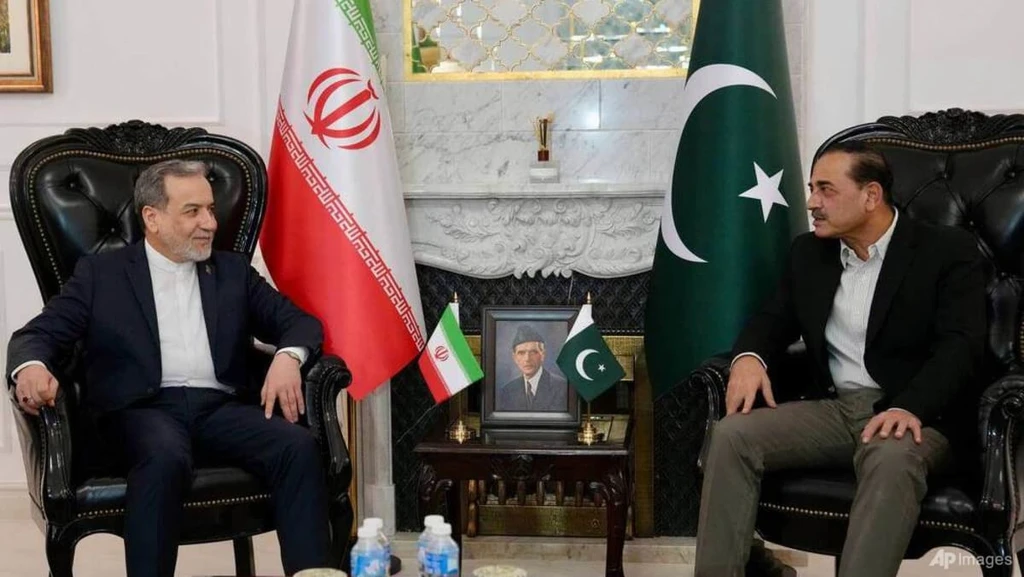
Meanwhile, Iranian Foreign Minister Abbas Araghchi continued his diplomatic efforts, meeting with Pakistani officials in Islamabad. He then traveled to Oman to discuss regional security and the importance of free transit through the Strait of Hormuz. Araghchi later departed for Russia for further discussions with senior officials, with reports indicating a meeting with President Vladimir Putin in St. Petersburg.
Despite Iran's demand for the US to lift its maritime blockade before substantive negotiations can begin, Trump described Iran's leadership as being in "tremendous infighting and confusion." The war continues to destabilize the Middle East, with renewed conflict reported between Israel and Hezbollah.