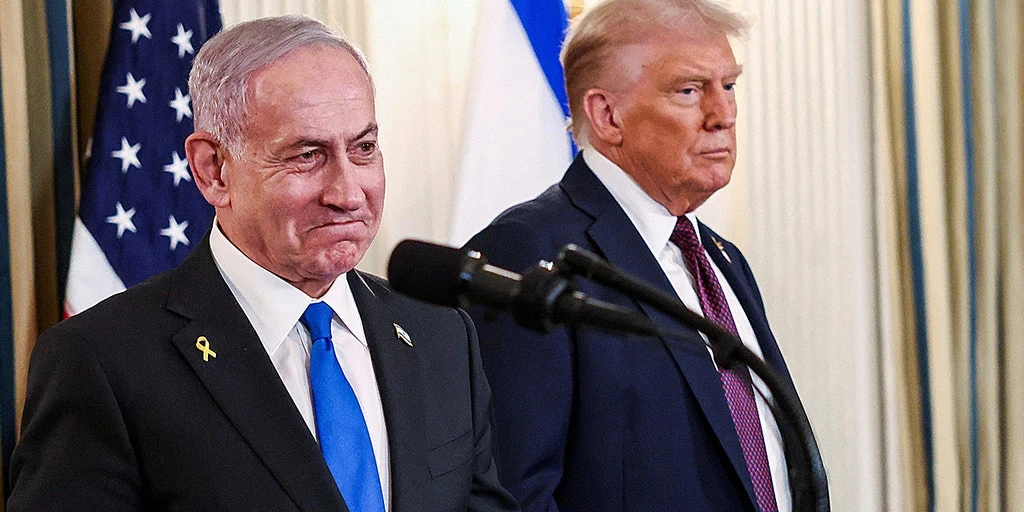
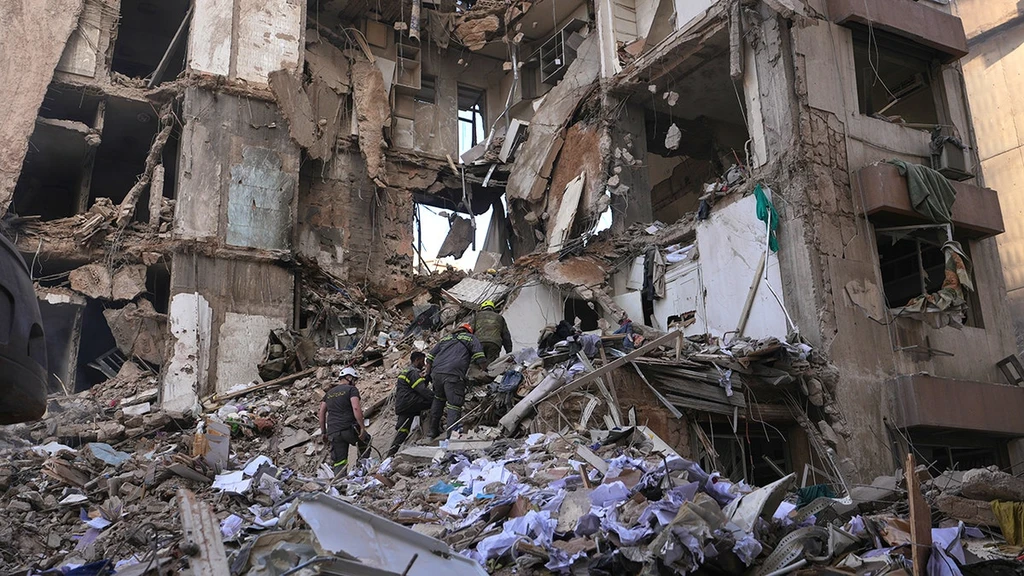
Rising Middle East tensions now threaten President Donald Trump’s push for an Iran peace deal. Despite explicit U.S. warnings that military escalation would derail negotiations with Tehran, the Israel Defense Forces struck Hezbollah targets in Beirut for a second time. Diplomats describe these strikes as a direct complication to finalizing the agreement, with some viewing them as an attempt to sabotage the president's diplomatic efforts.
President Trump publicly condemned the strikes, signaling a significant deterioration in relations with Prime Minister Benjamin Netanyahu. Analysts report growing fear within Jerusalem that Trump may flip on his Israeli counterpart. Natan Sachs of the Middle East Institute identifies a strategic chasm between the two leaders: Netanyahu favors sustained, long-term military pressure, while Trump prioritizes immediate diplomatic victories. This divergence suggests Trump is growing weary of Netanyahu’s approach as negotiations reach a critical phase.
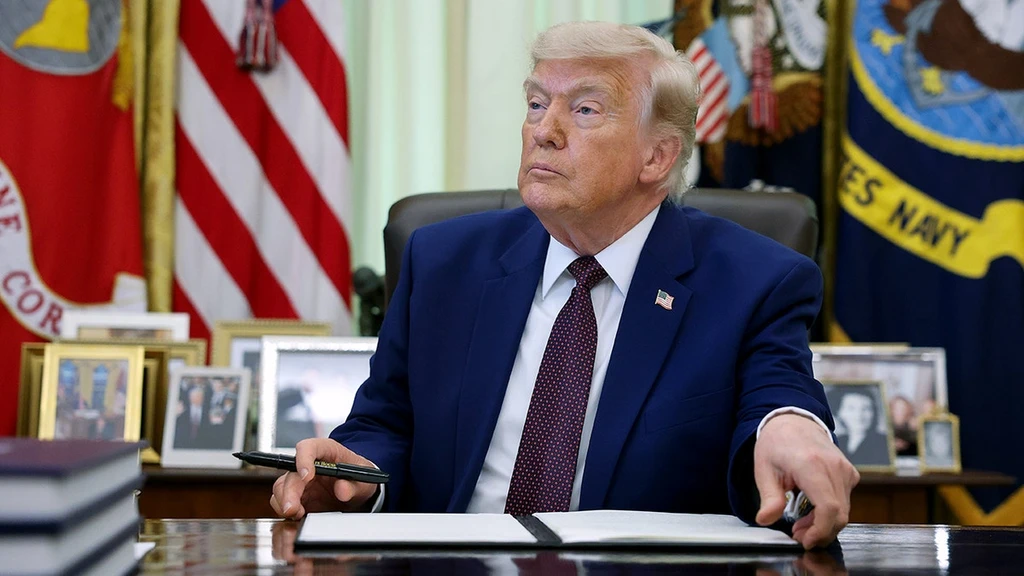
Netanyahu maintains that Israel is not party to the U.S.-Iran memorandum of understanding and insists Tehran seeks to destroy the Jewish state. However, experts warn that Israel may have made a historic error by aligning too closely with Trump’s preference for quick wins rather than preparing for a prolonged conflict. While both leaders share goals regarding Iran’s nuclear ambitions and Hezbollah, their vastly different temperaments and time horizons are creating dangerous friction during sensitive talks.
The fundamental clash lies in methodology. Netanyahu views himself as a patient, suspicious strategist willing to manage conflicts indefinitely. Conversely, Trump demands rapid resolution and has shown willingness to break norms when frustrated. As Pakistani mediation continues, the alliance faces its most severe test, with U.S. interest potentially waning just as Israel feels it cannot afford to lose American support.