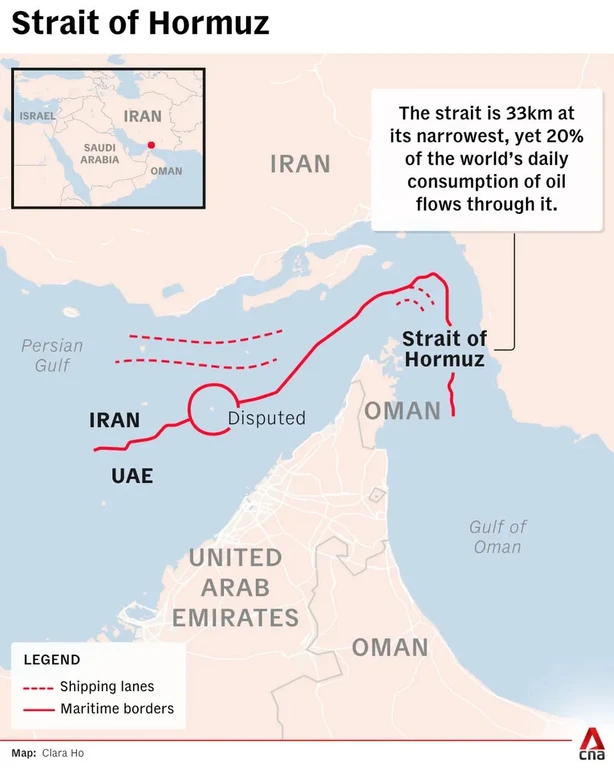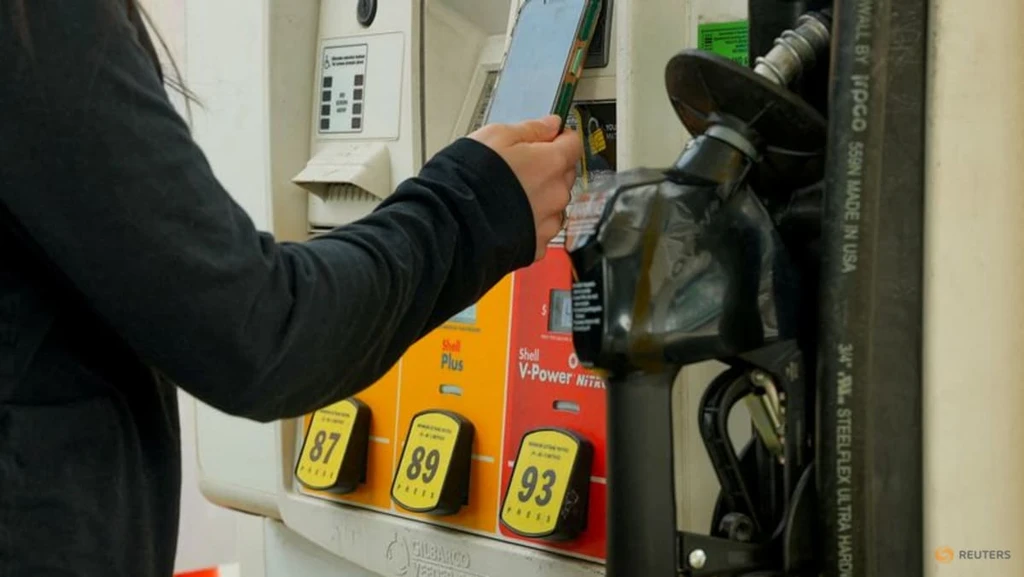
As conflict chokes off oil exports from the Persian Gulf, governments are considering emergency stockpiles, like the US Strategic Petroleum Reserve (SPR), to counter price shocks. Oil and gasoline price spikes, fueled by the war with Iran, are pressuring global leaders to tap these critical facilities.
The 32 countries in the International Energy Agency (IEA) collectively hold at least 1.2 billion barrels in emergency public stores. The US possesses the largest buffer, with underground caverns capable of holding over 700 million barrels. Currently, these sites hold about 415 million barrels, at 60% capacity after a significant drawdown.
China has reportedly built an even larger reserve capacity, estimated at 1.4 billion barrels.
Finance ministers from the Group of Seven (G7) are prepared to deploy reserves but have not yet acted. President Donald Trump has expressed reluctance, characterizing high energy prices as temporary. Japan is preparing for a potential release, while India is not planning to tap its buffer.
Oil traders question whether tapping reserves would sufficiently offset the estimated 11-to-16 million barrels of daily supply lost from the Persian Gulf. The SPR's maximum drawdown capability is 4.4 million barrels per day, but actual market reach could be limited.
The Trump administration's hesitation stems from arguments of sufficient market supply and political considerations, as they previously criticized the Biden administration for drawing down reserves. Logistical challenges also exist, including plans to refill the reserve and ongoing repairs to facilities damaged during previous drawdowns.
US Presidents can order a full SPR drawdown in cases of severe energy supply interruptions threatening national security or the economy. Limited drawdowns are possible for significant domestic or international supply shortages.
Beyond localized disruptions, the US has tapped its reserve a handful of times before 2022. Significant releases occurred under Presidents Biden, Obama, George W. Bush, and George H. W. Bush in response to various international crises and natural disasters.
Refilling the US stockpile remains a challenge. While President Trump vowed to refill the reserve, funding has been limited, and the Energy Department is exploring creative solutions, including private company contributions.