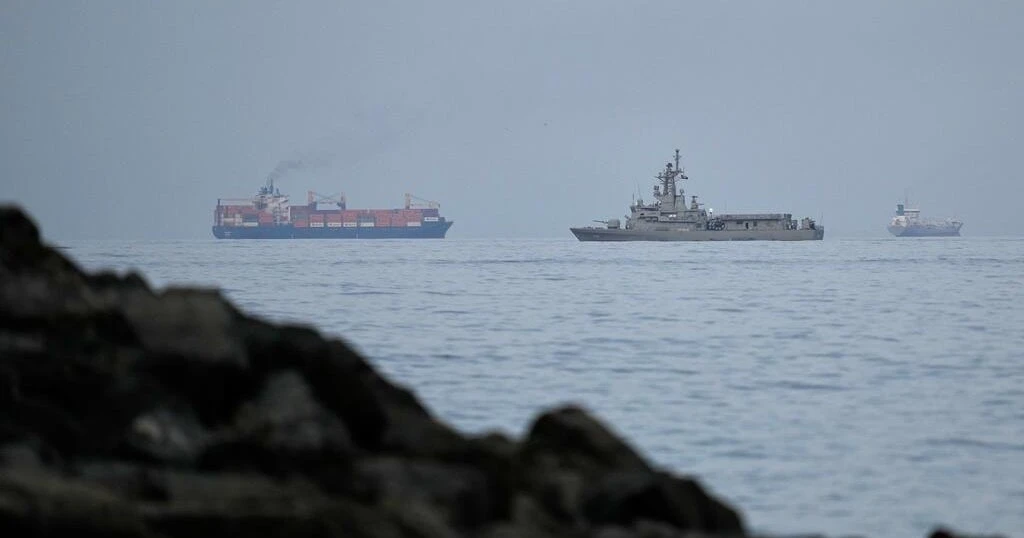
With the Strait of Hormuz - a critical route for 20% of global oil - largely blocked by attacks on shipping, the Trump administration is preparing naval escorts to restore flow. Over the past two weeks, more than a dozen tankers have been targeted in the Persian Gulf and Arabian Sea, prompting fears of a supply crunch that has driven oil prices up 40%.
President Trump confirmed U.S. Navy and partner nations would escort ships if needed, though officials say full operations are not yet possible. Energy Secretary Christopher Wright stated the U.S. is still focused on destroying Iran’s offensive capabilities, including anti-ship missiles, drones, and mine-laying vessels.
Military experts describe a two-phase operation: first, degrading Iranian threat capacity through airstrikes; second, launching escorted convoys. The U.S. Central Command claims to have struck around 6,000 Iranian targets, including missile sites and minelayers. Still, Iran retains hundreds of small boats capable of laying mines and deploying kamikaze drones.
Escorts could involve staging areas, air cover, surveillance, and mine-sweeping units. Experts warn even limited attacks could deter tanker operators. A prior 1987 operation during the Iran-Iraq War involved dozens of U.S. ships and ended in tragedy after a mine strike and the downing of an Iranian passenger plane.
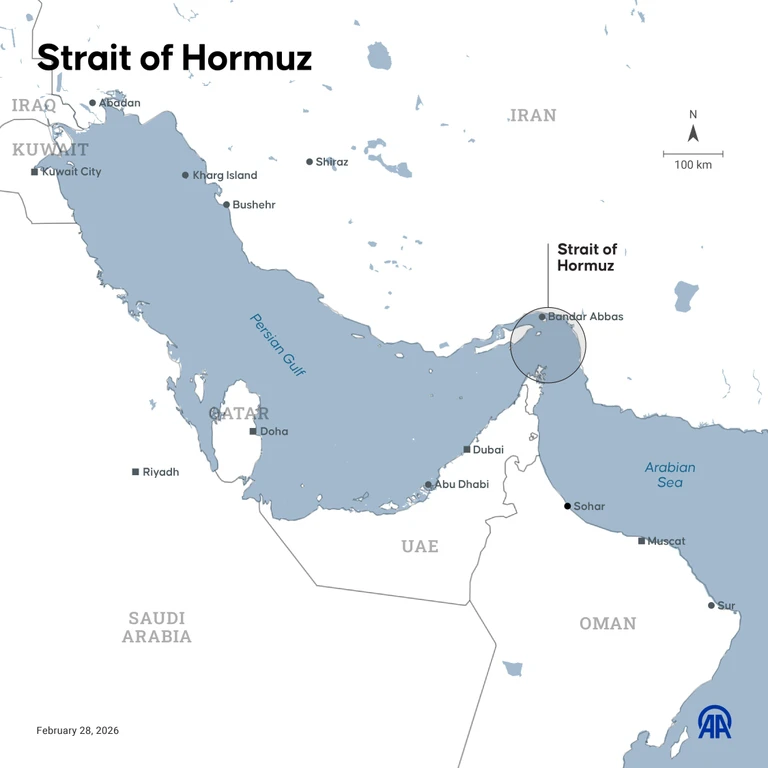
A successful mission may hinge on Iran’s willingness to back down, possibly leading to a ceasefire or strategic shift.