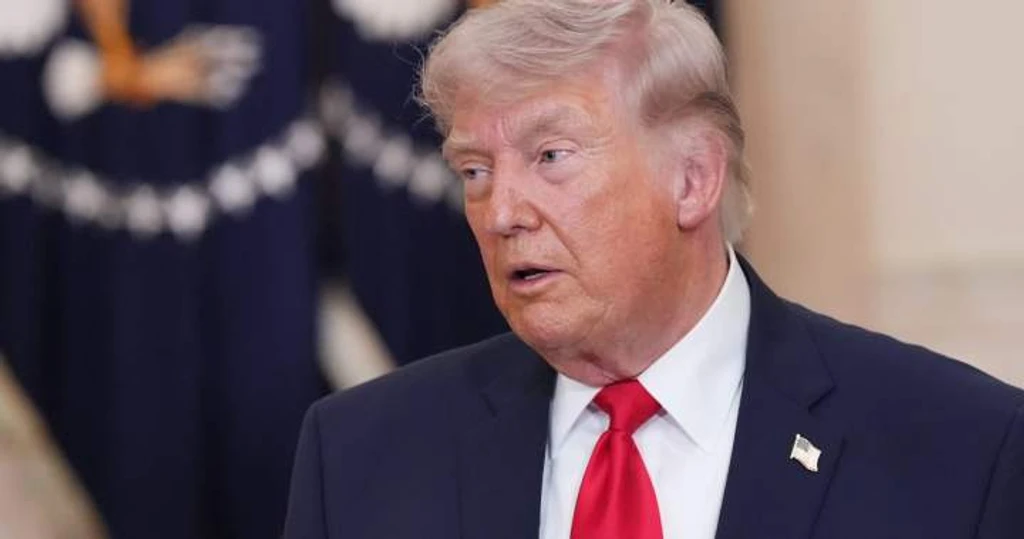
U.S. President Donald Trump signed an executive order imposing a 100% tariff on branded pharmaceuticals imported into the U.S., unless manufacturers agree to government drug pricing deals or commit to domestic production.
Large drugmakers have 120 days to avoid the tariff, while smaller firms have 180 days. Companies can reduce tariffs to 20% by moving production to the U.S.
Drugmakers with most-favored-nation (MFN) pricing agreements with the U.S. Department of Health and Human Services are exempt. So far, 17 companies have signed deals-13 finalized and four in negotiation.
Generic drugs are exempt for at least one year. Orphan, veterinary, and specialty drugs are also exempt if from trade agreement countries or meet urgent public health needs.
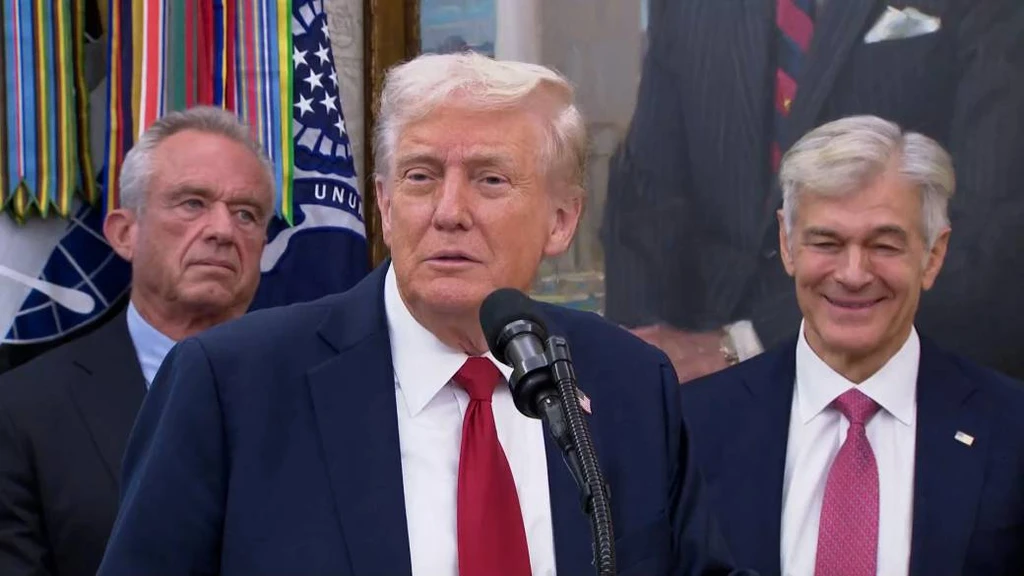
Trump also revised tariffs on steel, aluminum, and copper. Derivative products with less than 15% metal content are now duty-free. Products with over 15% metal content face a 25% tariff based on total import value.
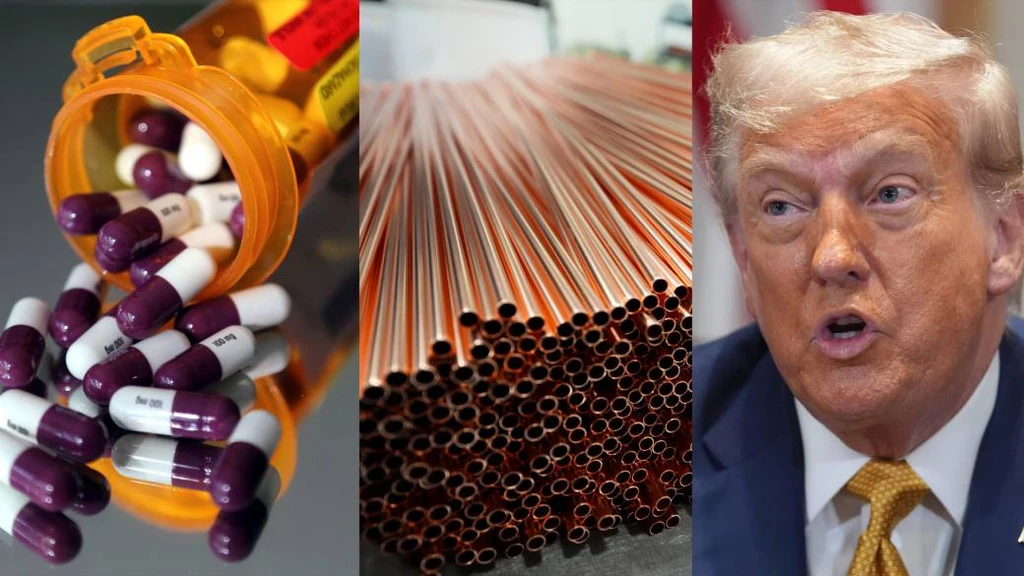
The changes aim to simplify compliance and reduce under-reporting of import values, while maintaining revenue neutrality.