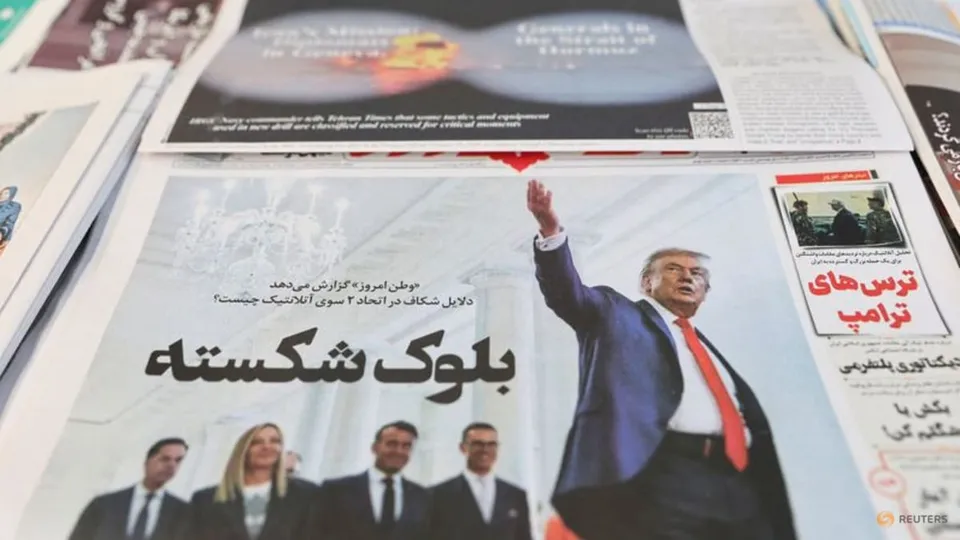
President Donald Trump is navigating a perilous foreign policy landscape, pushing the United States toward potential conflict with Iran while facing internal pressure to prioritize domestic economic concerns. The administration has ordered a significant military buildup in the Middle East, signaling preparations for potential air strikes against Iran, a move that risks diverting attention from issues like the rising cost of living, which polls indicate are top priorities for American voters.
Advisers are reportedly divided on the necessity of military action, with some urging caution to avoid sending a "distracted message" to undecided voters more focused on economic stability. This internal debate highlights the political tightrope Trump walks as his Republican party aims to retain control of Congress in the upcoming midterm elections.
Strategists warn that a prolonged conflict with Iran could alienate segments of Trump's base, which is skeptical of foreign entanglements and supported his campaign promise to end "forever wars." While some in the "Make America Great Again" movement favored decisive action in past foreign policy moves, engaging Iran, a more formidable adversary, could face significant pushback.
Trump's stated reasons for potential strikes have varied, from reacting to Iran's internal crackdown to demanding an end to its nuclear program. This perceived lack of clarity contrasts with past administrations' more defined justifications for military action. Independent voters, crucial in close elections, are expected to scrutinize Trump's handling of the Iran situation. The president's administration maintains that diplomacy remains the preferred path, emphasizing Iran's need to negotiate a deal and forgo nuclear weapons.