US and Israeli forces have conducted strikes targeting critical Iranian infrastructure, including steel plants, bridges, and pharmaceutical facilities. These actions follow President Donald Trump's pledge to target Iran's infrastructure unless an "acceptable" deal is reached to end the conflict.
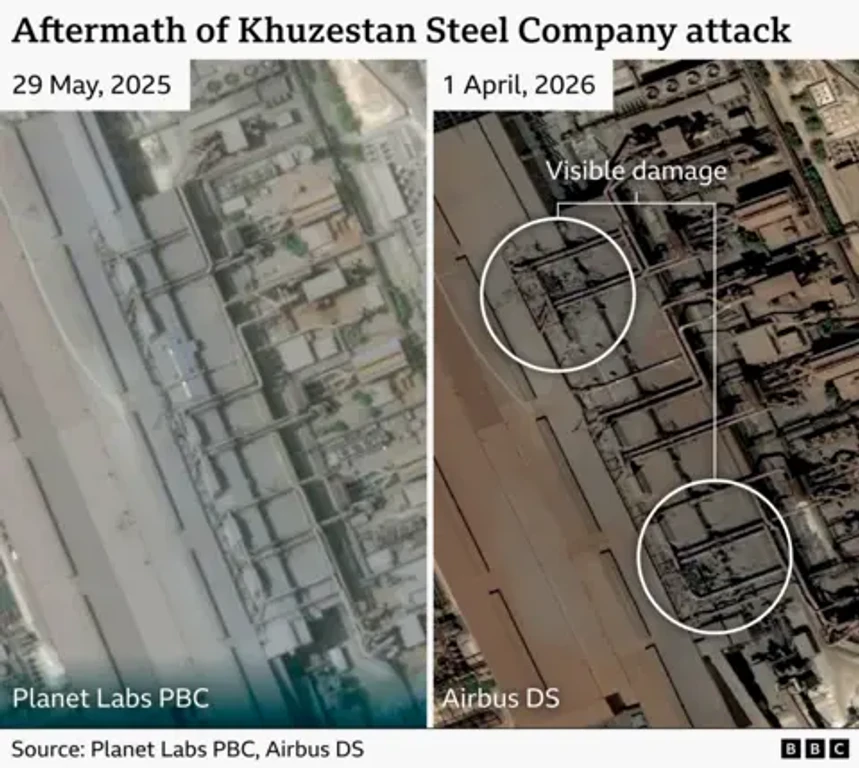
BBC Verify has confirmed strikes on at least two steel plants, three bridges, and a pharmaceutical plant over the past two weeks. Footage shows significant damage to bridges, including a large gap impacting transportation. Steel facilities like the Isfahan Mobarakeh Steel company and Khuzestan Steel Company have also been targeted, with potential long-term economic impacts. Israeli Prime Minister Benjamin Netanyahu claims these strikes have disrupted up to 70% of Iran's steel manufacturing.
Attacks on pharmaceutical companies, such as Tofigh Daru Research & Engineering Company, raise concerns for the healthcare system, potentially impacting access to essential medicines. Educational and religious sites, including Shahid Beheshti University, Sharif University of Technology, and the Husseinya Mosque, have also sustained damage. The IDF also reported bombing key parts of the Iranian railway network.
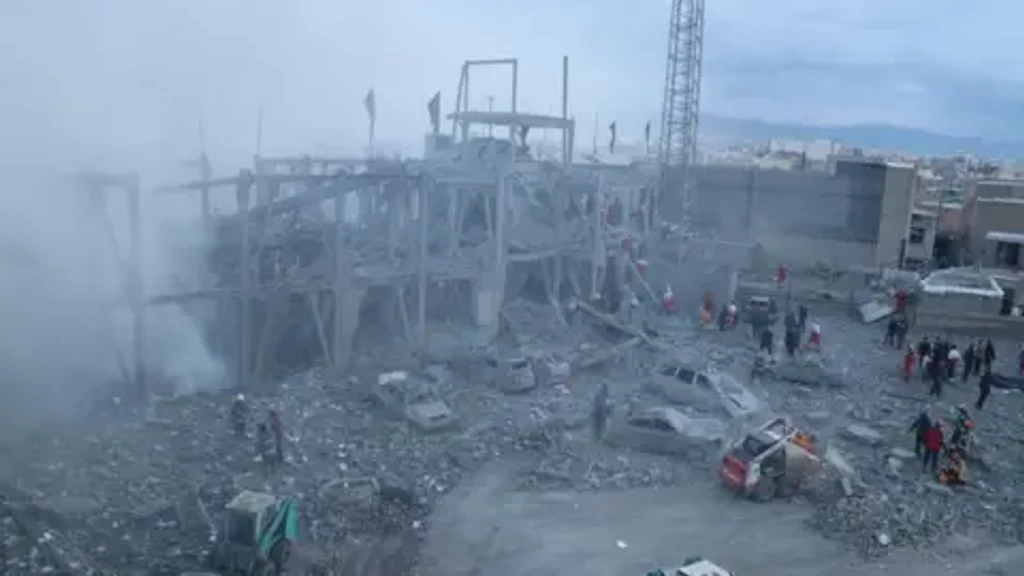
Legal experts and UN officials have raised questions about whether these strikes could amount to war crimes, citing international law that prohibits excessive harm to civilians. While some analyses suggest civilian harm has been clustered around military sites, UN officials emphasize that deliberately attacking civilians and civilian infrastructure is a war crime. President Trump has dismissed these concerns, stating that the greater war crime is allowing Iran to develop nuclear weapons.