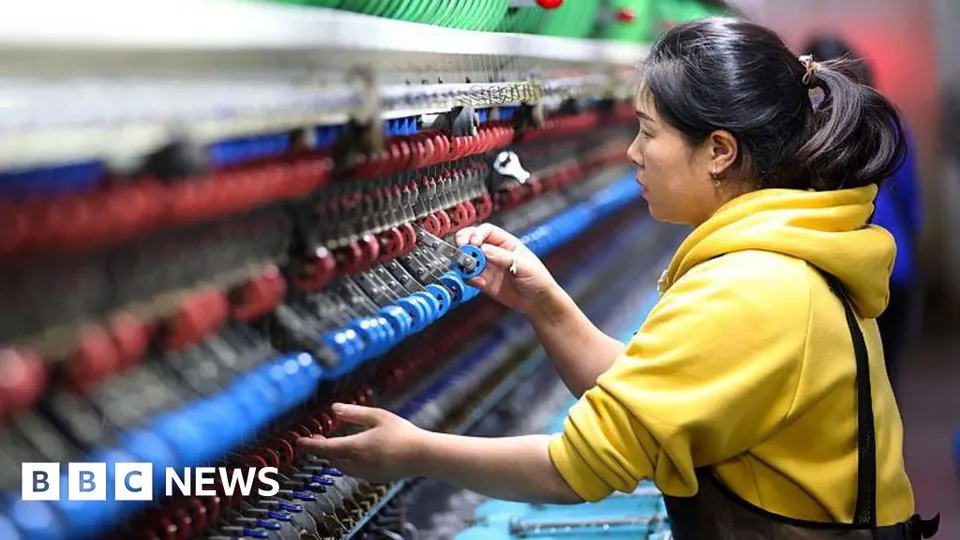
The US Supreme Court's decision to strike down a key component of President Trump's tariff regime has not brought relief to Asian businesses. Instead, exporters and manufacturers are navigating increased uncertainty regarding access to the American market.
Businesses that had prepared to enter the US market have been forced to pause plans due to the volatile trade policy. The tariffs, intended to reduce global dependence on China, now risk reinforcing Beijing's manufacturing dominance due to shifting US trade policy.
Following the Supreme Court ruling, President Trump quickly signed an executive order imposing a new 10% global tariff, with threats to increase it. This policy shift leaves companies in Asian production networks facing critical investment decisions without clear guidance.

Exporters have already experienced higher costs and order renegotiations from initial tariff announcements. The inability to predict final costs makes pricing products challenging, leading companies to focus on efficiency and market diversification beyond the US.
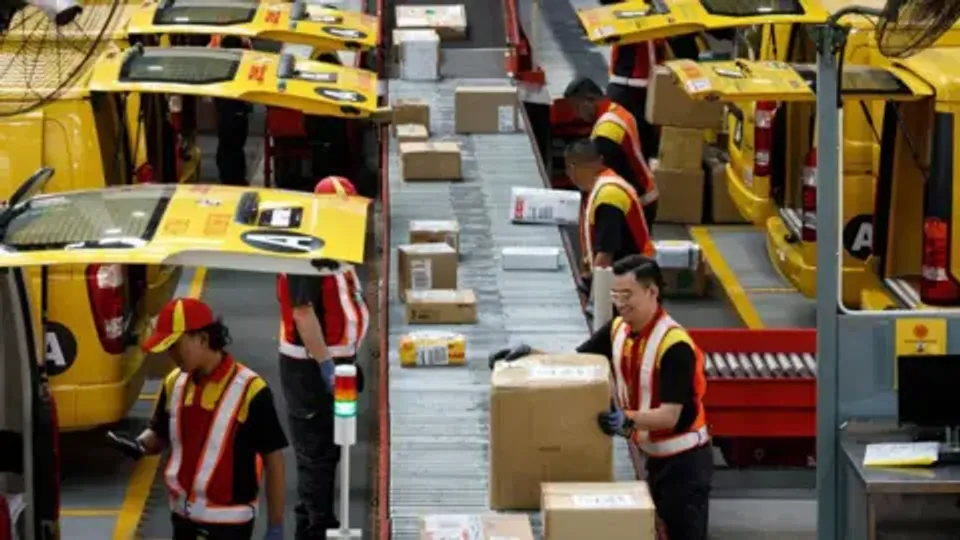
Logistics giants report a more complex operating environment as businesses navigate evolving tariff rules. While the Supreme Court ruling halted some levies, others remain in place, leaving operational questions unresolved. Companies are monitoring legal developments closely, but predicting shipping volume changes remains difficult as supply chains adjust slowly.
China's position as a manufacturing hub remains critical, with "country of origin" rules still applying regardless of company headquarters. This makes it difficult for businesses to circumvent Chinese supply chains, especially as Chinese manufacturers are raising prices due to reduced US demand.
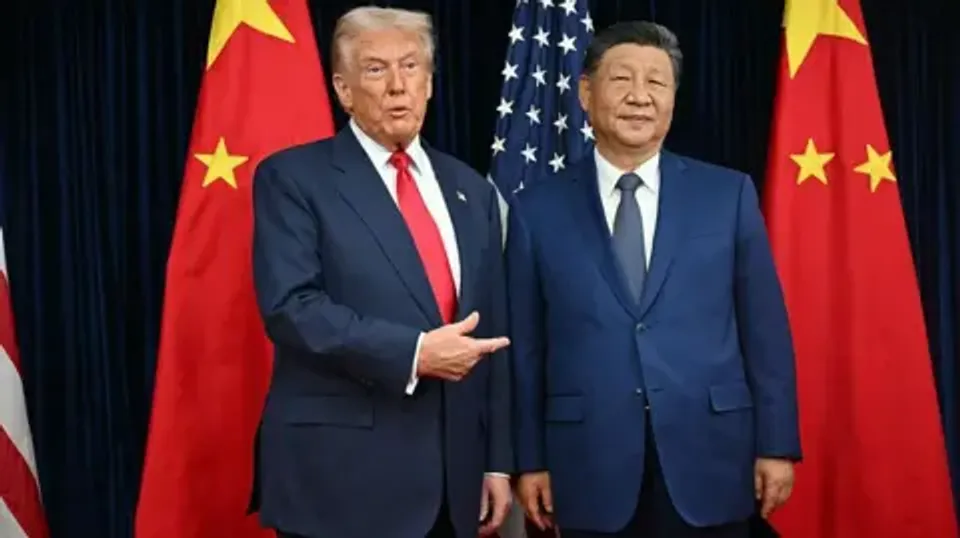
President Trump's upcoming visit to China adds another layer of potential uncertainty. While the immediate tariff burden may have eased for some, the shifting legal landscape increases the risk of more targeted trade actions. The unpredictable nature of tariff rules is forcing Asian companies to reshape supply chains and explore new markets, accepting increased uncertainty as the new normal.