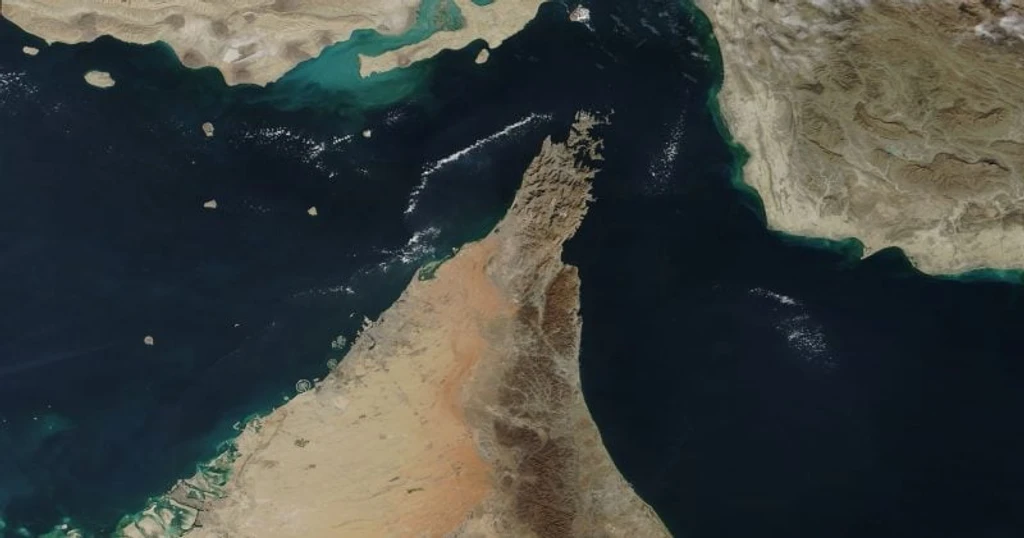
US Central Command struck roughly 90 Iranian military sites along Iran's coastline near the Strait of Hormuz on July 7, 2026. This marks the most significant direct US military action against Iran in recent memory, targeting one of the world's most critical energy chokepoints.
The operation was a direct response to Iranian attacks on three commercial vessels transiting the Strait on July 6-7, which breached a June 2026 ceasefire.
CENTCOM targeted over 80 military positions, including air defense systems, radar, command networks, and anti-ship missile sites. More than 60 small boats belonging to Iran's Islamic Revolutionary Guard Corps were also hit. Strategic locations on Qeshm Island, Bandar Abbas, and Sirik were struck.
Iran claimed it retaliated by targeting approximately 85 US military sites in Bahrain and Kuwait. US officials reported no significant casualties or damage to their facilities.
Prior US strikes in March 2026 deliberately spared Iranian oil infrastructure. The US has already reimposed sanctions on Iranian oil sales, affecting global supply at a time of scrutiny over OPEC+ production decisions.
The current conflict traces back to military engagements beginning in 2025. What started as proxy skirmishes has evolved into direct confrontation. The US strategy appears focused on degrading Iran's ability to harass commercial shipping.
For crypto investors, the reimposed sanctions affect not just crude markets but also Iran's shadow financial networks, which have historically intersected with crypto infrastructure. This could lead to heightened regulatory scrutiny on exchanges and DeFi protocols dealing with sanctioned jurisdictions.