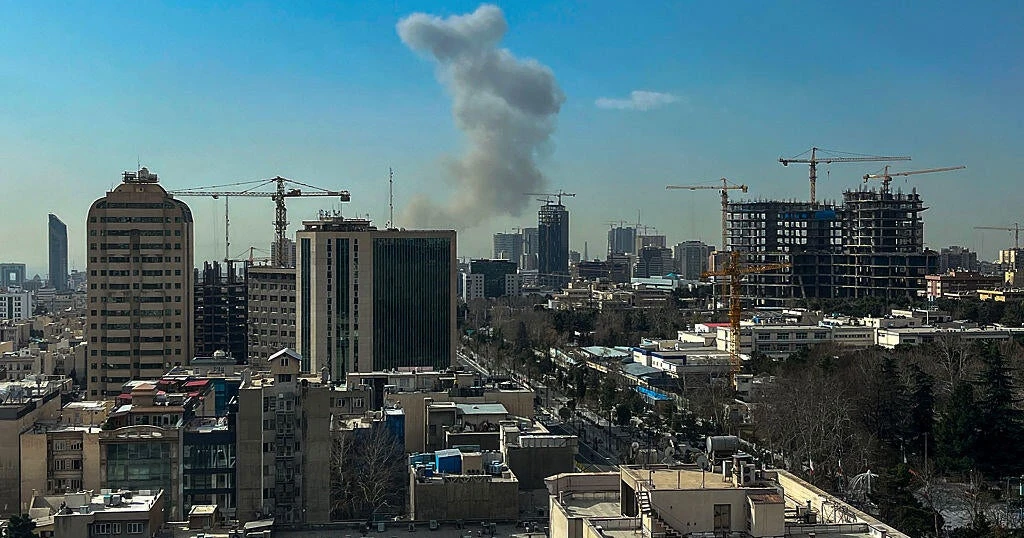
International reaction poured in Saturday following joint U.S.-Israeli strikes on Iran. European Union leaders described the situation as "grave" and "perilous," with European Commission President Ursula von der Leyen urging maximum restraint and respect for international law. The EU's foreign policy chief stated the bloc is coordinating with Arab partners to explore diplomatic paths and keep maritime corridors open.
Russia condemned the strikes, warning of a "humanitarian, economic, and potentially even radiological disaster" and calling for a return to a political and diplomatic track. The United Kingdom, which did not participate in the attack, stated Iran must never develop nuclear weapons and convened an emergency meeting to protect its regional interests.
French President Emmanuel Macron warned of "grave consequences for international peace and security" and called for an immediate end to the escalation, urging Iran to engage in good-faith negotiations on its nuclear and ballistic programs.
Canada's Prime Minister Mark Carney reiterated support for U.S. actions to prevent Iran from obtaining nuclear weapons, while Oman's foreign minister, acting as a mediator, expressed dismay that "active and serious negotiations" were undermined, urging the U.S. not to be drawn further into the conflict.
Kuwait and Qatar condemned what they termed "heinous Iranian attacks" and "brazen aggression," reaffirming their right to self-defense while also calling for dialogue and de-escalation to preserve regional stability.