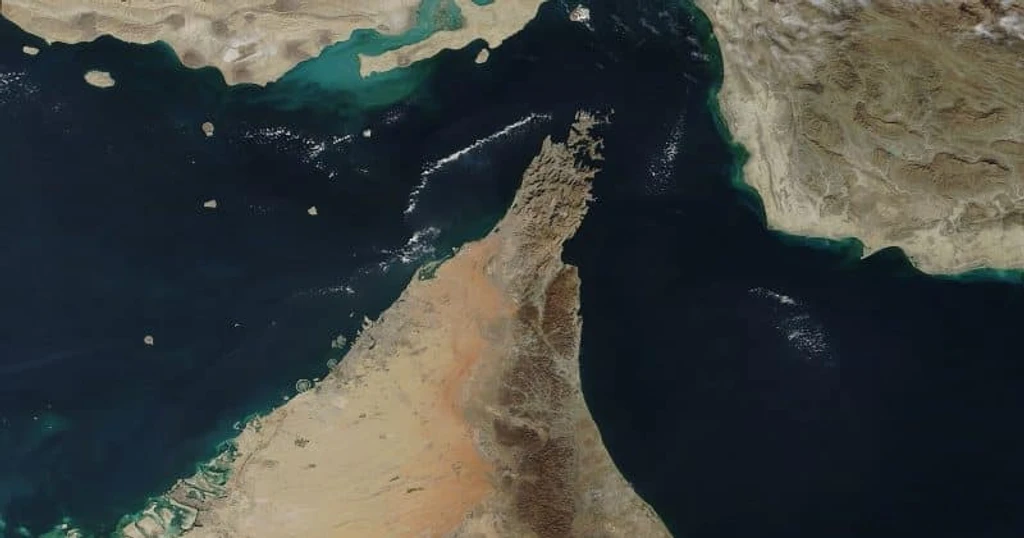
A diplomatic framework achieved on June 14, 2026, has de-escalated the military conflict between the United States and Iran, setting the stage to reopen the Strait of Hormuz.
The agreement, brokered with critical mediation from Pakistani Prime Minister Shehbaz Sharif and Qatari negotiators, will be formally signed around June 19 in Switzerland. It marks the highest level of direct communication between the two nations since 1979.
The framework outlines four key pillars: a 60-day ceasefire extension, an end to the US naval blockade on Iranian ports, toll-free commercial passage through the Strait, and a cessation of violence in Lebanon. In exchange, Washington secured a dedicated negotiation period focused on dismantling Iran’s highly enriched uranium stockpile.
President Trump confirmed the Strait’s reopening, with a concrete benchmark to restore full prewar shipping conditions within 30 days of the formal signing. The crisis began with US and Israeli strikes on Iran in late February 2026, prompting Tehran to restrict the critical chokepoint, through which roughly 20% of the world’s oil transits.
Energy markets immediately reacted to the news, with oil prices dropping as traders priced in the resumption of safe tanker traffic. Equity markets trended positively on reduced geopolitical risk. The most difficult question, Iran’s long-term nuclear ambitions, has been deferred to the 60-day negotiation window, leaving a potential trigger for future volatility.