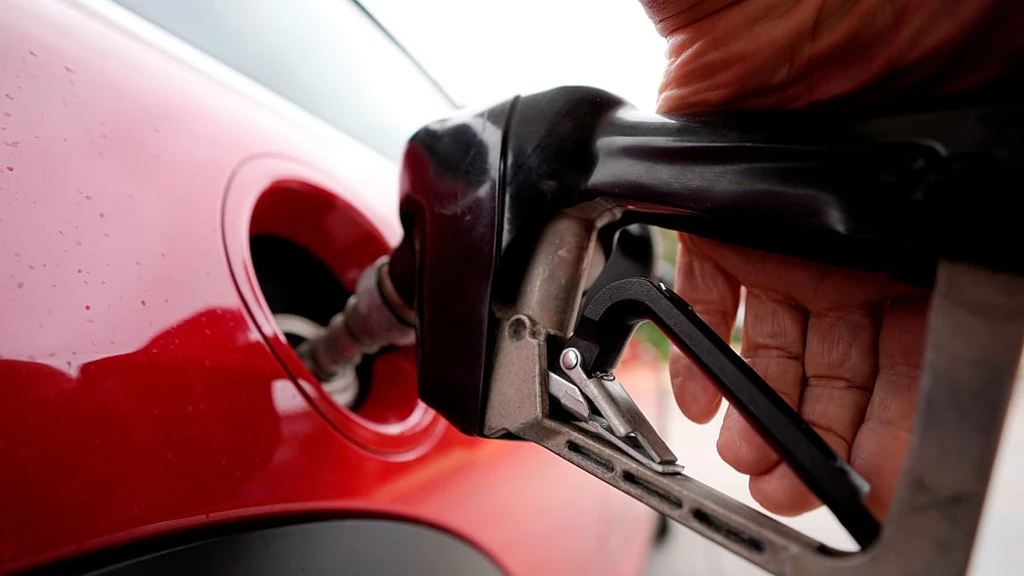
US consumer prices rose sharply in April as the 10-week Iran war pushed energy costs higher. The Labor Department reported a 3.8% year-over-year increase in the consumer price index, with gasoline surging 5.4% from March.
Gas prices are up more than 28% from a year ago, with the national average above $4.50 per gallon, according to AAA. Excluding volatile food and energy, core prices rose 0.4% from March and 2.8% from April 2025-suggesting the energy shock has yet to spill over broadly.
Grocery prices rose 0.7% from March to April, driven by higher meat costs. Adjusted for inflation, average hourly wages fell 0.3% from a year earlier-the first year-over-year drop in three years.
"Inflation is the key drag on the US economy now," said Heather Long, chief economist at Navy Federal Credit Union. "There is a real financial squeeze under way."
Inflation had been declining since peaking at 9.1% in June 2022. But the US and Israeli attack on Iran on February 28 triggered Tehran's blockade of the Gulf of Hormuz, through which 20% of the world's oil passes, sending energy prices soaring.
The Fed, which was expected to cut rates in 2026, has turned cautious. President Trump has criticized outgoing Chair Jerome Powell for not slashing rates. Kevin Warsh, Trump's pick to succeed Powell, faces Senate confirmation this week.
Whirlpool, maker of KitchenAid and Maytag, reported a nearly 10% revenue drop last quarter, citing a "recession-level industry decline" from the war.
Grace King, 31, of Ames, Iowa, said higher prices at the grocery store and pump have forced her to stop buying clothes. "There's pressure basically everywhere," she said.