US President Donald Trump’s personal envoy Steve Witkoff and Iranian Foreign Minister Abbas Araqchi are en route to Switzerland for high-stakes negotiations. These discussions aim to convert a recent interim 14-point pact into a permanent agreement ending the regional conflict launched on February 28.
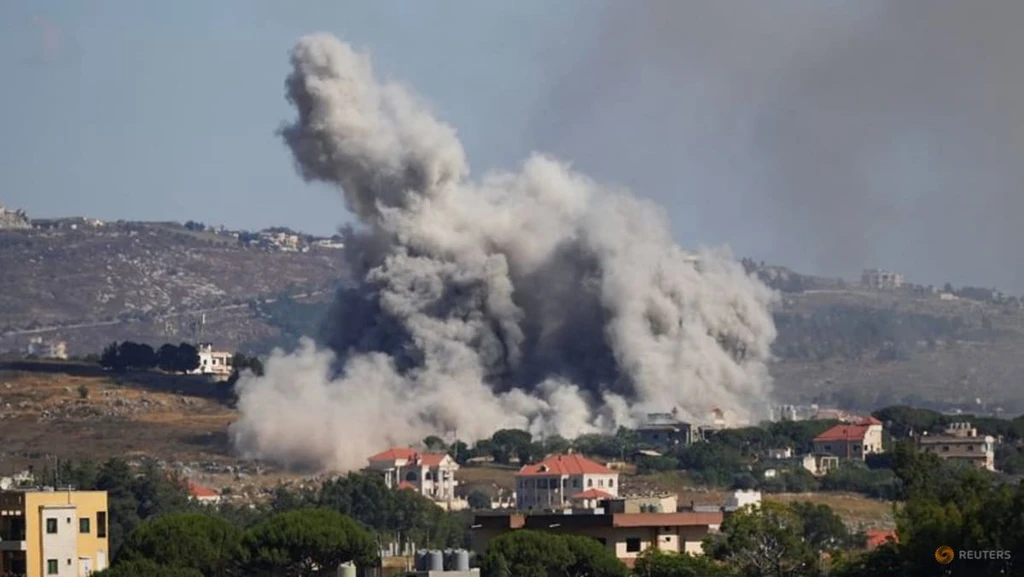
The diplomatic push faces immediate challenges. Just hours after a ceasefire took effect between Israel and Hezbollah in Lebanon, Israeli airstrikes and drone attacks killed at least five people in the Nabatieh area. Lebanese state media reported that warplanes destroyed residential buildings overnight, testing the truce required to sustain the 60-day negotiation window.
Witkoff will join Jared Kushner in Switzerland, while Vice President JD Vance cancelled his planned attendance amid rising tensions. The Swiss Foreign Ministry confirmed it remains ready to facilitate the talks despite the violence. Israel has stated it is not party to the interim deal and did not immediately comment on the latest strikes.
Stability in Lebanon is a prerequisite for resolving disputes over Iran’s nuclear program and reopening the Strait of Hormuz. The waterway carries nearly one-fifth of global crude oil and LNG supplies. Following the interim agreement, Brent crude fell approximately eight percent this week as shipments resumed and Iran waived transit fees during negotiations.
The proposed framework includes sanctions relief, asset unfreezing, and a $300 billion reconstruction fund for Iran. President Trump defended the strategy against domestic criticism, asserting on social media that Iran negotiated from a position of weakness. Secretary of State Marco Rubio is now coordinating separate Israel-Lebanon negotiations in Washington to solidify the comprehensive ceasefire necessary for broader regional stability.