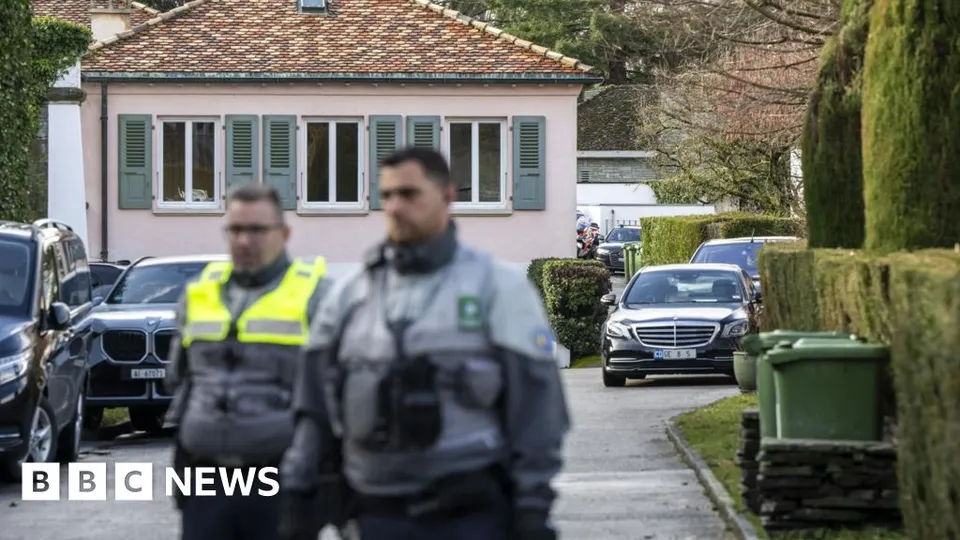
US and Iranian officials are set to meet in Geneva for a third round of indirect talks concerning Iran's nuclear program. This comes as President Donald Trump threatens military action if a deal isn't reached, amidst the largest US military buildup in the Middle East since 2003. These discussions are viewed as a final attempt to avert conflict, though the likelihood of an agreement remains uncertain.
While President Trump has expressed a preference for diplomacy, he has also indicated consideration of limited strikes to pressure Iran's leadership. The specifics of US demands and the rationale for immediate military action, eight months after previous US airstrikes on Iranian nuclear facilities, are not fully clear. Iran has rejected US demands to cease uranium enrichment but has shown some willingness to offer concessions regarding its nuclear activities.
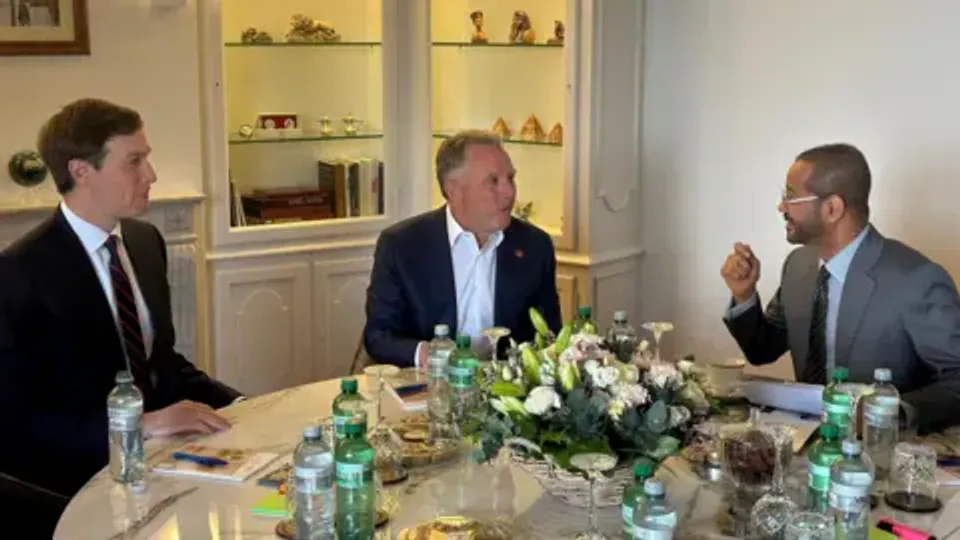
The previous rounds of talks, mediated by Oman, saw Iranian Foreign Minister Abbas Araghchi leading their delegation, with US Special Envoy Steve Witkoff and Jared Kushner representing the US. Recent US deployments to the region include thousands of troops and an "armada" of warships and aircraft. Trump's focus has shifted to Iran's nuclear program, a long-standing dispute with the West, following the brutal repression of anti-government protests in Iran.
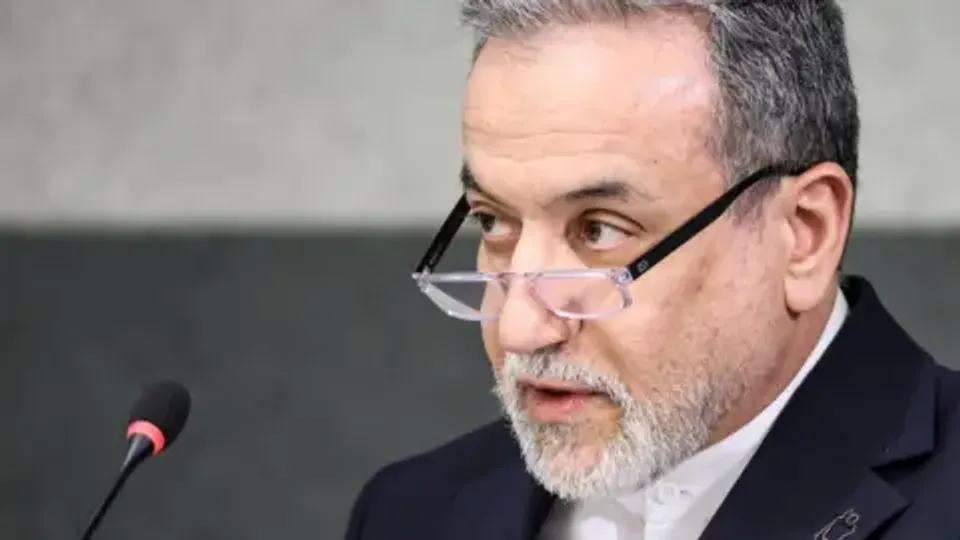
Iran maintains its nuclear program is for peaceful purposes, though it is the only non-nuclear state enriching uranium to near weapons-grade levels. Iran's Foreign Minister has stated Iran "will under no circumstances ever develop a nuclear weapon" and sees an "historic opportunity to strike an unprecedented agreement." Potential discussion points include a regional uranium enrichment consortium and managing Iran's stockpile of highly enriched uranium, with Iran expecting sanctions relief in return. However, Iran has resisted discussions on its ballistic missile program and regional proxy support.