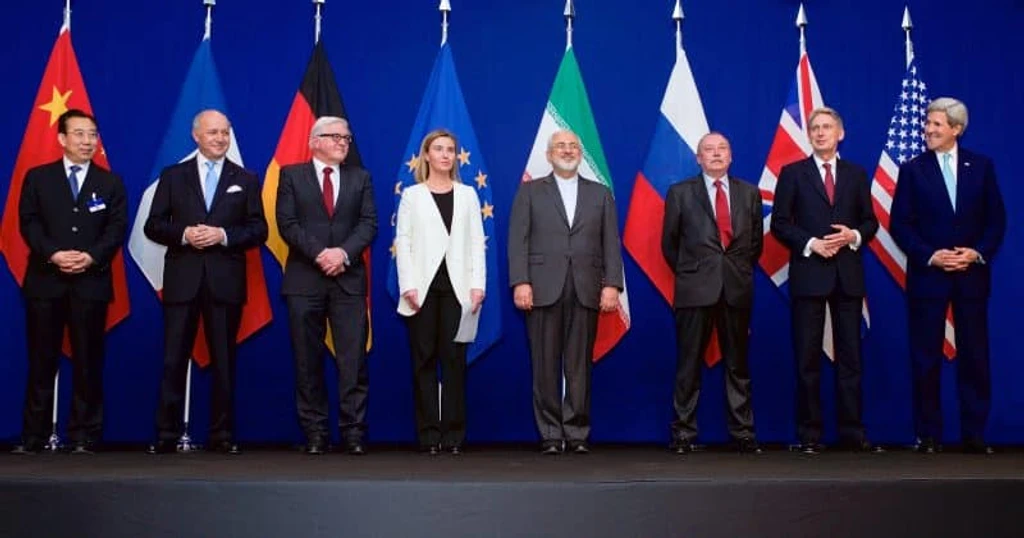
The United States and Iran have crafted a preliminary memorandum of understanding focused on permanently preventing Iran from developing or acquiring nuclear weapons. The MOU, reached in June 2026, follows elevated tensions from the 2025 conflict.
President Trump, Vice President JD Vance, and Defense Secretary Pete Hegseth have each stated the agreement guarantees Iran will not attain nuclear weapon capabilities.
The framework compels Iran to abandon nuclear weapons development and ensures the Strait of Hormuz remains open to international shipping. Negotiations over highly enriched uranium stockpiles and verification mechanisms will continue over the next 60 days. Iran has reportedly rejected some US proposals and submitted counteroffers, leaving a final signed deal unconfirmed.
This effort succeeds the Joint Comprehensive Plan of Action, which expired in October 2025 after snapback sanctions and non-compliance accusations. The current MOU incorporates stricter stipulations from 2026 talks.
US sanctions have targeted Iranian digital asset infrastructure, including the Nobitex exchange. Nearly $1 billion tied to sanctions evasion has been seized in a crackdown on Iranian crypto activity.
A successful resolution could push oil prices below $80 per barrel by removing geopolitical risk premiums from the Strait of Hormuz chokepoint. The 60-day window creates a binary event risk: a deal could spark a risk-on rally, while a breakdown could reignite market-weighing geopolitical tensions.