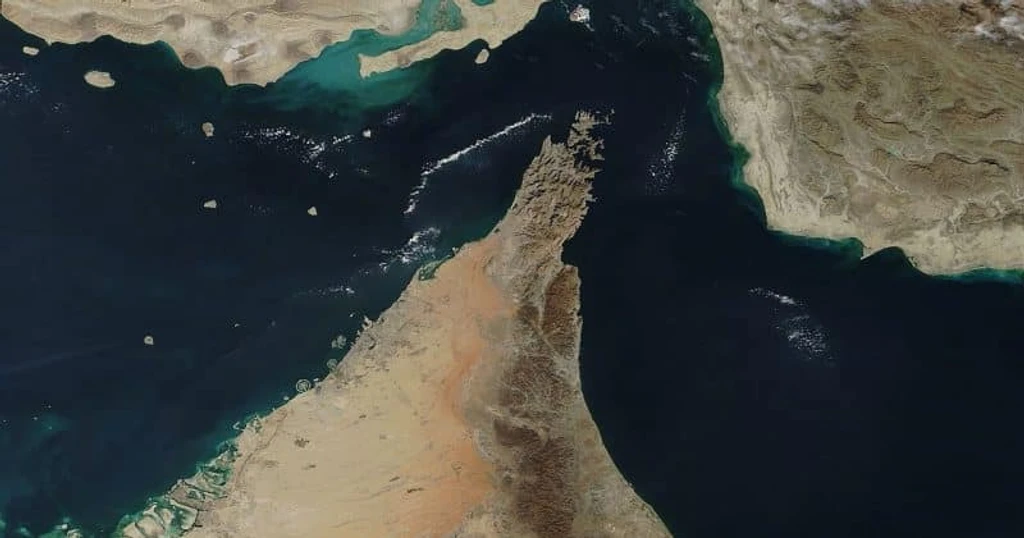
The Strait of Hormuz, the narrow waterway between Iran and Oman that historically carries roughly 20% of the world’s oil, is set to reopen under a tentative US-Iran agreement signed around June 19, 2026. The deal envisions restoring normal shipping traffic within approximately 30 days.
The crisis traces back to February 28, 2026, when US-Israel strikes on Iran triggered a rapid escalation. The US imposed a naval blockade on the strait, and Iran responded with its own control measures, effectively choking off the most important oil transit corridor on the planet.
A ceasefire established in April 2026 provided a fragile foundation for negotiations. The memorandum of understanding that emerged from those talks includes provisions for lifting the US naval blockade and releasing approximately $24 billion in frozen Iranian funds upon achieving specified milestones. President Trump has referred to the strait as “permanently toll-free” under the new agreement.
Since April 2026, Iran imposed crypto-based fees on vessels transiting the strait, charging roughly $1 per barrel of oil or up to $2 million per ship. Payments were accepted in Bitcoin, Tether, or Chinese yuan. The agreement’s milestone-based structure aims to dismantle this system.
European leaders have emphasized the urgency of comprehensive implementation, pushing for unconditional access to the strait. Global oil prices declined following the announcement. The conflict had forced shippers into longer, more expensive routes around Africa, inflating transportation costs and contributing to inflationary pressure worldwide.