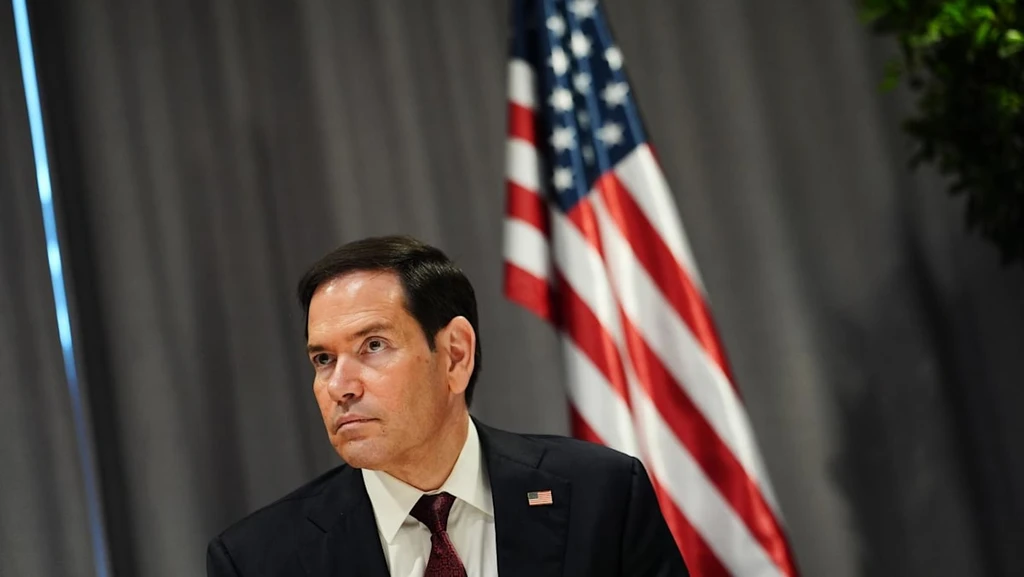
WASHINGTON - The United States has seen some progress toward a deal with Iran, but more work is required, Secretary of State Marco Rubio said Friday as diplomatic efforts intensify to end the conflict roiling the global economy.
"There's been some progress. I wouldn't exaggerate it. I wouldn't diminish it," Rubio told reporters after a NATO ministers meeting in Sweden. "There's more work to be done. We're not there yet. I hope we get there."
Key sticking points remain, notably over Iran's enriched uranium stockpile and control of the Strait of Hormuz. Rubio reiterated that Iran's proposed tolling system for the waterway, through which a fifth of the world's oil and liquefied natural gas flows, is “unacceptable."
"We're dealing with a very difficult group of people, and if it doesn't change, then the president's been clear he has other options," Rubio said.
Qatar sent a negotiating team to Tehran Friday, working in coordination with the United States, a source told Reuters. Pakistan's interior minister also held talks in Tehran with Iran's foreign minister.
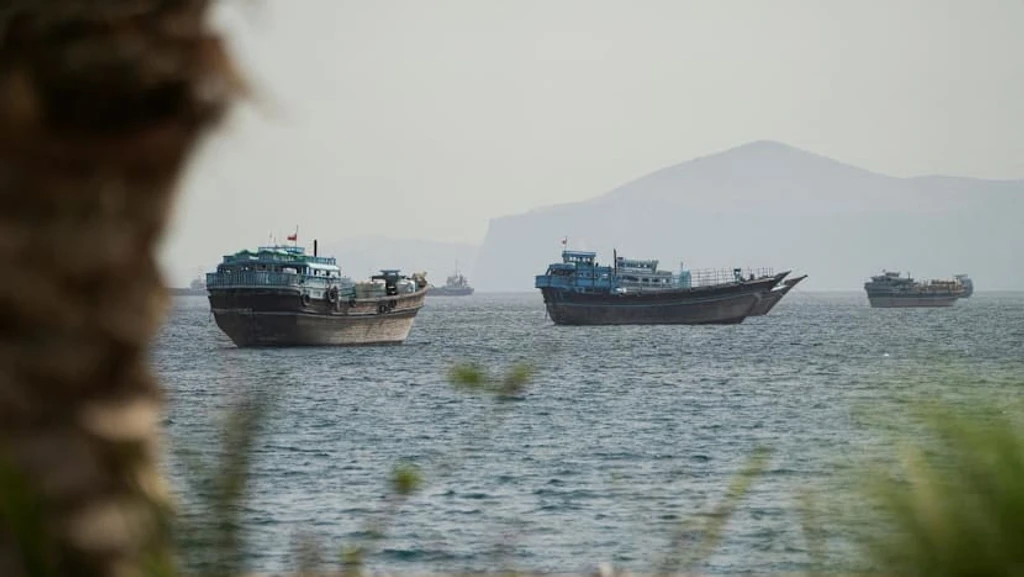
Vessels sail through the Strait of Hormuz, Musandam, Oman, May 22, 2026.
The war has wreaked havoc on global markets, with oil prices surging and the U.S. dollar near a six-week high amid uncertainty over the peace talks. President Donald Trump faces domestic pressure ahead of November midterm elections as Americans grow angry over fuel prices.
Tehran submitted its latest offer this week, which according to Iranian descriptions largely repeats terms Trump previously rejected, including full control of the Strait of Hormuz, compensation for war damage, and withdrawal of U.S. troops. Iran has retained its near-weapons-grade enriched uranium stockpile despite U.S. demands to surrender it.