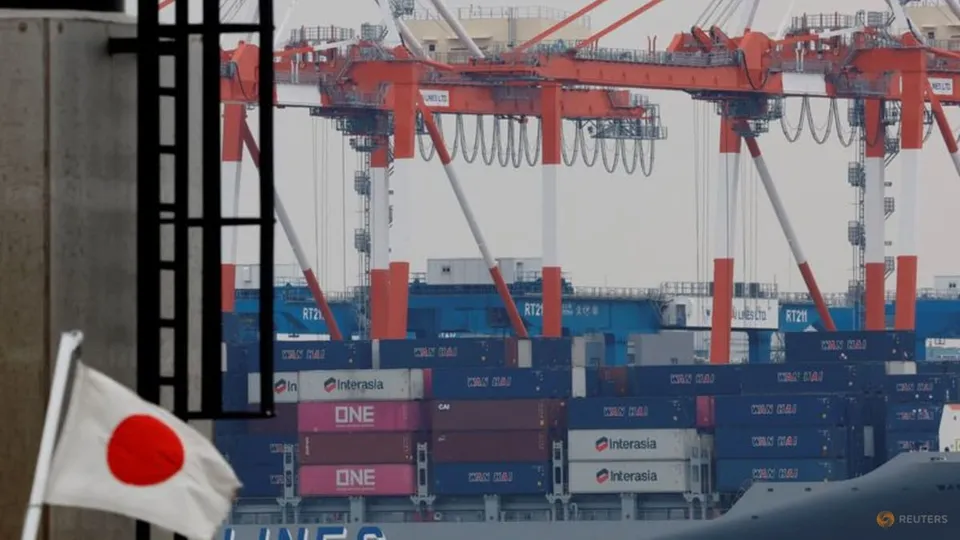
US trading partners in Asia are facing fresh uncertainties after President Donald Trump vowed to impose a new tariff on imports, just hours after the Supreme Court struck down many of the sweeping levies he previously used to launch a global trade war.
The court's ruling invalidated a number of tariffs imposed by the Trump administration on Asian export powerhouses, including China, South Korea, Japan, and Taiwan.
Within hours, Trump announced a new 10 percent duty on US imports from all countries, set to begin Tuesday for an initial 150 days under a different law. Analysts warn this could lead to further confusion for businesses and investors.
In Japan, officials stated they are examining the ruling and the US administration's response to determine appropriate action. China, preparing to host Trump, has not yet formally commented, but a senior financial official in Hong Kong described the US situation as a "fiasco," highlighting Hong Kong's "unique trade advantages" and "predictability" for global investors.
Trade policy monitors indicate the Supreme Court's ruling significantly cuts the average US tariff rate. However, the uncertainty persists as trading nations anticipate further moves by the US to implement new levies.
European Union trade officials are closely analyzing the ruling and seeking clarity from the US administration on their next steps, emphasizing the need for "stability and predictability" in trade. Neighboring countries like Germany and France are also seeking clarifications.
Britain expects its "privileged trading position with the US to continue," while Canada's Trade Minister noted that while the ruling reinforces their position that previous levies were "unjustified," sector-specific tariffs impacting key industries remain in force.
Mexico, heavily reliant on exports to the US, is studying the potential effects of the newly announced general tariff.