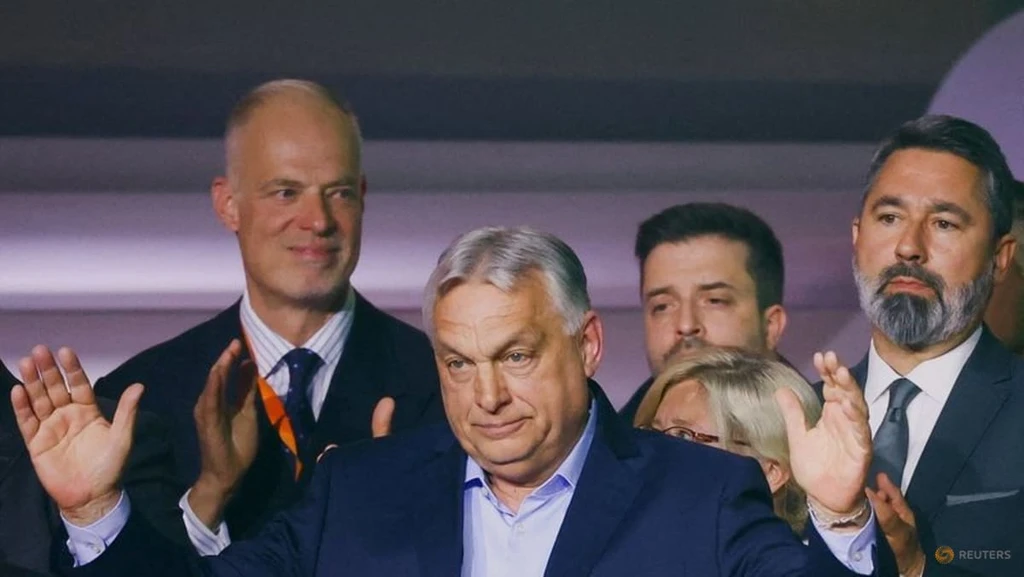
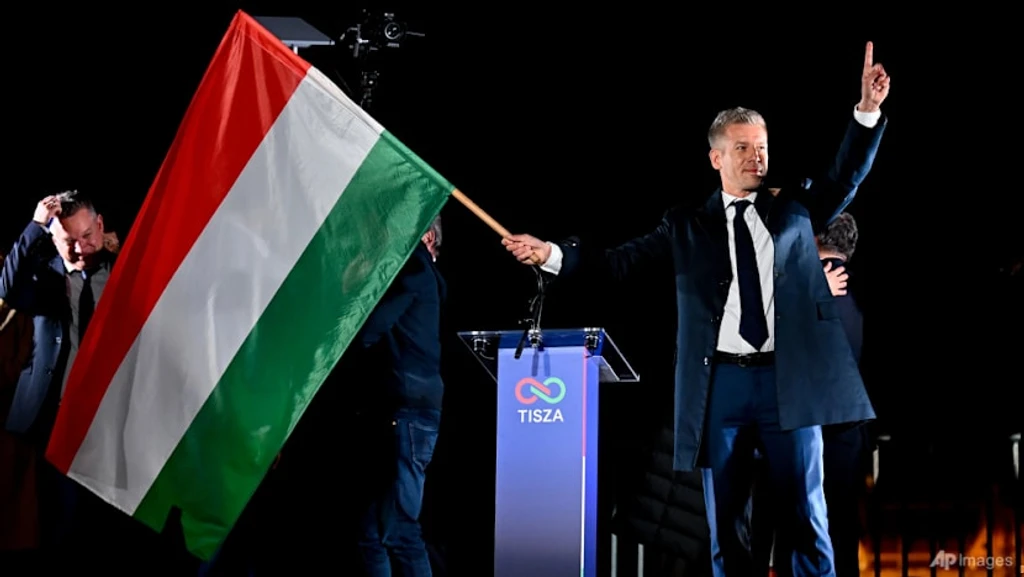
Hungary's consequential election has delivered a significant victory for democracy and accountability. Opposition leader Peter Magyar's emphatic defeat of Prime Minister Viktor Orban and his Fidesz Party ends 16 years of corruption and quasi-authoritarianism, with repercussions felt from Moscow to Washington.
Magyar's victory in a contest framed as a choice between aligning west or continuing an authoritarian drift, serves as a rebuke to nativism and divisive politics. The record turnout of over 74% and Magyar's Tisza party securing a two-thirds supermajority were surprising, but perhaps less so than Orban's immediate concession, avoiding potential street protests.
Magyar's Tisza party holds a crucial supermajority in parliament, essential for dismantling Orban’s authoritarian state structures. Orban's rule, characterized by gerrymandering and state fund diversion, was also enabled by a fragmented opposition. Voters ultimately rejected a government that masked inability to deliver a better future with blame and victimhood narratives, especially as Hungary faced corruption, economic stagnation, and wealth inequality.
The election outcome is a clear setback for Vladimir Putin, whose efforts to influence the vote through Russian political technologists failed. Orban's government had been a staunch pro-Kremlin voice in the EU, frequently obstructing aid to Ukraine. Revelations of Hungarian officials leaking confidential EU discussions to Moscow further highlighted this.
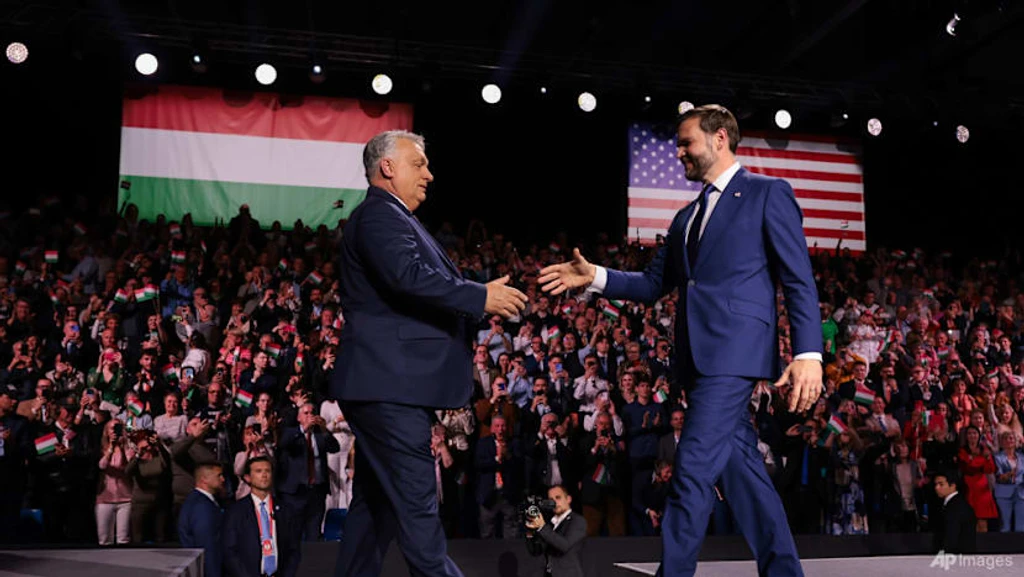
Donald Trump is also a loser, following his public endorsement of Orban. His administration's view of Europe needing US intervention to "cultivate resistance" has been publicly challenged. The broader movement of "Putinisation of global politics," which found a hub in Hungary for ultraconservative dialogue, has been repudiated.
China, viewing Hungary as an EU entry point, will also be watching closely to see if Magyar sacrifices lucrative investments for European alignment. The EU and Ukraine, however, welcome the news. Yet, with upcoming US midterm elections, far-right politicians will study Hungary's lessons, potentially leading to a more hardline approach if Orban's model is deemed too soft.