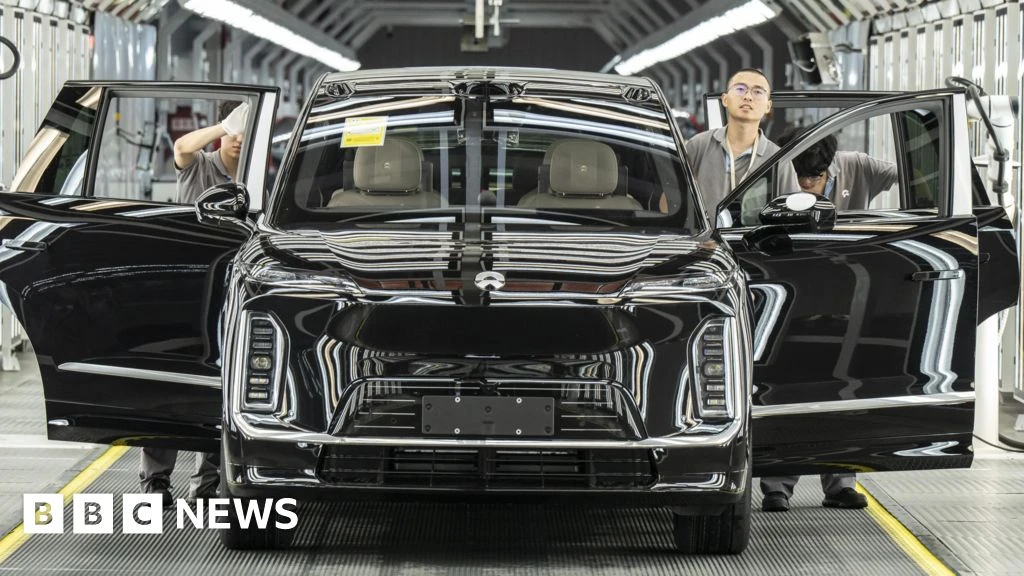
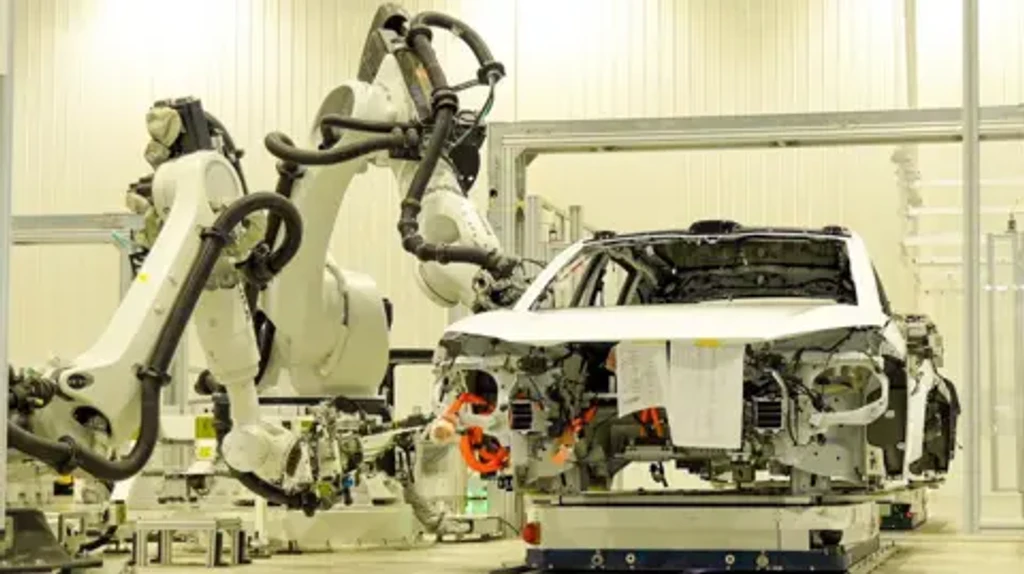
Global carmakers are facing a reckoning as US, European and Japanese brands lose ground to Chinese rivals, who are now setting the pace in electric vehicles, batteries, design, and software. The BBC visited factory floors in Beijing and Hefei during Auto China 2026, finding striking automation and software development speed that has left foreign brands struggling.
"We have no chance against this," Honda chief executive Toshihiro Mibe told Japanese media after visiting a highly automated factory in Shanghai. Ford CEO Jim Farley has also warned that Western carmakers are "in a fight for our lives" as Chinese rivals expand globally.
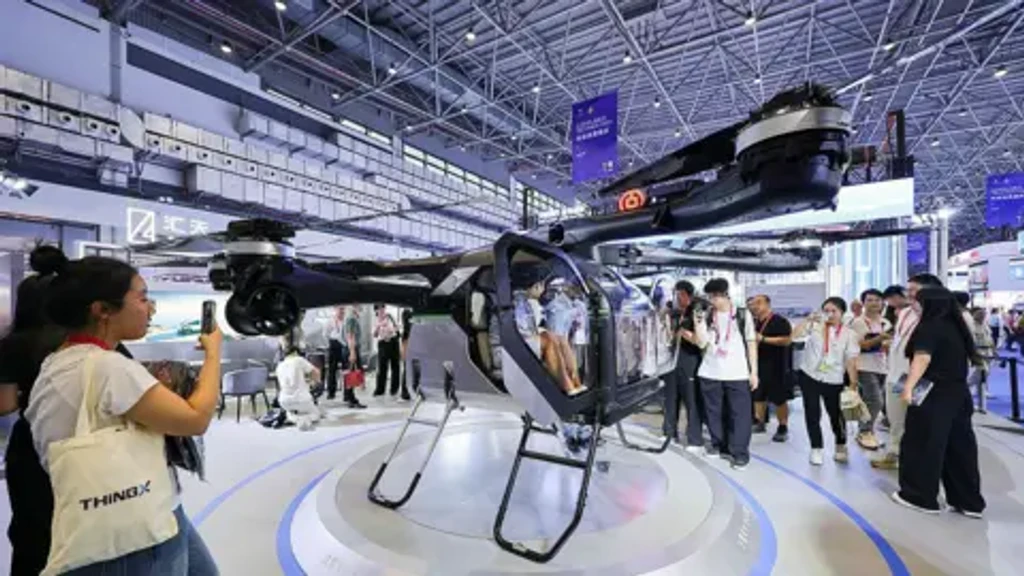
Analyst Bill Russo calls the shift "the biggest mistake the developed world is making" - believing the transition is only about electric cars when it's really about "who will lead the next generation of mobility technology."
China's dominance extends across 315 product export categories, many linked to EV supply chains. The International Energy Agency estimates it's 30% cheaper to build a small electric SUV in China than in advanced economies, due to lower battery costs and elaborate supply chains. Rhodium Group says China has channeled tens of billions of dollars into EV and battery manufacturing.
Tech giants like Xiaomi, Huawei, and Alibaba are now making EVs, bringing consumer technology into the industry. At Xiaomi's EV factory outside Beijing, a car rolls off the line every 76 seconds. Nio's Hefei plant is nearly fully automated. BYD has developed ultra-fast charging that adds 400km of range in five minutes. XPeng's CEO told the BBC its future includes humanoid robots and flying cars.
Foreign brands' share of China's car market has plummeted from 64% in 2020 to 32% today, hitting General Motors and German manufacturers that once relied on China for profits. Huawei's Maextro S800 luxury sedan now outsells Porsche Panamera and BMW 7-series combined in the country.
Foreign carmakers are changing their approach. Stellantis signed a $1.16 billion deal with state-backed Dongfeng to produce Peugeot and Jeep in China for domestic and export markets. Volkswagen is paying $700 million for access to XPeng's software architecture and autonomous driving systems. Toyota, Hyundai, Ford, and Nissan are expanding R&D in China.
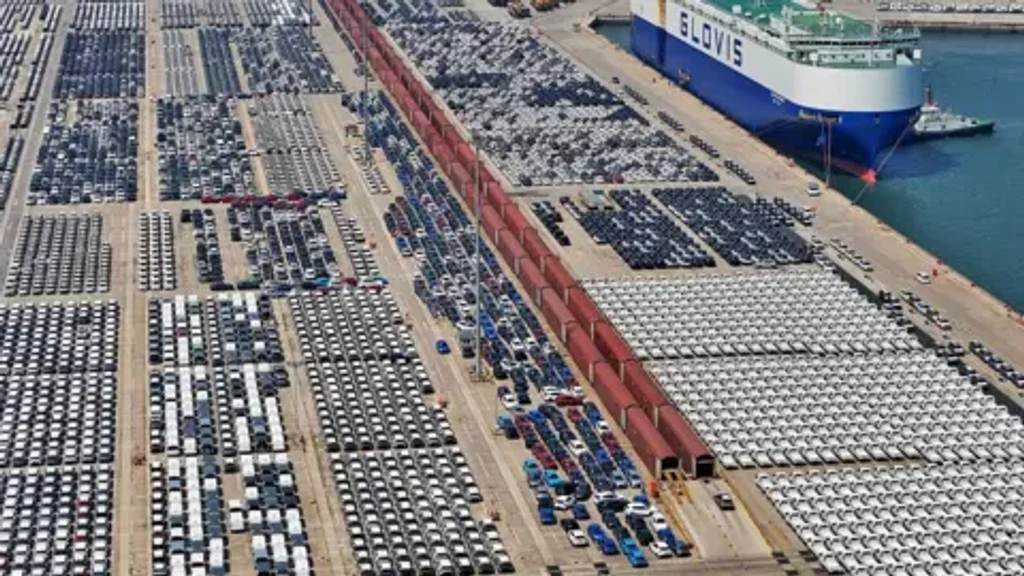
China exports about seven million cars annually, nearly half EVs. Brands like BYD, Chery, and SAIC push into Europe despite tariffs up to 45%. Tariffs over 100% have locked Chinese brands out of the US. Experts warn the industry's center of gravity has shifted: companies that collaborate have a chance, while those trying to stop China's rise risk falling behind.