WHO Director-General Tedros Adhanom Ghebreyesus is traveling to the Democratic Republic of Congo Thursday, where the third-largest Ebola outbreak on record is outpacing the global response. The rare Bundibugyo strain has no approved vaccine or treatment.
Health authorities in the DRC and neighboring countries are scrambling to contain the spread. The response hinges on identifying and isolating cases, but officials say the effort is weeks, if not months, behind schedule. The WHO has declared a public health emergency of international concern.
"16 times this country has defeated Ebola. The 17th will be no different. But we must act now, together," Tedros said on X.
Tedros is expected to travel to Ituri province, where the first cases were reported and the virus has been circulating for weeks. Doctors there face shortages of supplies and attacks on facilities fueled by denial of the disease among some residents.
According to the latest WHO figures, there have been 1,077 suspected cases, 121 confirmed, 246 suspected deaths, and 17 confirmed fatalities. Health experts warn the true numbers are likely higher.
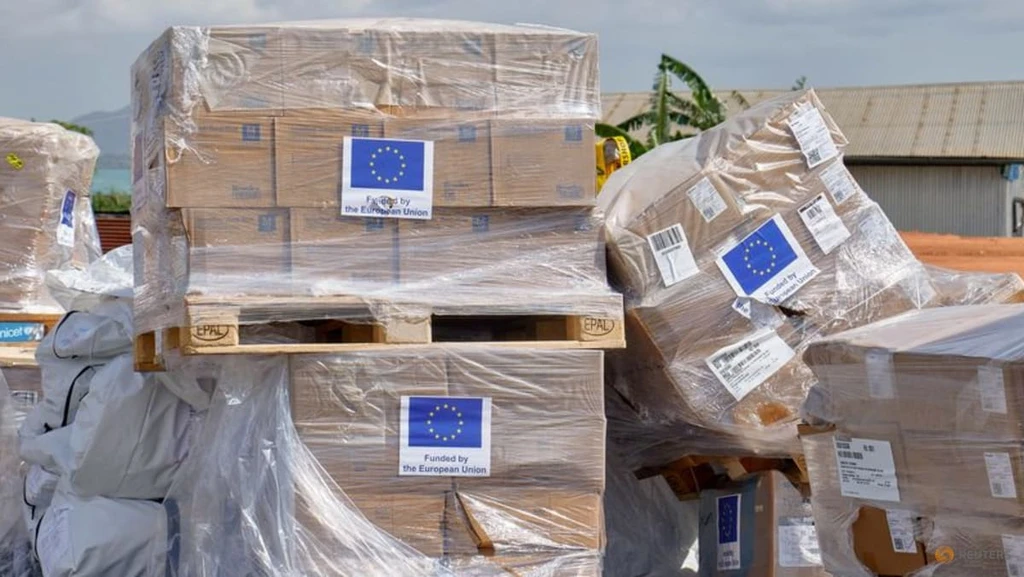
The WHO is scaling up testing with the DRC's national medical research organization. The UN peacekeeping mission MONUSCO shipped nearly five tonnes of medical cargo to Ituri Thursday. However, humanitarian officials say restrictions on flights in and out of Bunia, the provincial capital, are hampering operations.
The Congolese government did not respond to a request for comment on flight restrictions.
In response to the outbreak, the United States has temporarily banned entry for green card holders who have been in the DRC, Uganda, or South Sudan in the previous 21 days. The U.S. is reportedly asking Kenya to host a quarantine facility for exposed American citizens.
Eastern Congo is awash with armed groups, including the M23 rebels in North and South Kivu. Tedros has called for a ceasefire, warning that ongoing fighting is driving mass displacement and spreading the virus in overcrowded camps.