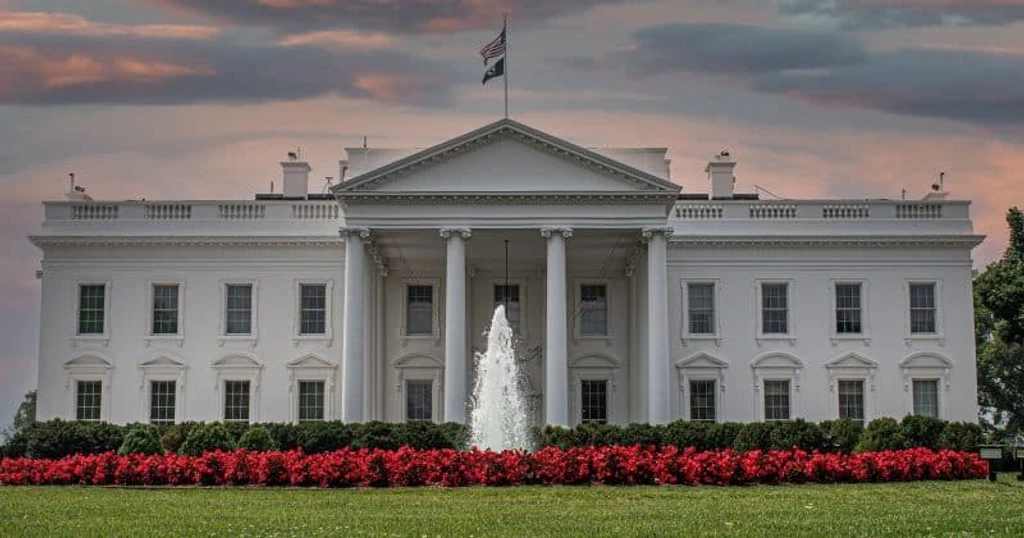
The White House is betting that a freshly inked interim deal with Iran can resolve a global energy crisis that has rattled markets since late February. The agreement, electronically signed around June 13-15, focuses on reopening the Strait of Hormuz, a vital chokepoint for roughly one-fifth of daily global oil supply.
The crisis began February 28, when US and Israeli strikes targeted Iran. Tehran retaliated by blocking the Strait, severely constricting energy markets. A subsequent US pressure campaign included seizing roughly $1 billion in crypto assets linked to Iran.
Mediation by Pakistan and Qatar paved the way for the interim pact, negotiated under the shadow of US threats against Iranian infrastructure. Vice President JD Vance called the deal a breakthrough for regional security and global energy.
Bitcoin reacted by climbing above $64,000, reaching a two-week high near $65,500 in mid-June. Conversely, the prospect of reopened shipping lanes sent crude oil prices lower.
Experts caution that full normalization of shipping could still take weeks or months. The seized Iranian crypto assets also serve as a stark reminder of growing government proficiency in tracking and confiscating digital currencies used to circumvent sanctions, an area of continued scrutiny for privacy tokens and decentralized exchanges.