Aid shipments are resuming from Dubai after Iranian attacks disrupted Gulf logistics, according to Robert Blanchard of the WHO Emergency Operations Team. Airlines are now operating at 50-60% capacity, with charter flights and a Gaza-bound convoy helping deliver critical medical supplies.
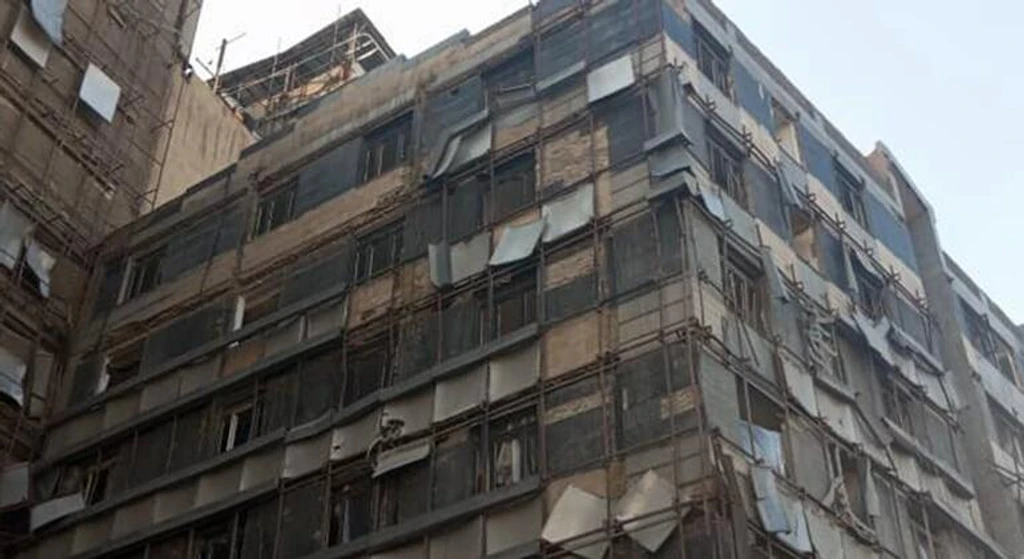
In Iran, humanitarian conditions are deteriorating rapidly. Tehran feels “completely empty,” says Maria Martinez of the International Federation of Red Cross and Red Crescent Societies. Southern cities face water and power cuts, and a nationwide internet blackout has persisted since February 28. IFRC responders have unearthed their own relatives from rubble-highlighting the personal toll on aid workers.
WHO reports 21 attacks on health facilities in Iran since the war began. Seventeen Red Crescent centers and nearly 100 ambulances have been damaged or destroyed. “These are not just vehicles. They are often the only hope people have when the bombs fall,” Martinez said.
In Lebanon, intensified Israeli strikes on Hezbollah-linked targets offer civilians little warning. A recent attack in central Beirut came with less than an hour’s notice; another struck near shelters with none at all. UN officials confirm there is “no safe space” in Beirut or the south.
Over one million Lebanese have fled their homes in weeks. Women and children are making desperate nighttime escapes, losing livelihoods and security. The Israeli military’s destruction of southern bridges has cut off over 150,000 people, severely limiting humanitarian access despite ongoing relief efforts.