
The Houthis, Iran-aligned Yemeni rebels, have opened a new front in the ongoing conflict with Israel by launching their first attacks on Israeli targets. While the strikes were limited, they signal a potential escalation that could disrupt shipping through the Red Sea, a critical route for global trade and energy supply chains.
Who Are the Houthis?
The Houthis are an armed movement controlling much of Yemen, including its capital Sanaa. They are designated as terrorists by the US and EU and have a history of attacking targets beyond Yemen, often supported by Iran. Their recent actions against Israel mark a significant shift in the regional dynamics.
Potential Impact
From their mountainous positions above the Red Sea, the Houthis can disrupt one of the world's busiest shipping corridors using drones and missiles. This could force ships to reroute around the Cape of Good Hope, driving up costs and delaying deliveries. Analysts warn that such disruptions could lead to higher oil prices, estimated at $5 to $10 per barrel if the Bab el-Mandeb strait is closed.
Why Now?
The Houthis' decision to join the conflict reflects their ties to Iran, which has long backed them. By striking Israel, they aim to demonstrate support for Iran while avoiding immediate escalation with the US or Saudi Arabia. Their focus remains on the Palestinian cause, analysts say.
What’s Next?
The Houthis appear to be testing the limits of escalation, carefully balancing their involvement. Any disruption to the Red Sea would squeeze global energy flows, especially with the Strait of Hormuz already constrained. This could prompt retaliatory measures from Saudi Arabia, complicating the region's fragile stability.
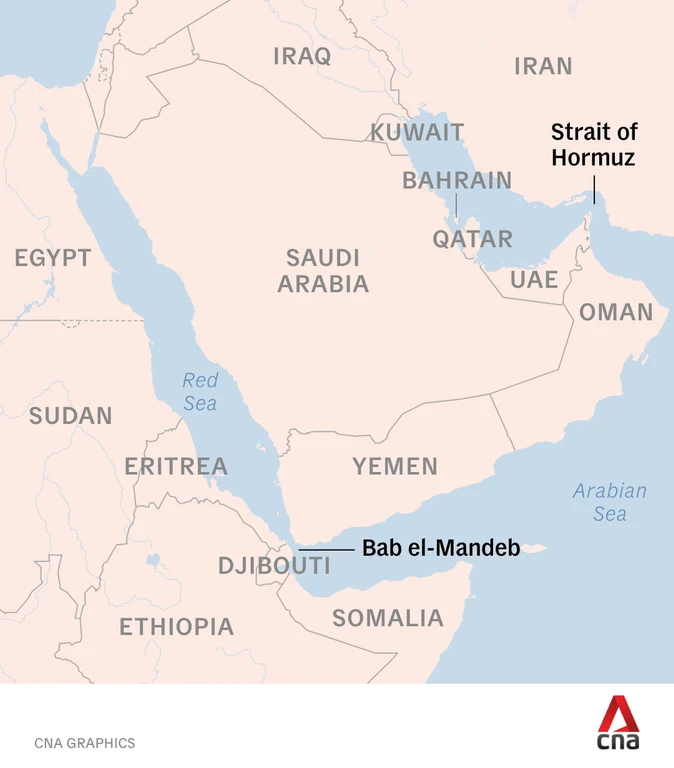
Key Players:
- Houthis: Iran-aligned Yemeni rebels.
- Iran: Backing the Houthis.
- Saudi Arabia: Relying on the Red Sea for crude transport.
- Israel: Target of Houthi attacks.
Locations:
- Red Sea: Crucial shipping corridor.
- Bab el-Mandeb Strait: Gateway to the Suez Canal.
- Strait of Hormuz: Already constrained.
Economic Impact: Higher freight costs, shipping delays, and potential spikes in oil prices.