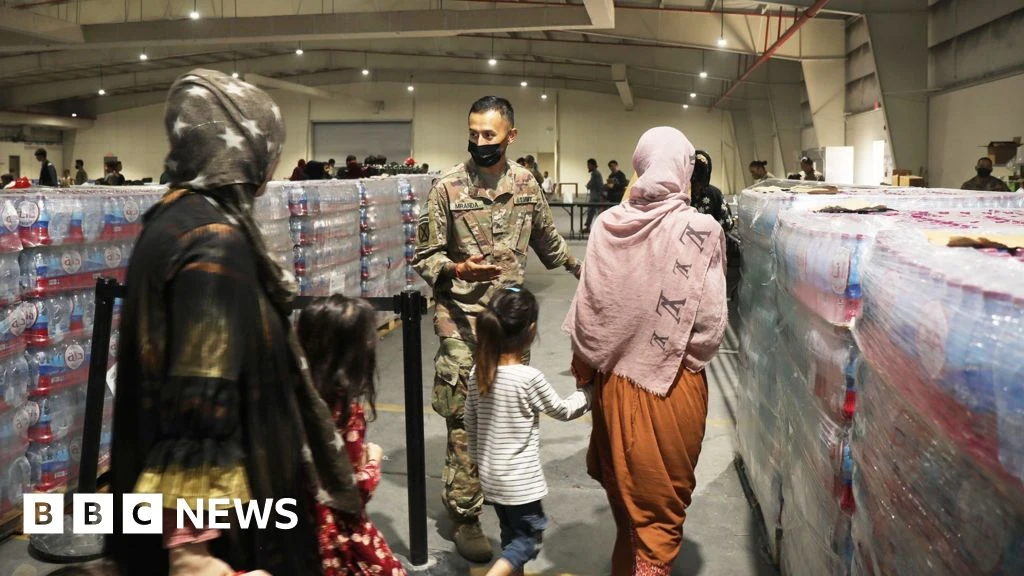
For 18 months, Alia has waited at Camp As-Sayliyah in Qatar for the U.S. resettlement she was promised after fleeing Afghanistan. Now, hundreds like her face an uncertain future.
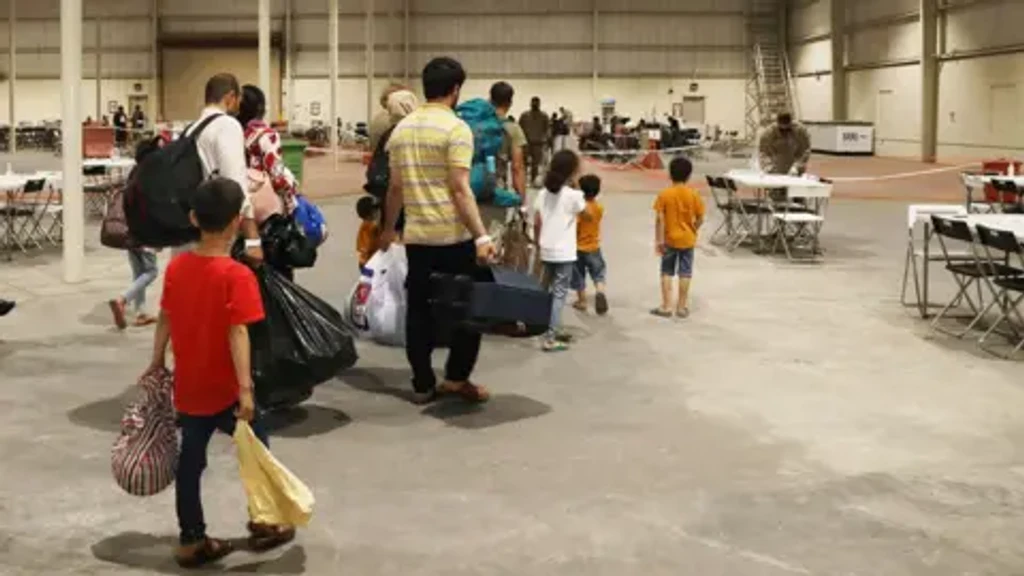
Alia, a former Afghan lawyer who defended women against abusive husbands, says returning home means death. Many of those she prosecuted now hold power under the Taliban regime.
The Trump administration halted Afghan admissions and ordered the closure of the Doha transit camp by March 31. No alternative destination has been confirmed.
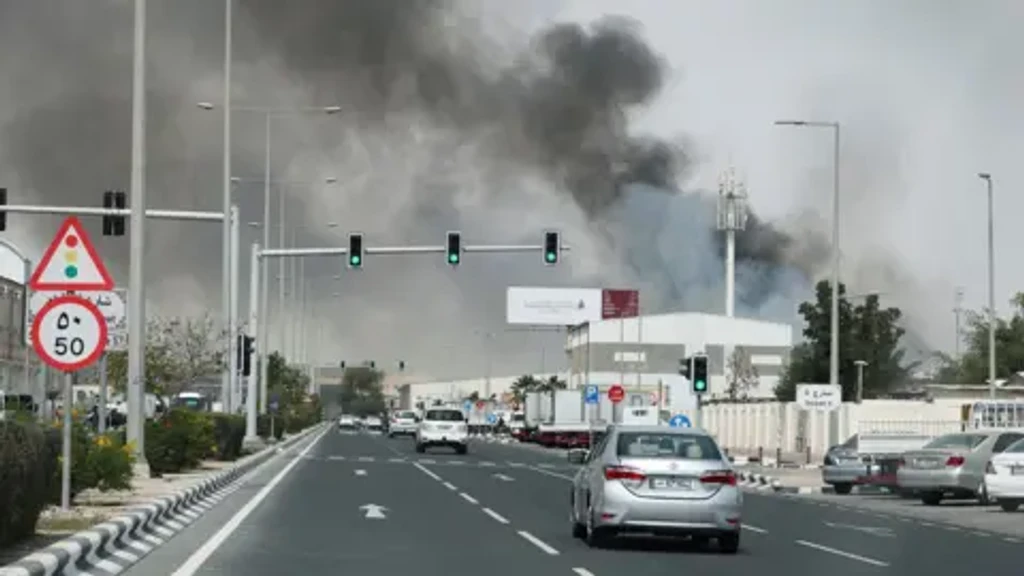
Camp As-Sayliyah lies near Al-Udeid Air Base, a repeated target in recent Iranian attacks. Evacuees say they feel hunted-neither safe in Qatar nor welcome in America.
Latif, another evacuee who worked at a U.S. base for 14 years, said: "I am under so much stress it's made me ill. This is not human rights."
The State Department claims it won’t forcibly return evacuees but admits some returned voluntarily-reportedly paid up to $4,500 per family head. Critics call this compensation inadequate and ethically fraught.
Shawn VanDiver, head of AfghanEvac, said: "These were allies vetted over two decades. If we abandon them, how can any future partner trust us?"
Most evacuees remain in limbo. The U.S. says it’s negotiating with third countries, but offers no timeline or destinations.